
Introduction
As we step into 2024, the global landscape is once again marked by geopolitical tensions, with conflicts in Ukraine and Israel taking center stage. Economically, the rivalry between China and the U.S. continues to loom large. However, as discussed in my last letter America, despite these challenges, one aspect remains clear: the resilience and strength of the American economy.
As noted by Barron's Andy Serwer, history has shown that the U.S. economy has weathered various storms, including geopolitical crises. Following the terrorist attacks of 9/11, for instance, the S&P 500 initially fell by 12% but recovered its losses within a month.
“Looking back at 25 significant geopolitical events since World War II, the S&P 500 dropped on average by around 4%, bottomed out in 15 days, and recovered within 33 days. [Source: Barron's Article ]”
This resilience underscores the fundamental strength of the U.S. economy. Despite the current challenges and the prevailing anti-China sentiment in American politics, the U.S. economy continues to demonstrate its ability to endure and recover from geopolitical turmoil. As we navigate the complexities of the global landscape, it is this resilience that provides a beacon of hope and confidence in the future of American dominance.
Thus, I am going to continue the theme of U.S. dominance for this letter. However, there is one risk that few people are discussing, that is the danger of interest rates not coming down. The economy is humming along, and if inflation stays stubborn, there is a threat of rates moving higher.
15 Years Later - A Lesson from The Global Financial Crisis
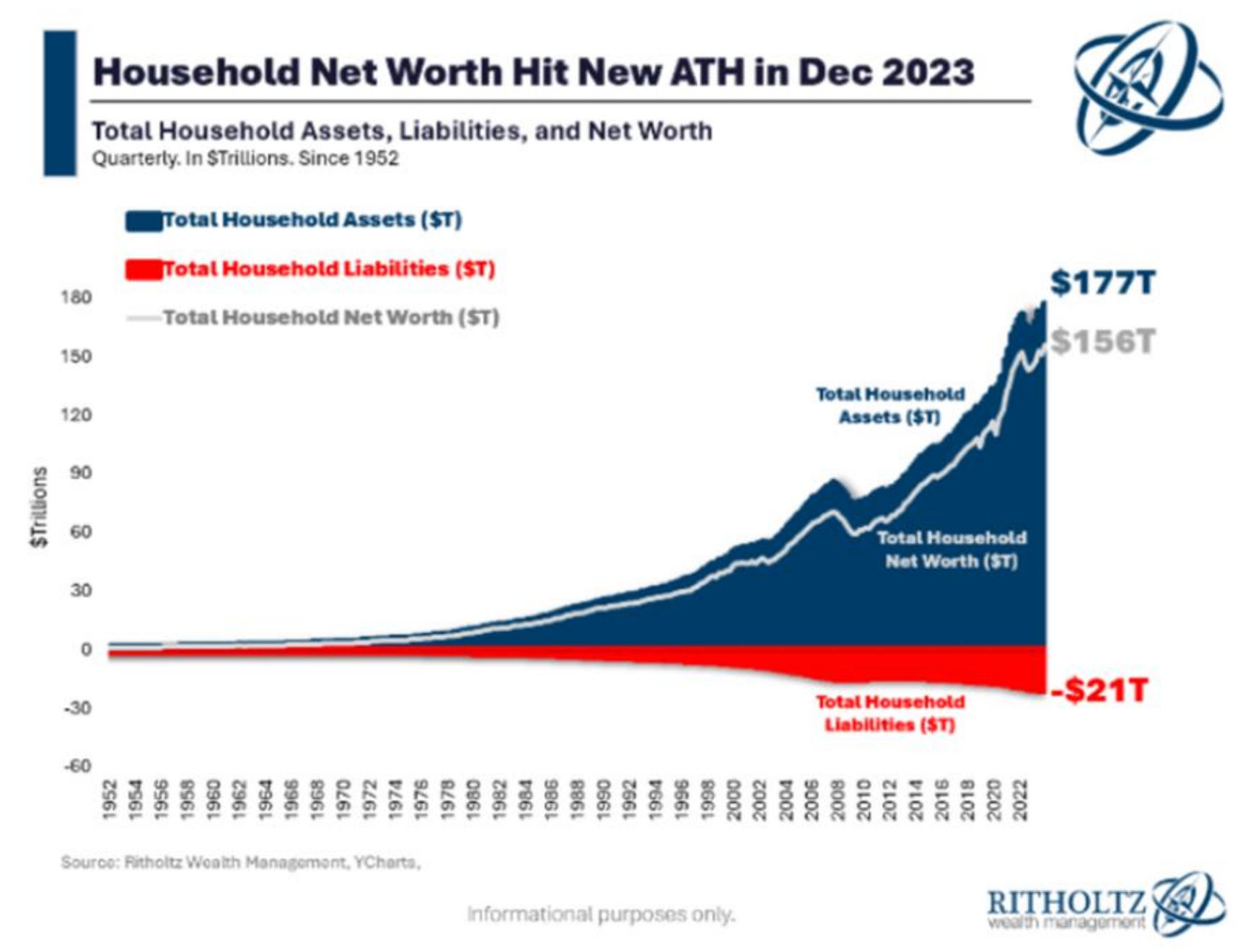
As we reflect on the 15th anniversary of the 2008 Global Financial Crisis, we find ourselves amidst a stock market that has reached new heights. For those who have invested wisely, congrats. This period has likely resulted in a significant increase to your stock portfolio, potentially quadrupling or quintupling since the depths of the great financial crisis. This remarkable growth is a testament to the resilience and dynamism of the American economy.
Stock Returns vs. Bonds/Cash 2007 Crisis Lows to Today

R.O.C.K. In The U.S.A. (A Salute To 60's Rock)
Song by John Mellencamp
They come from the cities
They come from the smaller towns
And beat up cars with guitars and drummers
Goin' crack boom bam
R O C K in the U.S.A.
R O C K in the U.S.A.
R O C K in the U.S.A., yeah
Rockin' in the U.S.A.
These probabilistic return assumptions depend on current market conditions and, as such, may change over time.
IMPORTANT: The projections and other information generated by the Vanguard Capital Markets Model regarding the likelihood of various investment outcomes are hypothetical in nature, do not reflect actual investment results, and are not guarantees of future results. Distribution of return outcomes from the VCMM are derived from 10,000 simulations for each modeled asset class. Simulations are as of March 31, 2019. Results from the model may vary with each use and over time.
The Back to the Office 5 Days a Week Crowd Surrenders
On December 7th, 1999, Barron’s published the infamous “What’s Wrong,Warren” cover eerily before the Nasdaq crashed 50% and Berkshire recovered years’ worth of underperformance.
The below graph plots the time period 6/30/98 through 2/29/00 for the Nasdaq where many dot-com and technology stocks traded, and the price of Berkshire Hathaway, Warren Buffett’s holding company, which consisted of value stocks:
https://kailashconcepts.com/ Kailash Concepts
Was the Nasdaq 100 20% rally in the first quarter a repeat of the above or a new bull market in tech? A big portion of the answer will come from the direction of interest rates. The Fed came in like a hurricane upending markets across the world, but we have not begun to feel the effects of higher interest rates working their way across the system. As rates settle into a new range, it will have a profound effect on new business initiatives going forward and be exacerbated by the recent regional bank speed bump that will reduce lending to small business owners. Below are Vanguard’s projected 10-year returns that I include at the end of every letter. The interesting data point is treasuries and high-quality corporate bonds have higher projected returns than growth stocks at one-quarter of the volatility.
Like Neil Young says “I want to love you but I’m getting blown away.”
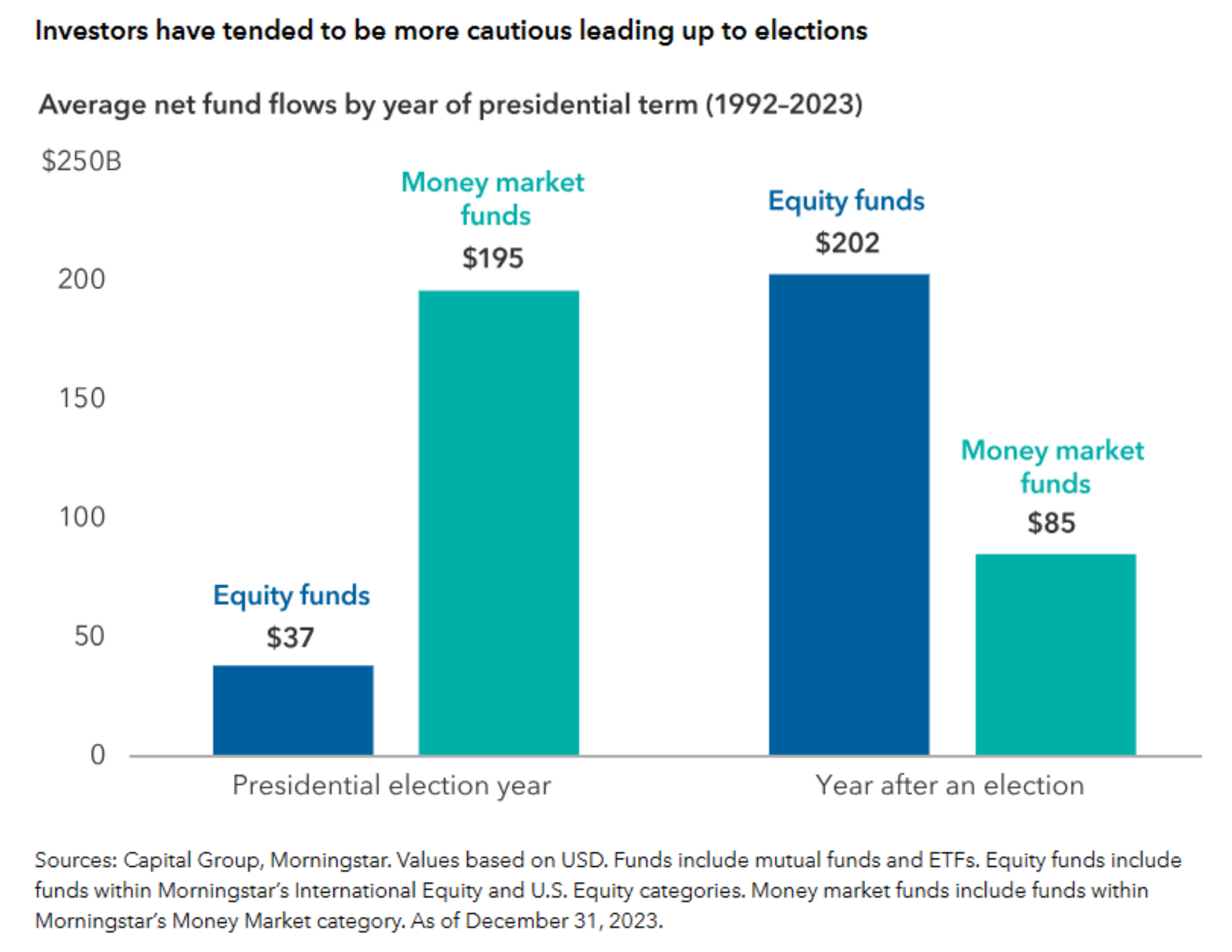
The $6 trillion in cash held in money market funds becomes even more intriguing when considering the historical behavior of American investors during presidential election years. As illustrated in the chart from Capital Group, investors tend to hoard safe assets during election years, only to shift their funds into the market once the election is concluded. If history is any indication, or even if it merely rhymes, we could see a significant influx of cash into the equity market in the coming year.
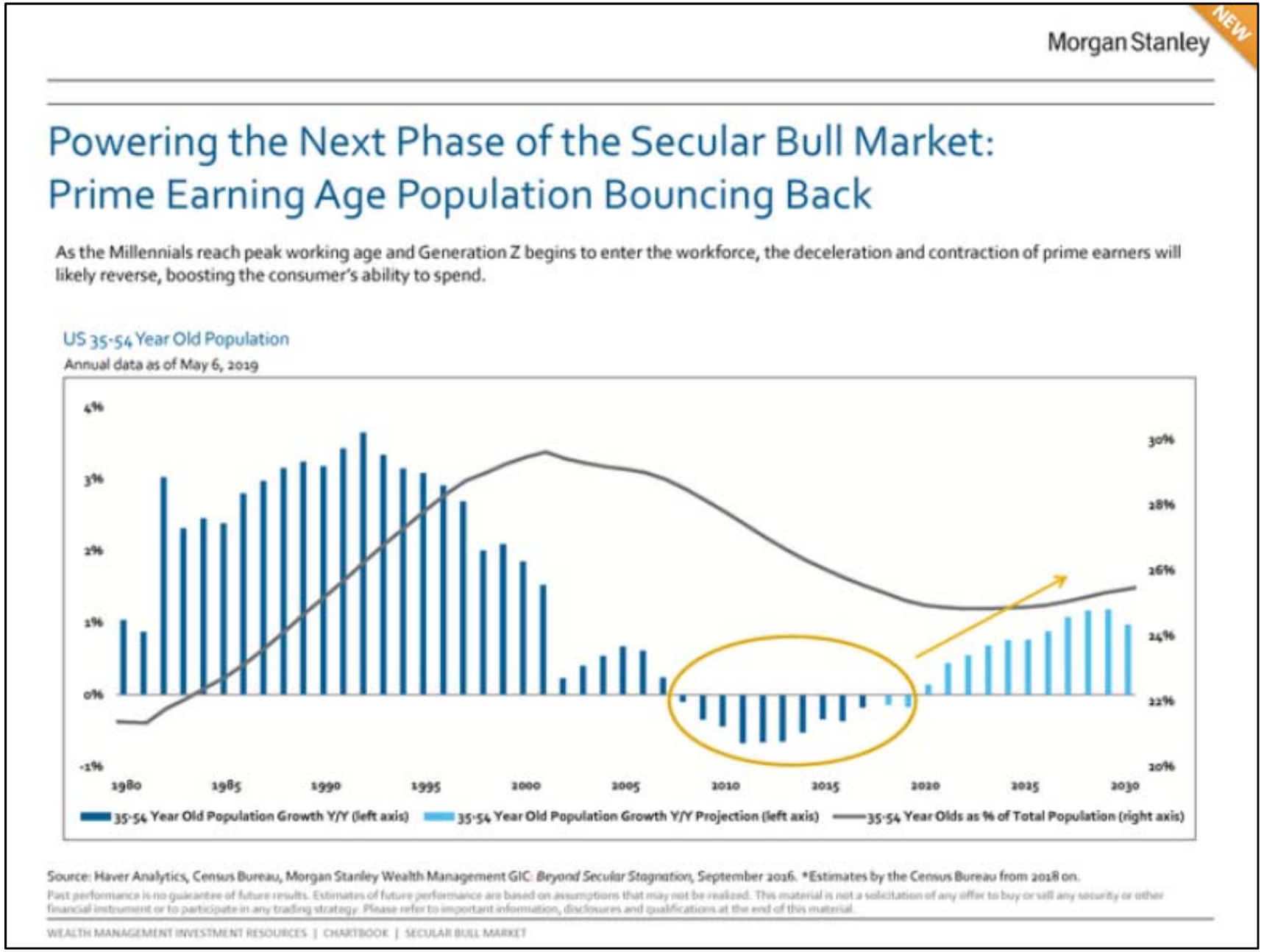
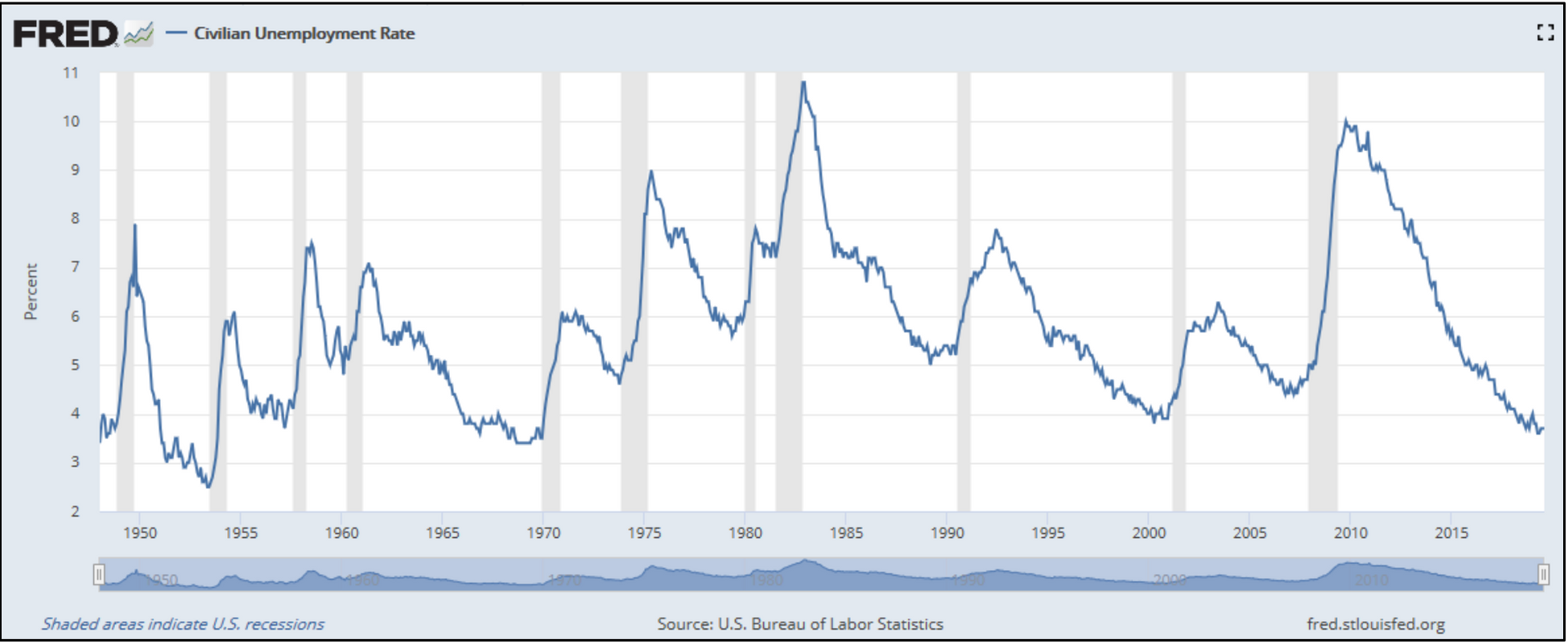
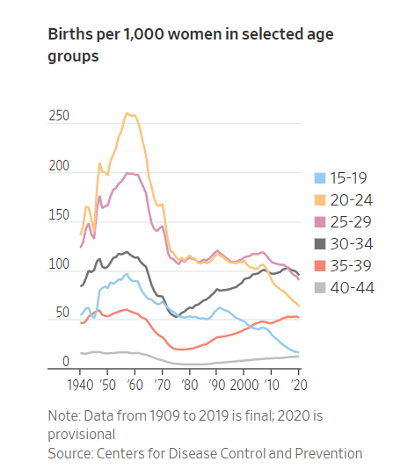
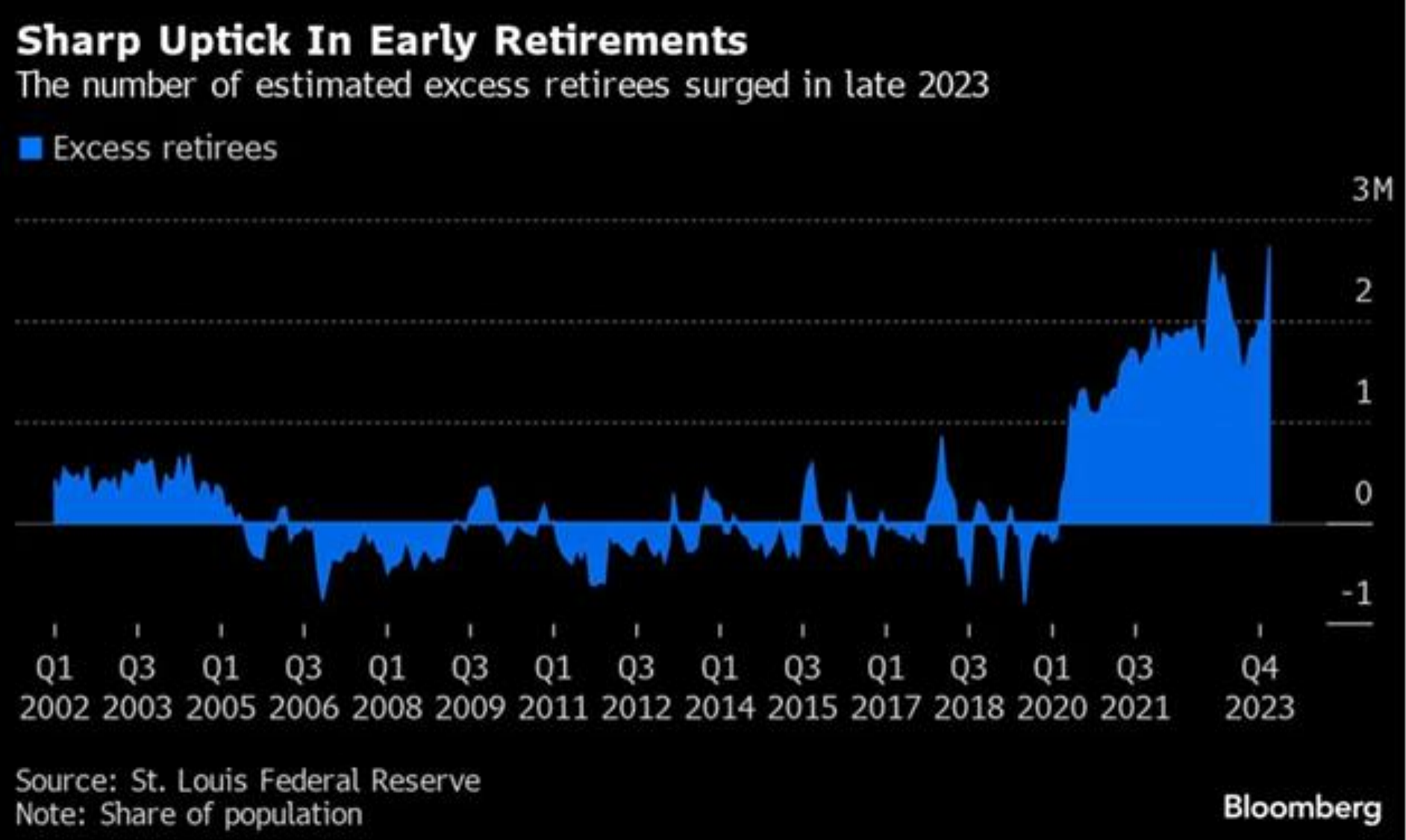
These statistics paint a complex picture and leave me feeling financially bi-polar. On the one hand, the data is bullish for markets, indicating a strong performance trend. On the other hand, it raises concerns about the human condition, particularly the risk of generational work apathy that could potentially plague the country.
A significant portion of the population may not need to work in the future, thanks to advancements in technology and the changing nature of work. However, there is a cautionary tale in the realm of wealth preservation. It is estimated that 70% of wealthy families will lose their wealth by the second generation, and a staggering 90% by the third generation, a phenomenon known as the three-generation curse of wealth.
As we consider the implications of these trends, it raises questions about how many baby boomer families will develop a clear plan of direction. Despite these challenges, my faith remains high that new wealth will emerge to replace retired baby boomers, driven by American ingenuity and hard work. This transition is already beginning, as you will see later in this letter.
Part II: Stocks are Expensive but Not Bubble
The current market environment presents several risks, including being in the 90th percentile on valuation, the concentration risk posed by the "magnificent four" companies, and uncertainties in the office market. Despite these challenges, the past three years, which included the Covid pandemic, the 2022 stock/bond crash, and the subsequent Magnificent 7 stock rally, have highlighted the importance of strategies such as buy-and-hold, diversification, and dollar-cost averaging.
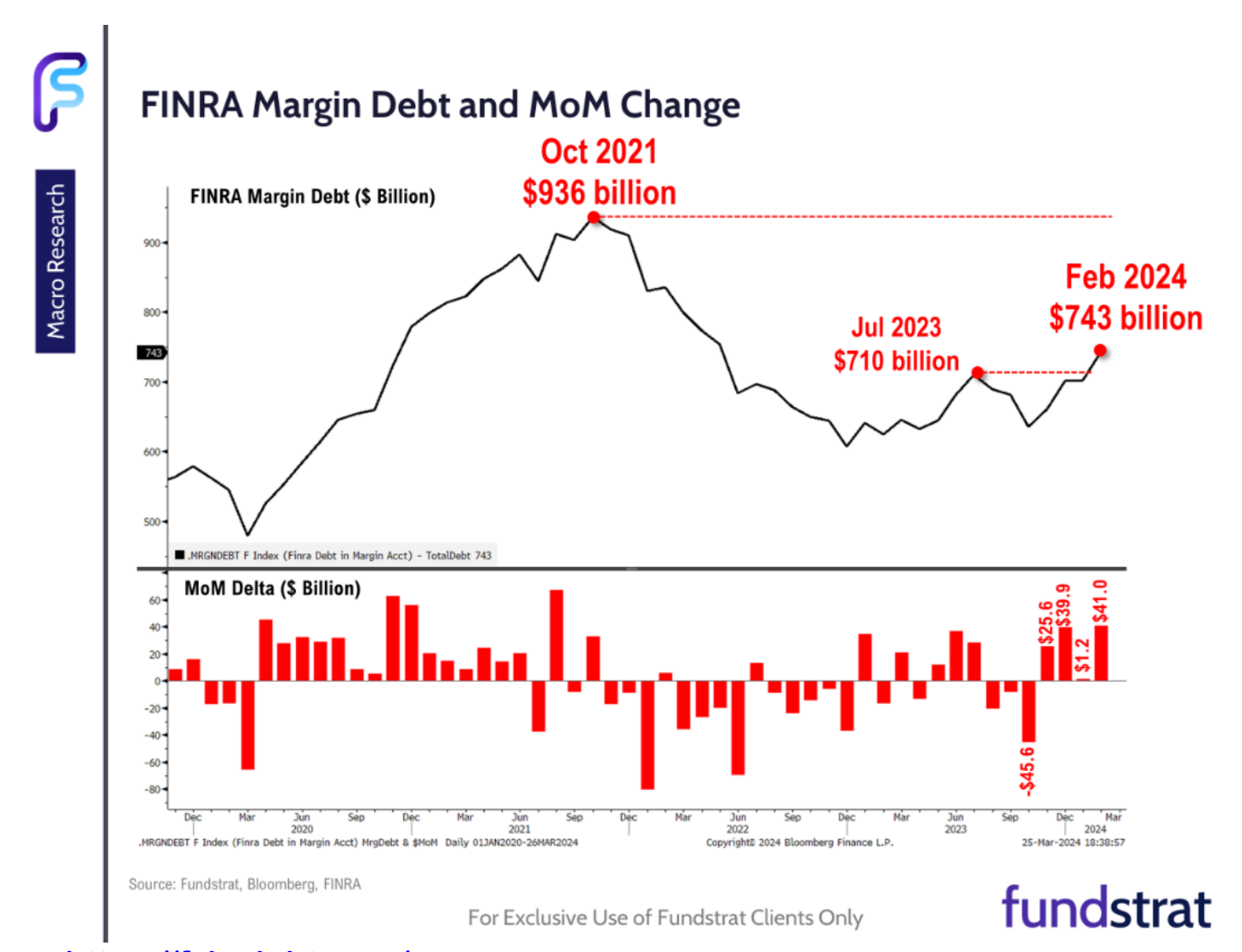
While concerns about a market bubble are reemerging, there are indicators that suggest otherwise. Margin debt, for instance, rose in February but remains "well below" October 2021 levels, according to Tom Lee of Fundstrat. Additionally, there is approximately $6 trillion in cash on the sidelines, and investor sentiment has not reached levels of over exuberance.
It's important to note that bubbles are often characterized by hefty leverage, which is not currently the case in the U.S. markets.
https://fsinsight.com/
Another factor indicating that the current market situation may not be a traditional bubble is the growth of the U.S. money market, which has surpassed $6 trillion. This is a significant development, as traditionally, stock market bubbles are not accompanied by such massive amounts of cash on the sidelines.
In 2022, money market funds offered a 5% yield, which may have incentivized baby boomers and other investors to hold onto their cash rather than invest in stocks. This cautious approach suggests that, while there are concerns about market conditions, the presence of substantial cash reserves could help mitigate the risk of a stock market bubble.
US Industrial Renaissance: It’s a matter of national security (rbadvisors.com)
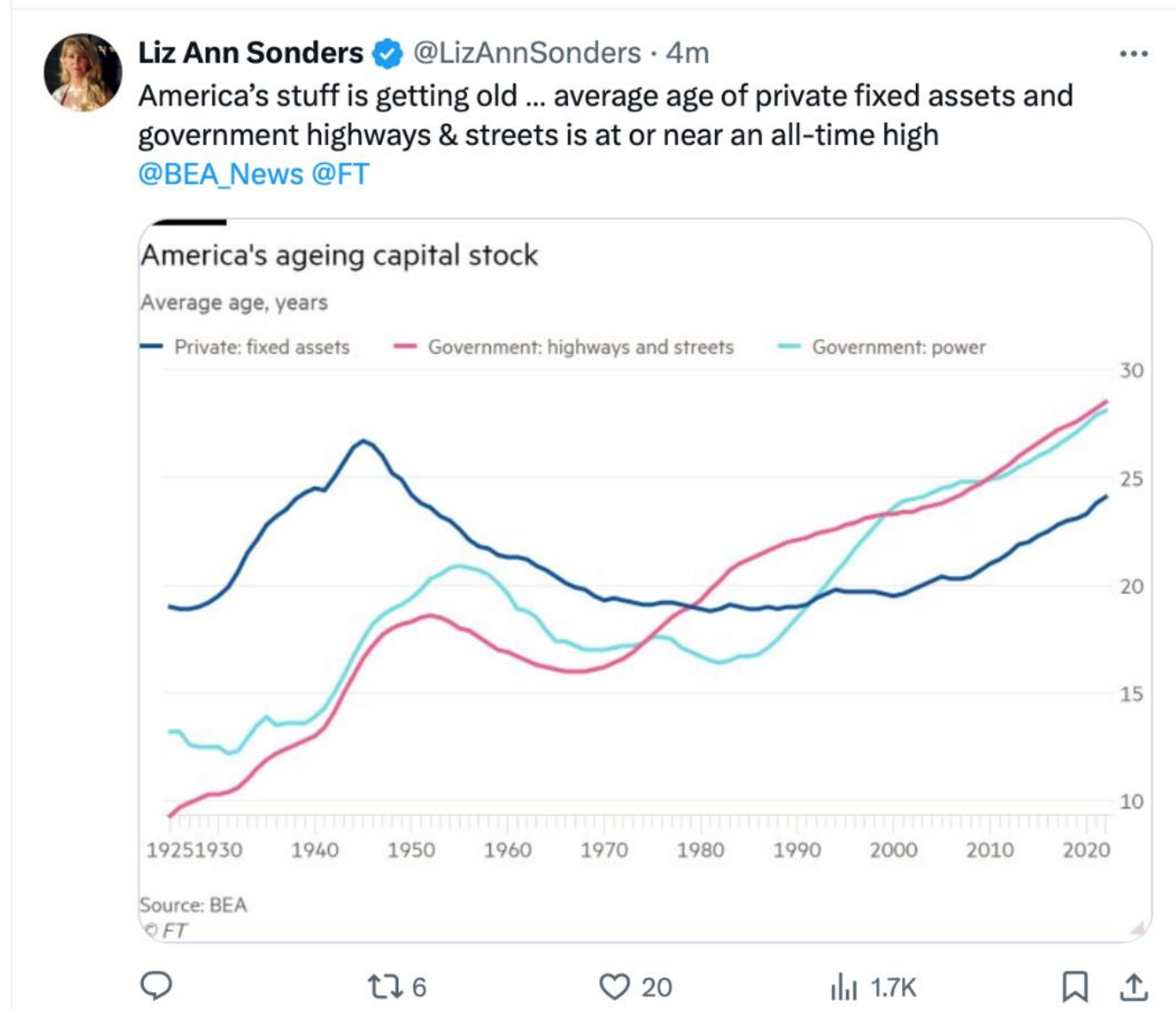
Government Highways and Streets are Old
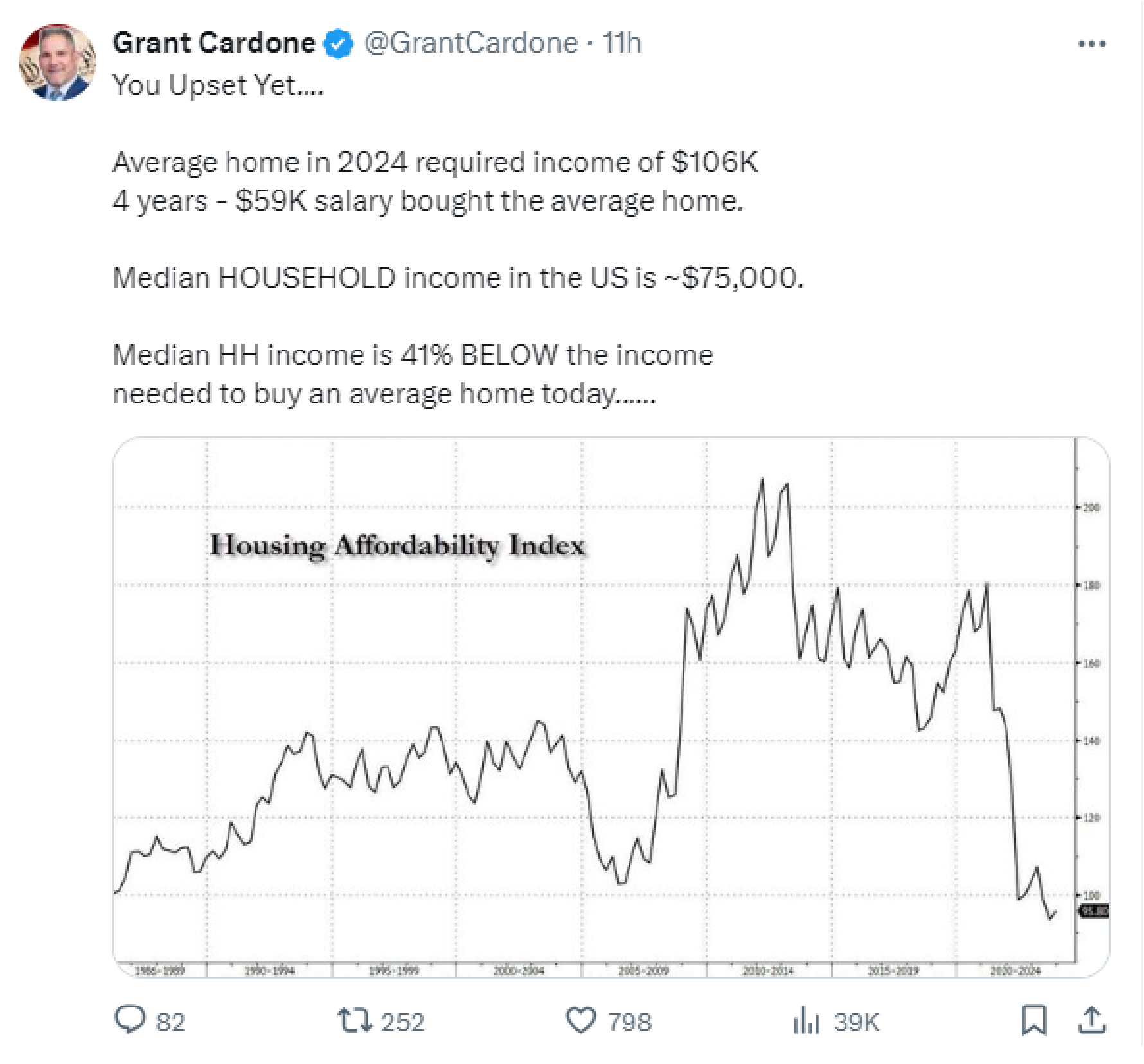
My last point regarding the government is a question for the Federal Reserve. With the market on the rise, low unemployment, and strong consumer spending, it's puzzling to hear the Fed talk about three potential interest rate cuts. One possible explanation could be the housing market, where the median household income is 41% below what's needed to buy a home. This imbalance is an unsustainable equation and may be a factor in the Fed’s decision.
Leveraged loans are up 50 percent since 2015
Leveraged loans, which are issued by overleveraged companies with insufficient cash flows, are part of what Wolf Richter recently called the “gigantic pile of risky corporate debt that is now being brutally repriced as concerns over credit risk (the risk of default) are finally bubbling to the surface.” According to Richter, the S&P/LSTA US Leveraged Loan 100 Index, which tracks the prices of the largest leveraged loans, has plunged by 20 percent since February 22nd.
According to Richter, leveraged loans “are traded in slices like securities or are packaged into highly rated Collateralized Loan Obligations (CLOs). But for years, investors had the hots for them, driven by their relentless chase for yield, in a world of interest rate repression.”
These companies, noted Richter, were often acquired by private equity firms through leveraged buyouts, which means they loaded up those companies with lots of debt. In addition, “PE firms extracted special dividends from their companies,” which were funded by leveraged loans. That’s a form of asset stripping and it leaves the company “more leveraged, more precarious and more likely to topple. But who cares? Those were the good times and the chase for yield was on,” lamented Richter.
Ben Carlson https://awealthofcommonsense.com/2024/03/are-we-living-in-the-roaring-20s/
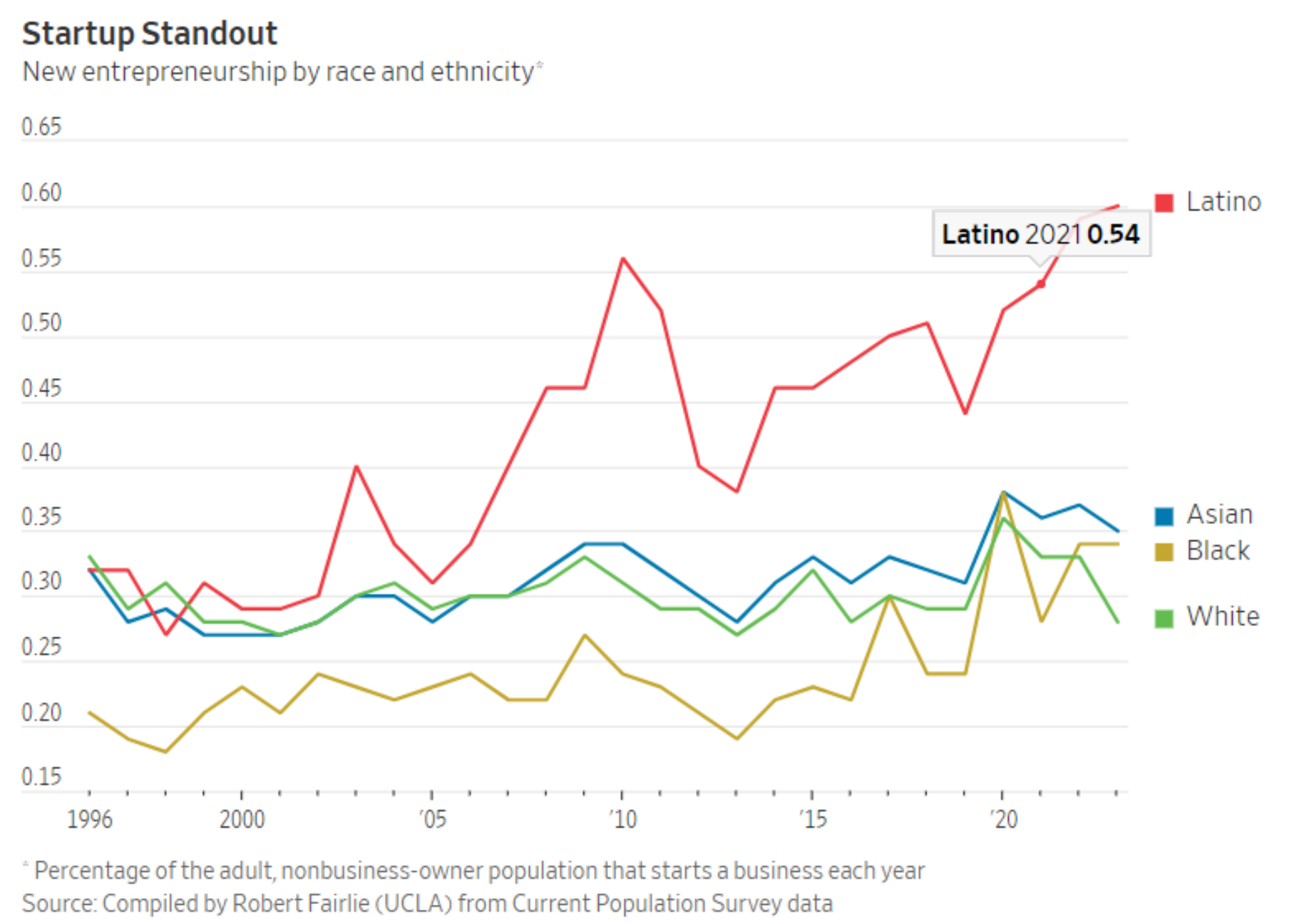
As mentioned earlier in this letter, I have boundless confidence in the next generation of American entrepreneurs to replace retiring baby boomers. A notable aspect of this confidence is the US’s notable reliance on immigrant business owners to launch new ventures and create jobs. As illustrated in the chart below, this trend is not in danger of ending, highlighting the continued vibrancy and dynamism of the American entrepreneurial spirit.
WSJ By Ruth Simon Latinos are Starting US Businesses at a Torrid Pace
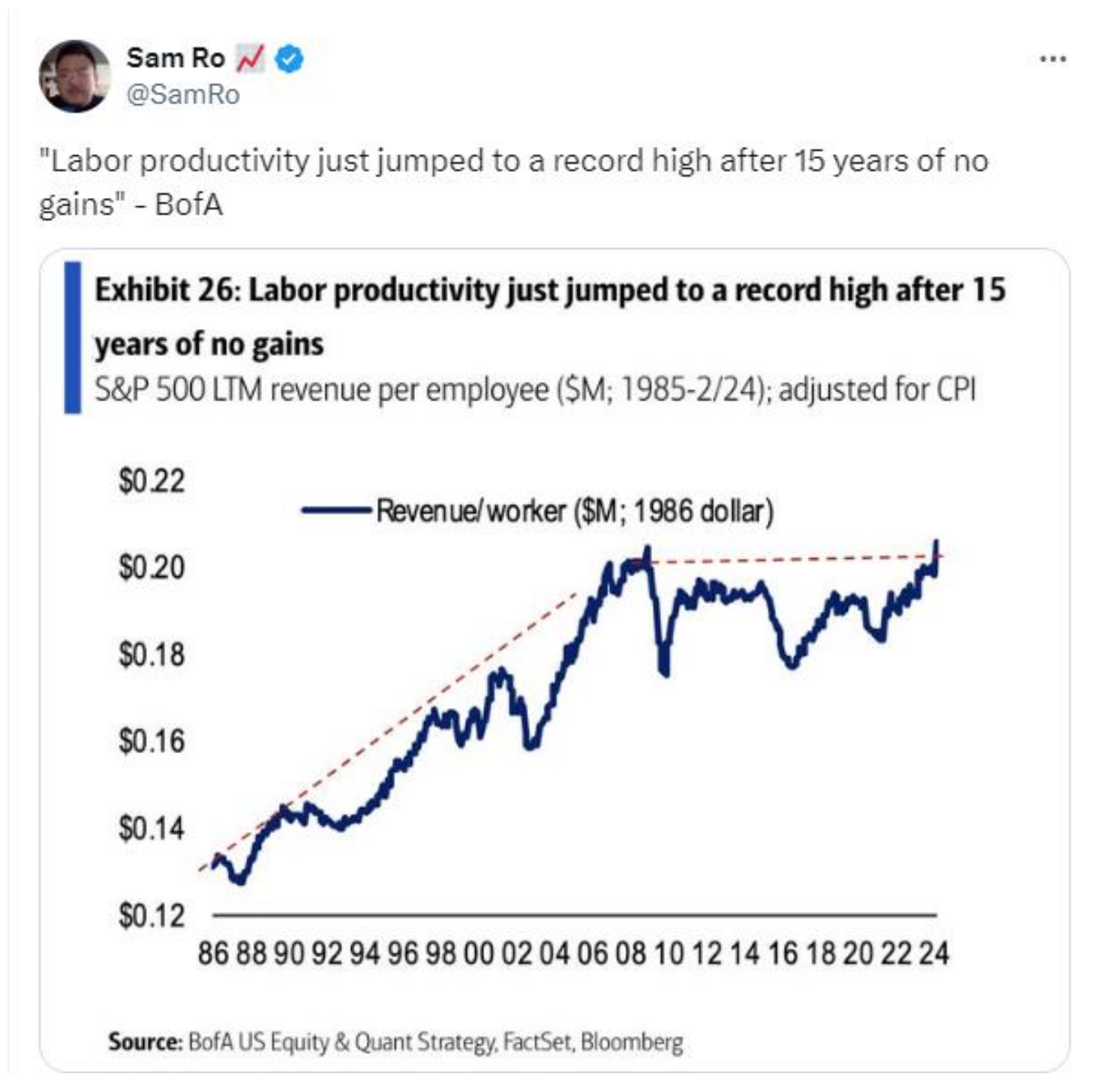
With record productivity, a surge in new business registrations, a low 3.9% unemployment rate, and minority-led startups leading the way, the notion of returning to full-time office work seems increasingly outdated.
R.I.P. Back-to-the-Office-Fulltime.
Part IV: Government Spending
The bi-partisan Infrastructure and Jobs Act, spanning over 2500 pages, authorizes a monumental $1.2 trillion for transportation and infrastructure spending, with $550 billion allocated to new investments and programs. This legislation follows an estimated $2.4 trillion injected into the economy during the Covid crisis.
Coupled with the $6 trillion in money markets, the potential $2-3 trillion from the infrastructure act, and a growing economy driving new highs in productivity and an AI boom, America finds itself in a unique position of abundance in both jobs and money.
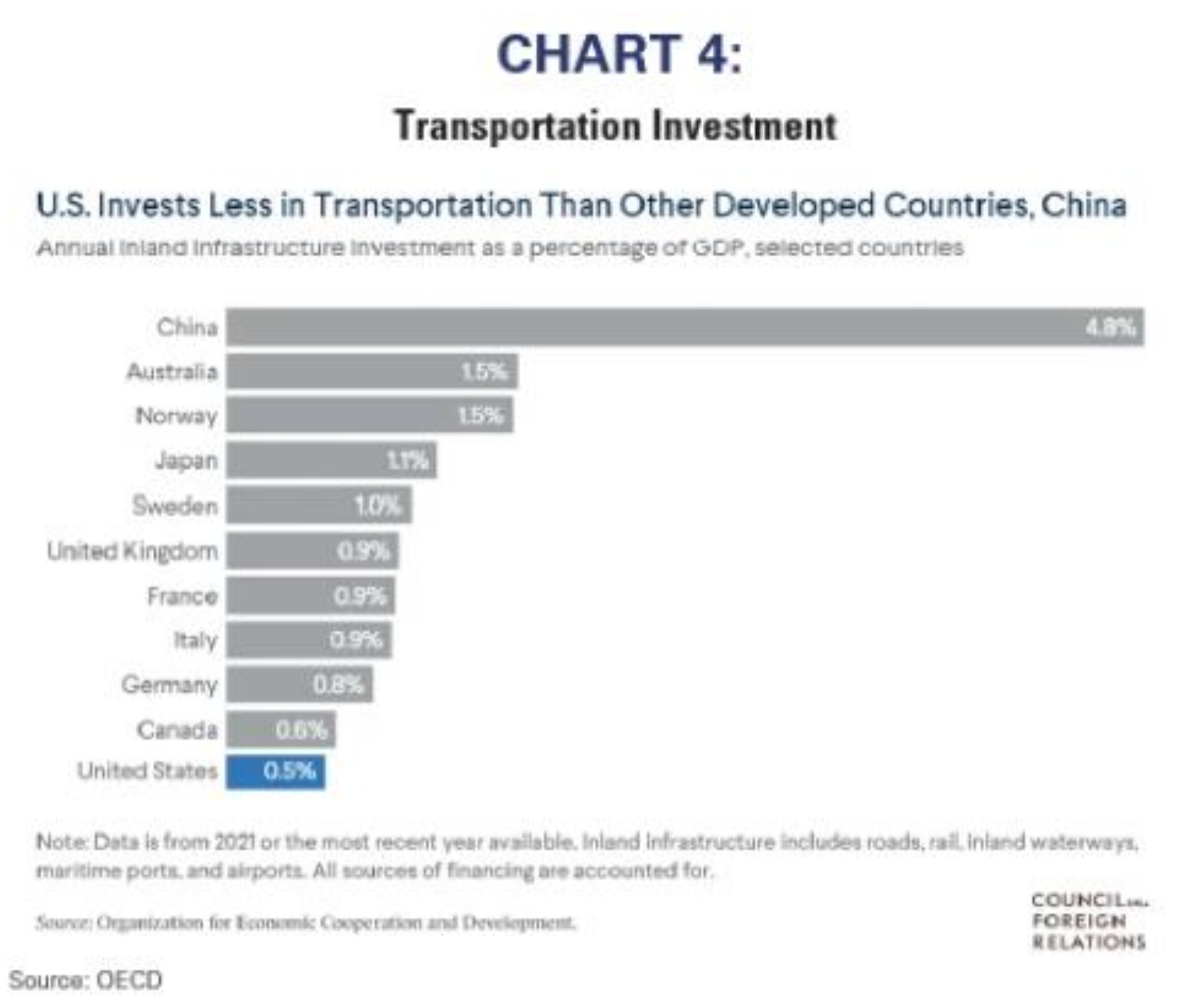
Despite this, the U.S. ranks at the bottom among large countries in transportation spending, even as our streets and highways near the 30-year mark. The need for infrastructure investment is clear, and the legislation marks a significant step toward addressing this critical issue.
U.S. Transportation Investments
RBA Advisors

Disclosures
Lansing Street Advisors, LLC is a registered investment advisor with the State of Pennsylvania. You can read more about the Lansing team at http://www.lansingadv.com/
To the extent that content includes references to securities, those references do not constitute an offer or solicitation to buy, sell or hold such security as information is provided for educational purposes only. Articles should not be considered investment advice and the information contained within should not be relied upon in assessing whether to invest in any securities or asset classes mentioned. Articles have been prepared without regard to the individual financial circumstances and objectives of persons who receive it. Securities discussed may not be suitable for all investors. Please keep in mind that a company’s past financial performance, including the performance of its share price, does not guarantee future results.
Material compiled by Lansing is based on publicly available data at the time of compilation. Lansing makes no warranties or representations of any kind relating to the accuracy, completeness or timeliness of the data and shall not have liability for any damages of any kind relating to the use of such data.
Material for market review represents an assessment of the market environment at a specific point in time and is not intended to be forecast of future events or guarantee of future results.
Indices that may be included herein are unmanaged indices and one cannot directly invest in an index. Index returns do not reflect the impact of any management fees, transaction costs or expenses. The index information included herein is for illustrative purposes only.
The trademarks and service marks contained herein are the property of their respective owners.
Lansing Street Advisors is a registered investment adviser. Information presented is for educational purposes only and does not intend to make an offer or solicitation for the sale or purchase of any specific securities, investments, or investment strategies. Investments involve risk and, unless otherwise stated, are not guaranteed. Be sure to first consult with a qualified financial adviser and/or tax professional before implementing any strategy discussed herein. Past performance is not indicative of future performance.
Lansing Street Advisors may discuss and display, charts, graphs, formulas which are not intended to be used by themselves to determine which securities to buy or sell, or when to buy or sell them. Such charts and graphs offer limited information and should not be used on their own to make investment decisions.

Part I: Baby Boomers and Abundance
https://www.nationalww2museum.org/war/articles/japanese-surrender-tokyo-bay-september-2-1945
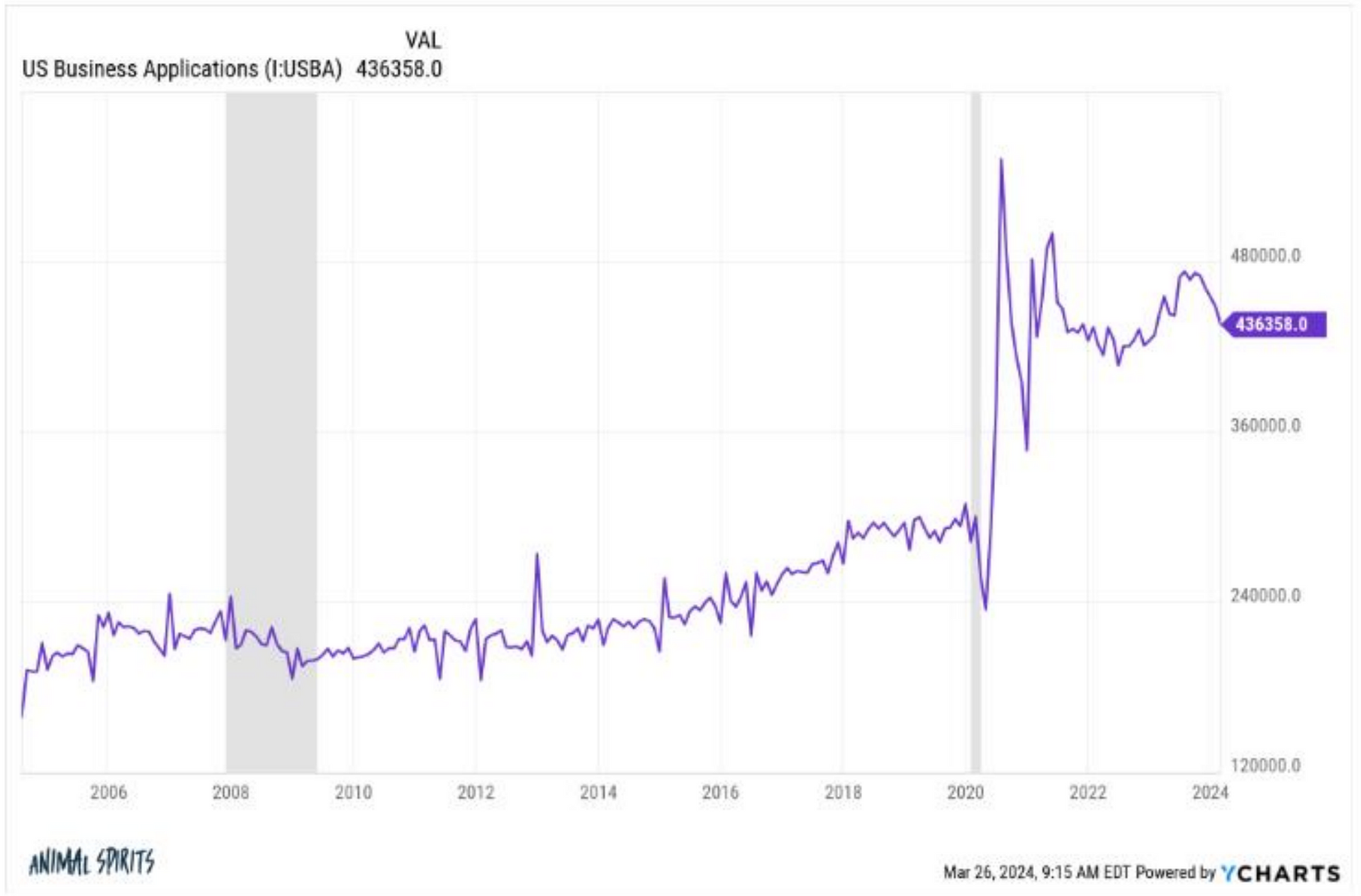
In addition to the recent 15-year breakout in productivity, the U.S. has experienced a record number of new small businesses launched in the wake of the Covid-19 pandemic. This surge in entrepreneurship reinforces the age-old adage that "the business of America is business."
Much like the jump in productivity after 15 years of stagnation, new business applications had remained relatively flat since the 2008 crisis. However, the post-pandemic period has unleashed an unprecedented entrepreneurial appetite for risk in the country, as evidenced by the surge in new business applications.
Applications for New Business Chart
From Callum Thomas Blog @Callum Thomas (Weekly S&P500 #ChartStorm)
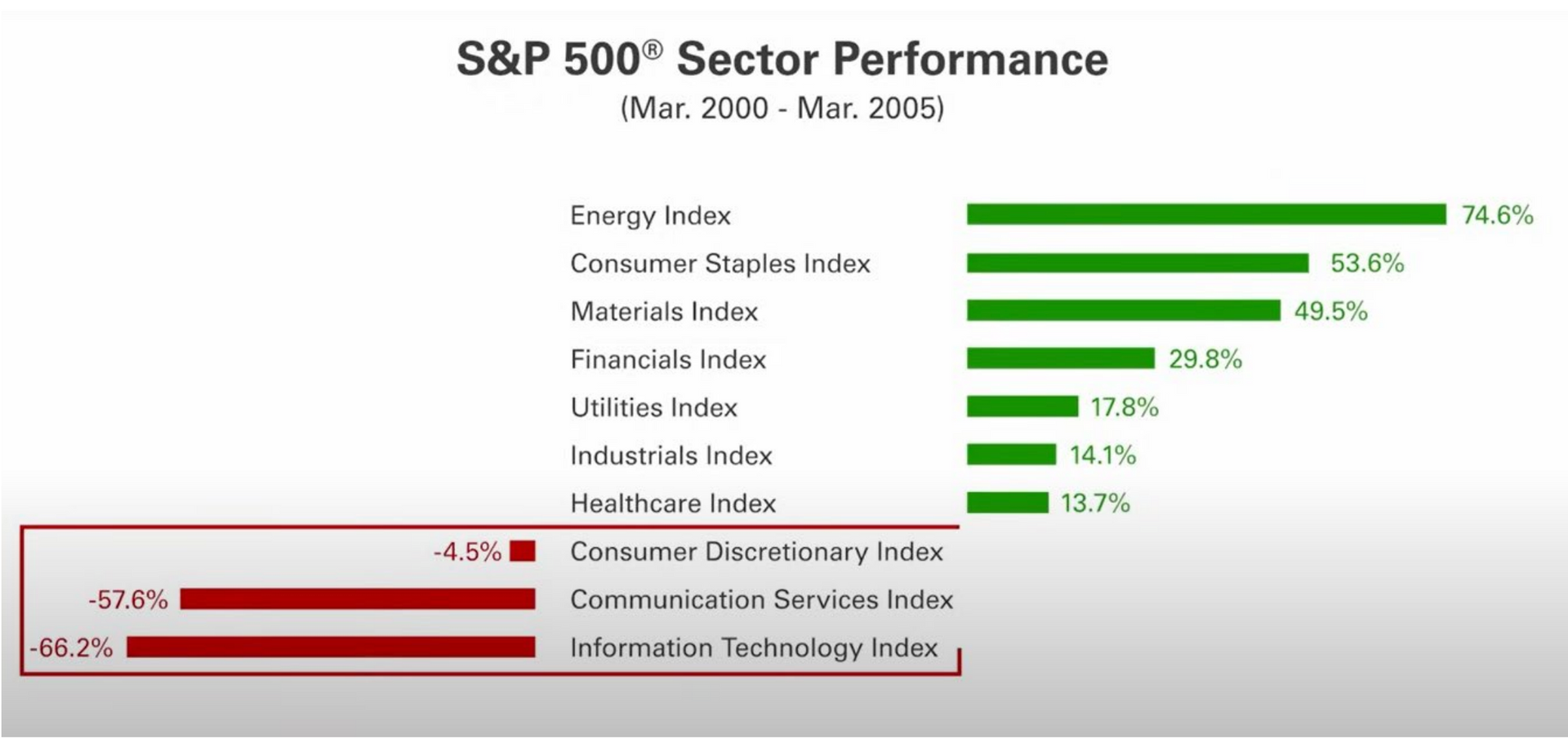
With substantial cash reserves, a cautiously optimistic investing public (as indicated by margin levels and positive election year seasonality), and most S&P sectors (excluding technology) trading near 25- year median valuations, the market appears to be in a unique position. Despite being expensive by historical standards, there are indications that investors are poised for continued growth.
Part III: The Back to the Office Surrender
Speaking of baby boomers, the over-50 crowd, myself included, who predicted that work-from-home (WFH) would not last are being proven incorrect. Labor productivity has recently reached new highs after 15 years of stagnation. This trend does not bode well for a swift return to the office environment, but it does underscore American leadership, as the U.S. boasts the highest productivity among major countries.

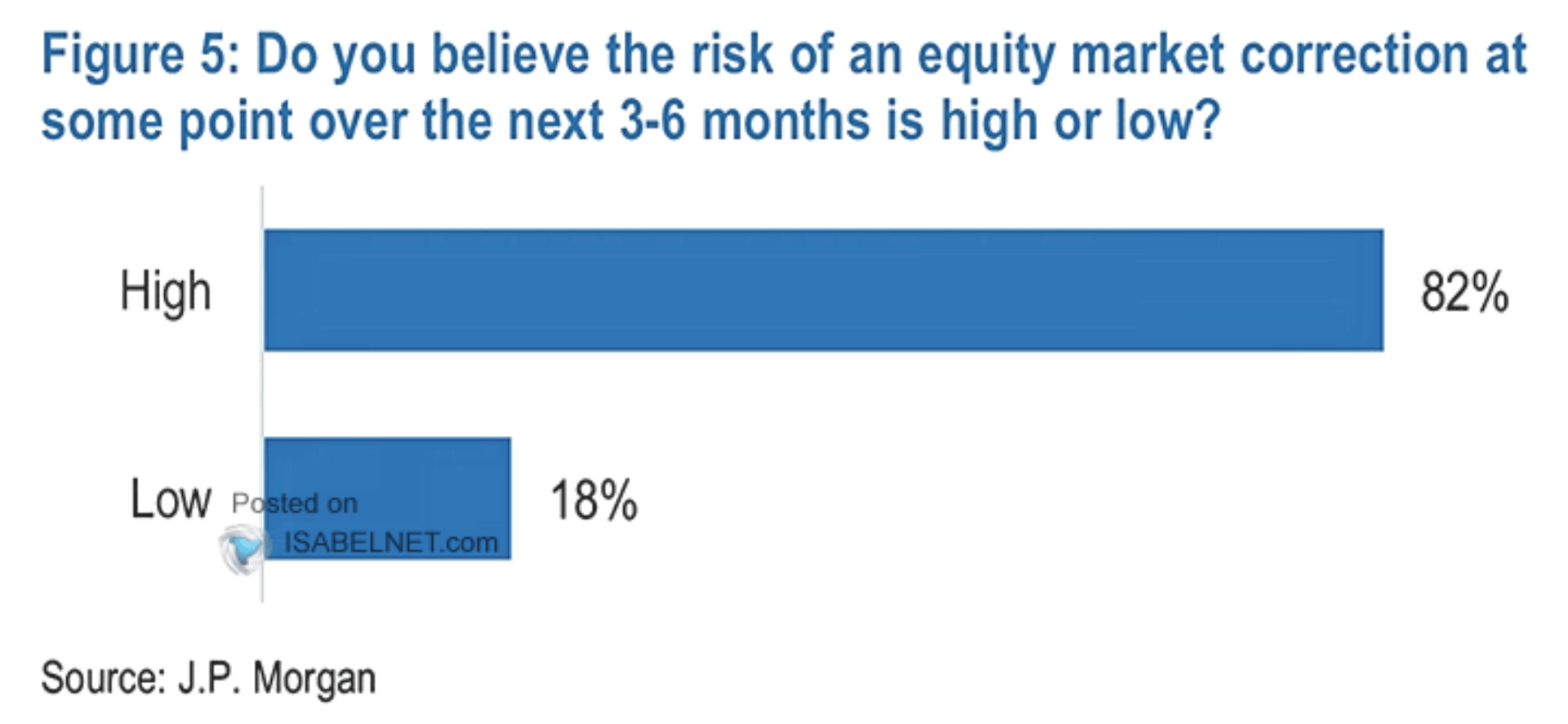
While Lansing does not recommend trying to time the market, it's important to note that stock market corrections are common, occurring almost every year. However, they often happen when investors least expect it. Currently, over 80% of investors are anticipating a correction, yet interestingly, many may view it as a bump in in the upward sloping road, perhaps an opportunity to buy rather than a significant event requiring hedging.
Especially important, none of the above are a recommendations for you to buy or sell any security. This is for information purposes only. Please talk with your advisor regarding any advice around the subject matter and your goals.
Baby Boomers Retiring in Mass Due to Stock and Real Estate Rising Prices
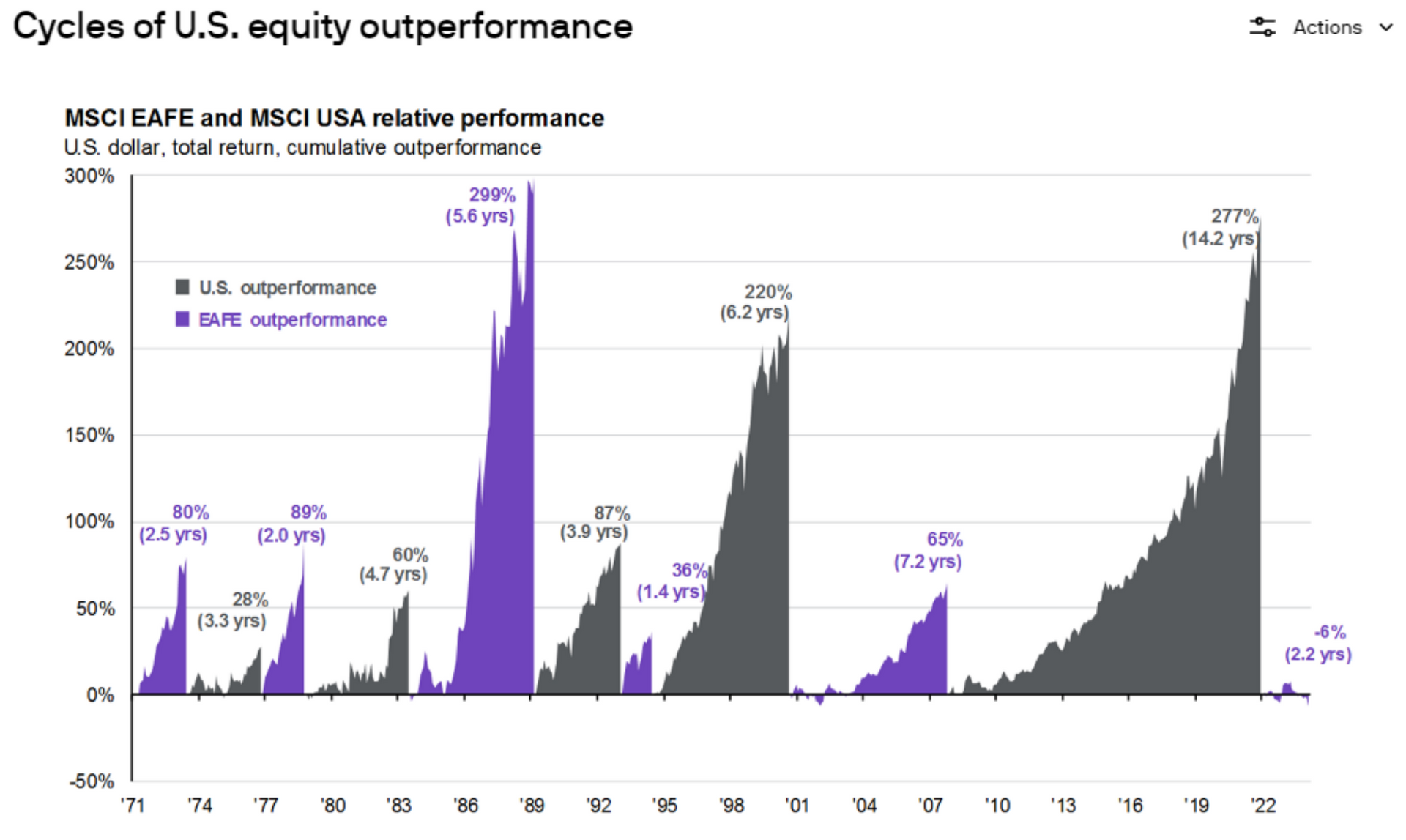
This JP Morgan chart highlights the historical trend of U.S. outperformance compared to developed international markets. It illustrates the average 2–6-year periods of U.S. outperformance, showcasing our current remarkable 14-year run since the aftermath of the financial crisis. This sustained period of outperformance speaks to the strength and resilience of the American economy and market.
Conclusion
As mentioned in previous letters, stock market corrections of 5-10% occur almost every year, so a pullback could happen at any time. However, the current market does not exhibit the characteristics of a traditional bubble. The focus should be on the long-term, as the U.S. remains a global business leader. Factors such as productivity, technology (AI), demographics, and entrepreneurship position the U.S. to maintain its economic leadership over the rest of the world.
With an impressive 4-5x return in stocks since the financial crisis and a remarkable 14-year run of stock outperformance against international equities, baby boomers are brushing up on their paddle swing, but American demographics favor continued leadership replacement.
While the markets are not cheap and a 5-10% correction can happen at anytime, U.S. stocks are not in a traditional bubble. The serious risk to economy and markets today is interest rates staying high or even worse moving higher. This risk will be the subject of a future letter.
Strategies such as buy and hold, dollar-cost averaging, and diversification remain key principles to follow and lead the way.
“R.O.C.K. in the USA” by John Mellencamp
R O C K in the U.S.A.
R O C K in the U.S.A.
R O C K in the U.S.A.
R O C K in the U.S.A.
R O C K in the U.S.A.
R O C K in the U.S.A.
R O C K in the U.S.A.
R O C K in the U.S.A.
R O C K in the U.S.A.
Yeah, yeah
Let's hear it boy
Yeah!
“Boomers Are Expected to Pass $90 Trillion In Assets Onto Millennials — Leaving Them To Become The ‘Richest Generation In History’ In an unprecedented financial shift, millennials are on the cusp of becoming the richest generation in history, with $90 trillion expected to be passed down to them over the next two decades. This transfer of wealth, highlighted in Knight Frank’s 2024 Wealth Report, promises to reshape the economic landscape, and alter the current power dynamics heavily influenced by the baby boomer generation…. platforms to entrepreneurial ventures, marking a shift towards first-generation wealth creation.
-Jeannine Mancini, Yahoo Finance