
Introduction
Investing is a psychology game not an IQ game, as evidenced by the herd behavior observed this year. Investors displayed extreme bullishness at the beginning of 2022 before experiencing a dual stock and bond crash. Similarly, they were overly bearish entering 2023, just before the Nasdaq 100 QQQ delivered a record-breaking performance in the first half. I was also wrong the first 6 months of this year.
In his book "The Behavioral Investor," Daniel Crosby discusses the human inclination towards conformity. Nobody wanted to miss out on the speculative asset run-up in 2021, and the same investors sought the safety of 5% treasuries in 2023 following a 33% correction in the Nasdaq.
Investors spent 2022 in a Rocky Mountain Way with stocks and bonds crashing in same year However, the market surprised everyone with a significant stock and bond recovery in 2023, leaving even the "experts" astonished. This marked the first time in 25 years that Wall Street unanimously leaned bearish.
Rocky Mountain Way
Song by Joe Walsh
Spent the last year
Rocky Mountain Way
Couldn't get much higher
Out to pasture
Think it's safe to say
Time to open fire.
These probabilistic return assumptions depend on current market conditions and, as such, may change over time.
IMPORTANT: The projections and other information generated by the Vanguard Capital Markets Model regarding the likelihood of various investment outcomes are hypothetical in nature, do not reflect actual investment results, and are not guarantees of future results. Distribution of return outcomes from the VCMM are derived from 10,000 simulations for each modeled asset class. Simulations are as of March 31, 2019. Results from the model may vary with each use and over time.
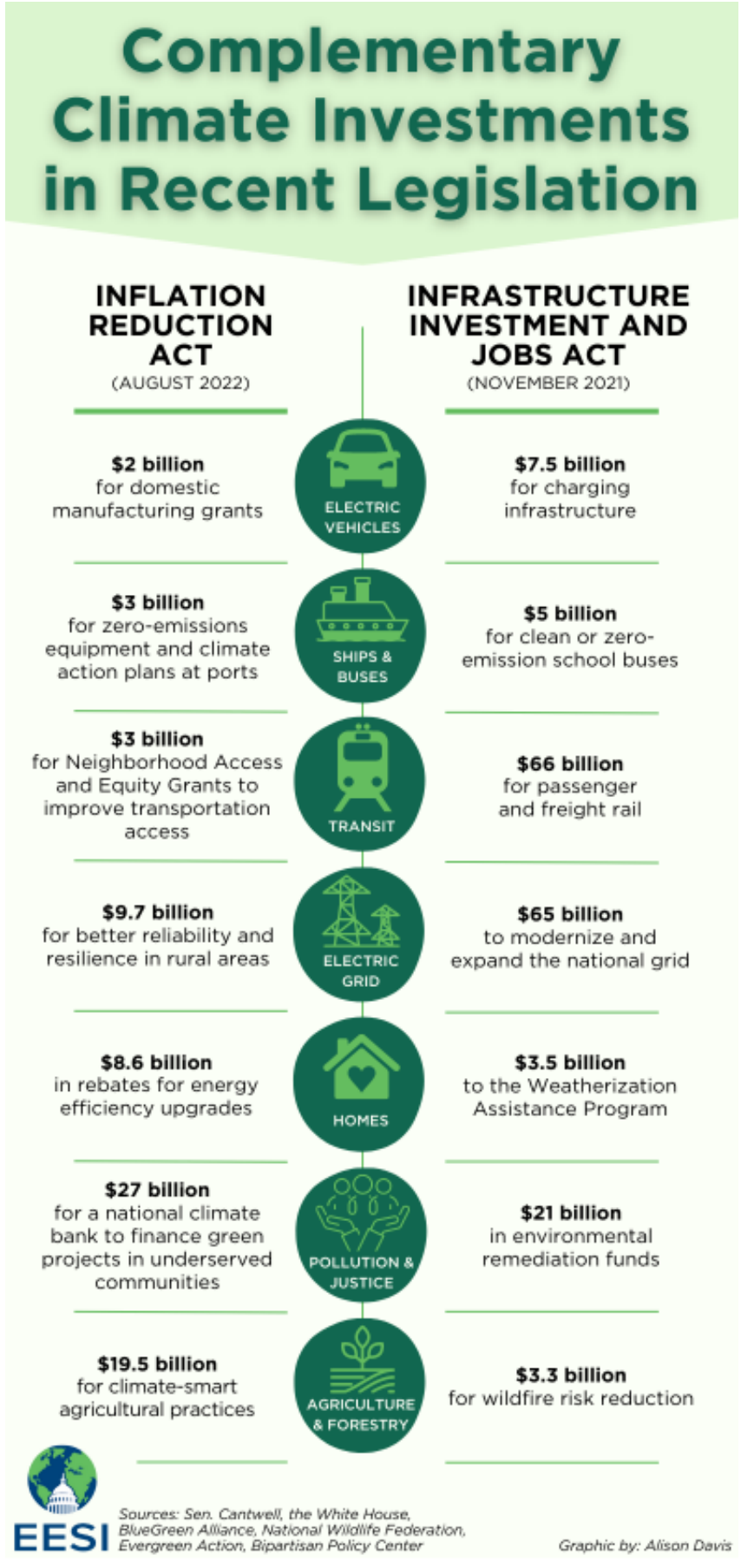
https://www.eesi.org/articles/view/how-the-inflation-reduction-act-and-bipartisan-infrastructure-law-worktogether-to-advance-climate-action
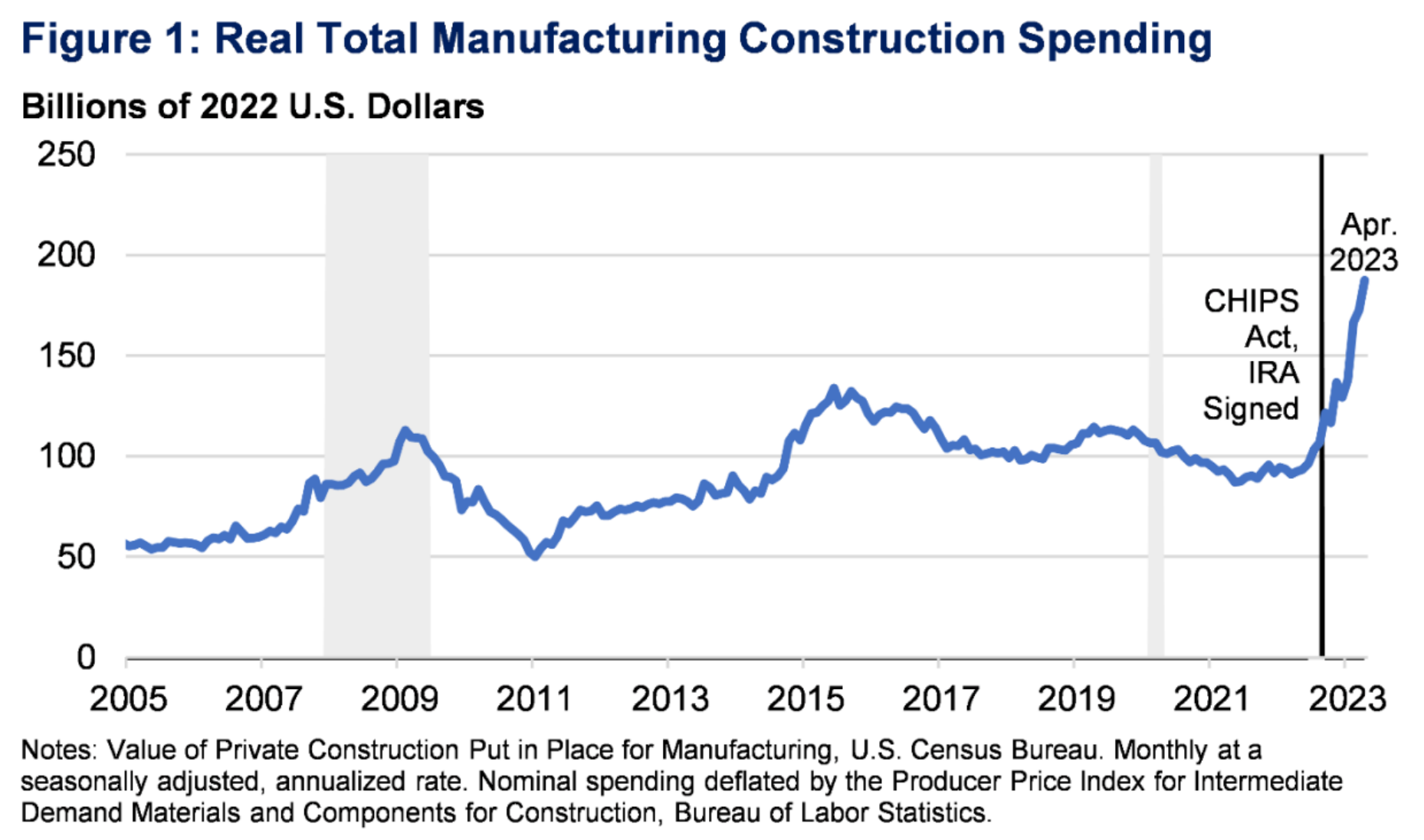
This government spending has fueled a boom in manufacturing construction in the United States, as reported by the U.S. Department of the Treasury.
On December 7th, 1999, Barron’s published the infamous “What’s Wrong,Warren” cover eerily before the Nasdaq crashed 50% and Berkshire recovered years’ worth of underperformance.
The below graph plots the time period 6/30/98 through 2/29/00 for the Nasdaq where many dot-com and technology stocks traded, and the price of Berkshire Hathaway, Warren Buffett’s holding company, which consisted of value stocks:
Source: @_rob_anderson From Callum Thomas TopDown Charts Blog https://www.topdowncharts.com/about
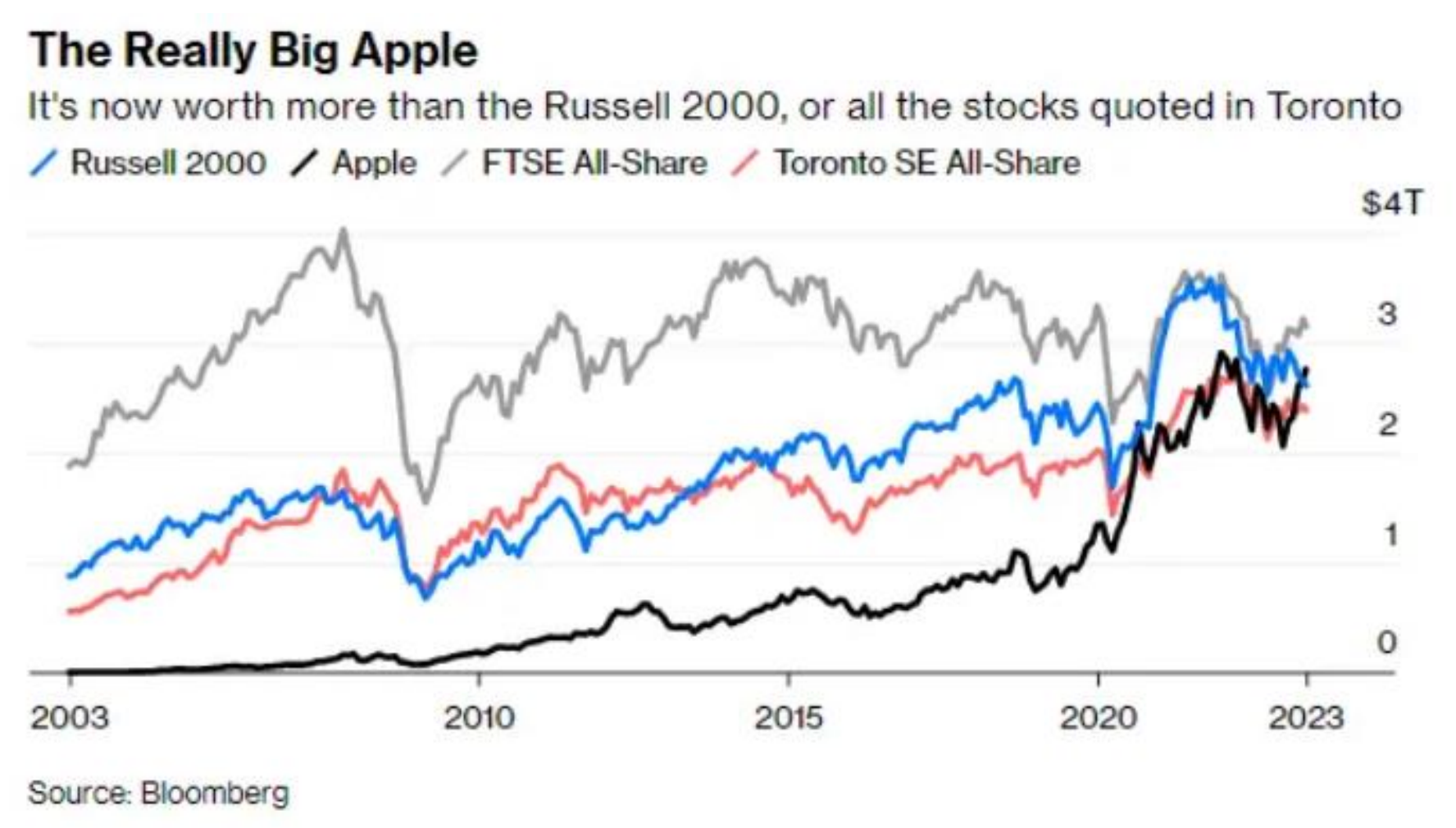
Furthermore, the combined market value of Apple, Microsoft, and Amazon surpasses that of the entire emerging markets index.
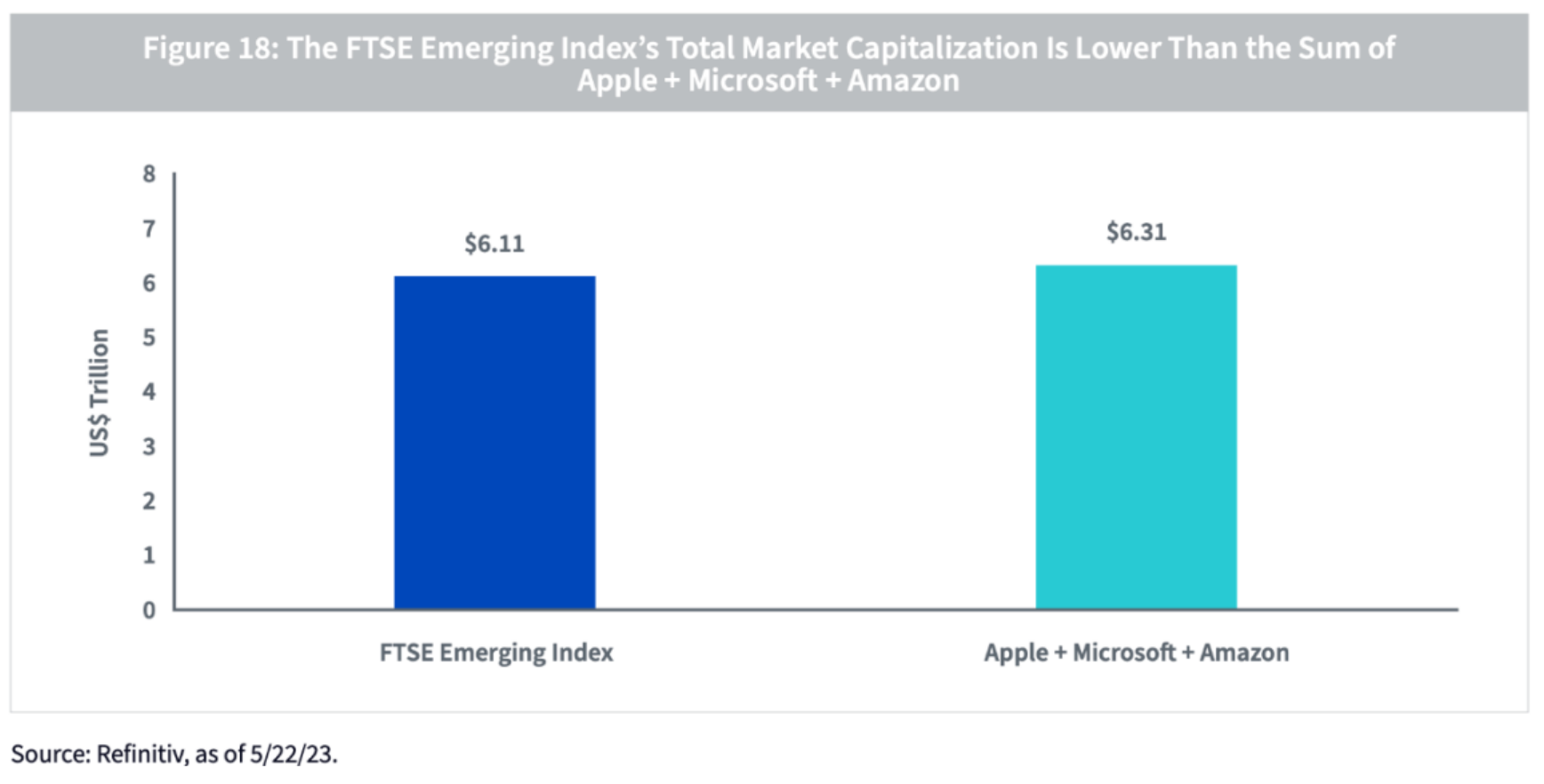
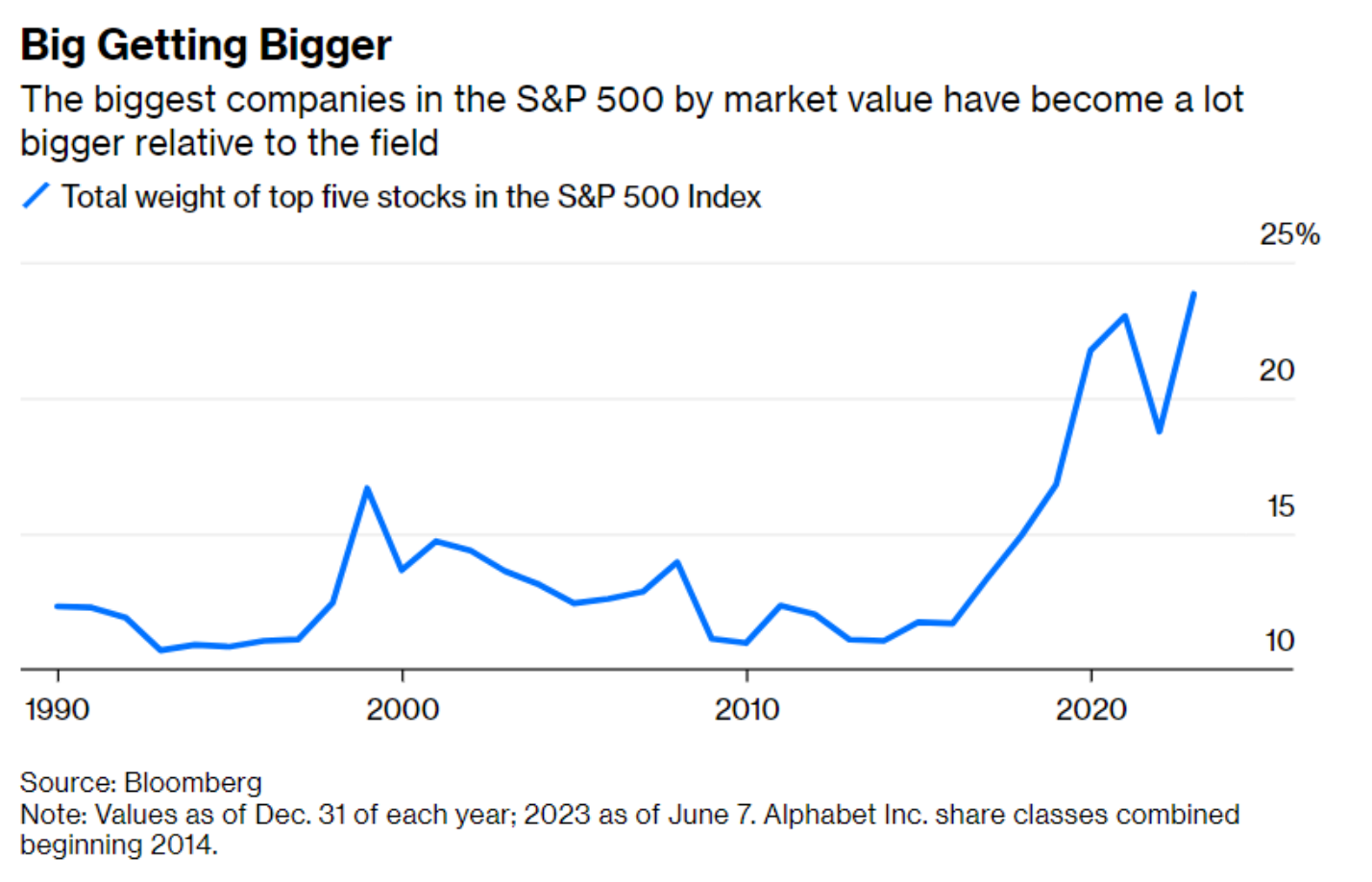
The top 5 stocks now make up close to 25% of the S&P 500 leaving this possibly the most concentrated stock rally ever.
Bloomberg Nier Kaissar
https://www.bloomberg.com/opinion/articles/2023-06-08/personal-finance-s-p-500-s-tech-heavy-top-is-a-feature-not-abug?sref=GGda9y2L
Bloomberg's Nier Kaissar highlights the magnitude of this concentration, with Apple alone worth more than all the small-capitalization stocks in the United States combined, not to mention the entire Canadian stock market.
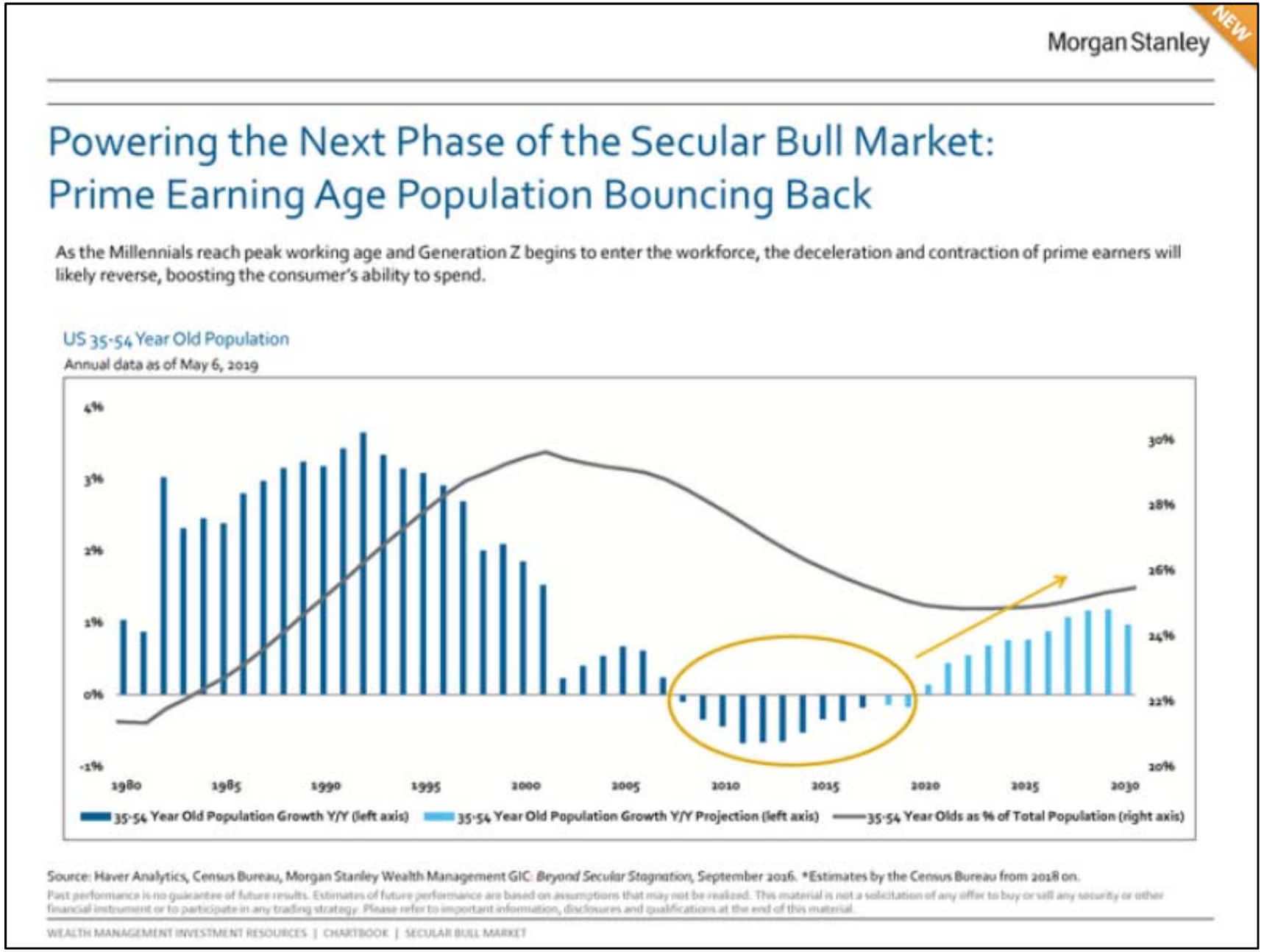
Part IV - Demographics are Destiny
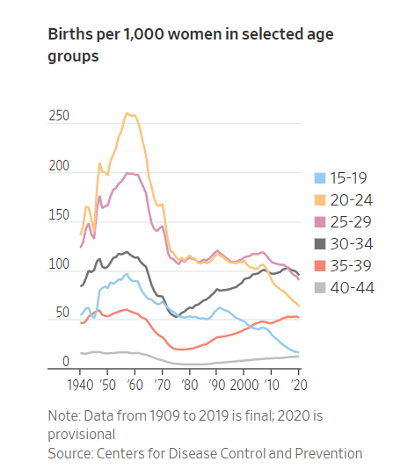
In previous letters, I have discussed the significance of international demographics and the advantages that immigrant societies like the U.S. and Canada hold in a global context where other regions, such as China, Russia, and Europe, face significant downturns in their working-age populations. Now, let's focus on the national demographic picture of the U.S., which can be summarized as the rise of the South.
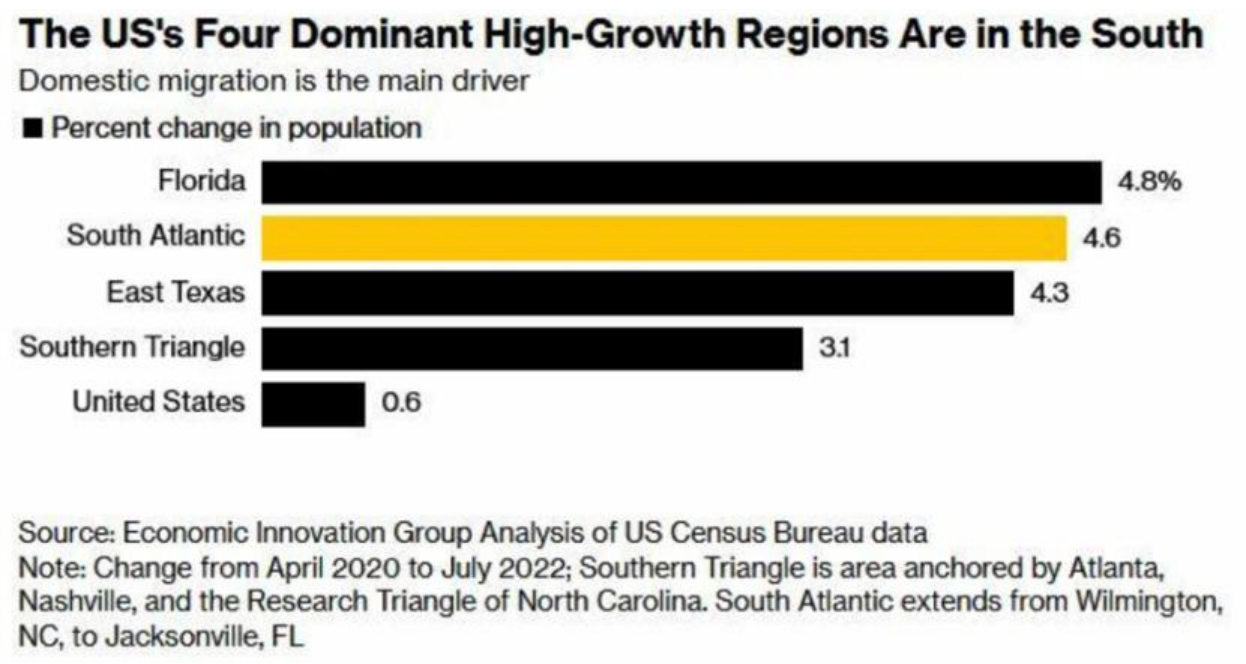
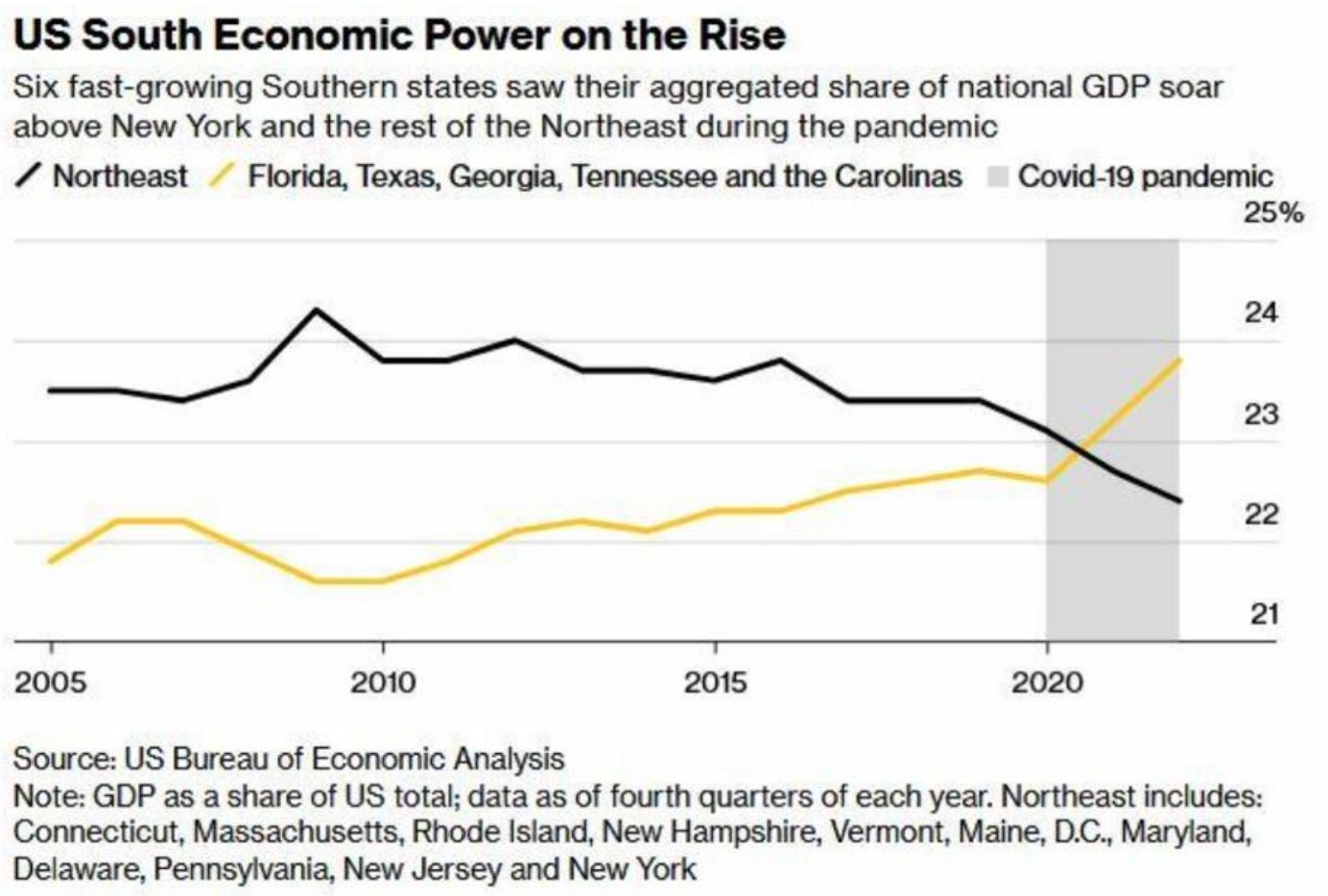
The economic and population growth trend in the southern United States was magnified during the COVID-19 pandemic to the extent that it now outpaces the northeastern region. Factors such as lower taxes, a lower cost of living, lower home prices, and the permanent rise of remote work have profoundly reshaped the demographics of America.
During the pandemic, six fast-growing southern states saw their combined share of the national GDP soar above that of New York and the rest of the Northeast.
In fact, domestic growth in some southern states is four to five times higher than the overall population growth of the U.S.
Leveraged loans are up 50 percent since 2015
Leveraged loans, which are issued by overleveraged companies with insufficient cash flows, are part of what Wolf Richter recently called the “gigantic pile of risky corporate debt that is now being brutally repriced as concerns over credit risk (the risk of default) are finally bubbling to the surface.” According to Richter, the S&P/LSTA US Leveraged Loan 100 Index, which tracks the prices of the largest leveraged loans, has plunged by 20 percent since February 22nd.
According to Richter, leveraged loans “are traded in slices like securities or are packaged into highly rated Collateralized Loan Obligations (CLOs). But for years, investors had the hots for them, driven by their relentless chase for yield, in a world of interest rate repression.”
These companies, noted Richter, were often acquired by private equity firms through leveraged buyouts, which means they loaded up those companies with lots of debt. In addition, “PE firms extracted special dividends from their companies,” which were funded by leveraged loans. That’s a form of asset stripping and it leaves the company “more leveraged, more precarious and more likely to topple. But who cares? Those were the good times and the chase for yield was on,” lamented Richter.
When it comes to bonds and lending, I turn to Howard Marks of Oaktree.
Howard Marks-Very low interest rates created an easy-money environment for companies to do well, but those days are over,” said veteran investor Howard Marks, in a new podcast.
Marks, speaking of his own financial matters, revisited a theme he’s been focused on for months, namely that the past 40 years of falling interest rates aren’t normal, even though it’s the backdrop most investors know best.
“When you live through something for 40 years, you tend to say, ‘Well, that’s normal,’ but it’s not,” he said in a podcast out Tuesday, with Oaktree portfolio manager David Rosenberg.
“And the one thing I’m confident of is that interest rates are not going to decline by another 2,000 basis points,” he said. “In 1980, I had a loan personally at 22.25%, and in 2020, I was able to borrow at 2.25%, so rates went down 2,000 basis points. Not going to happen again, there’s no room for it.”
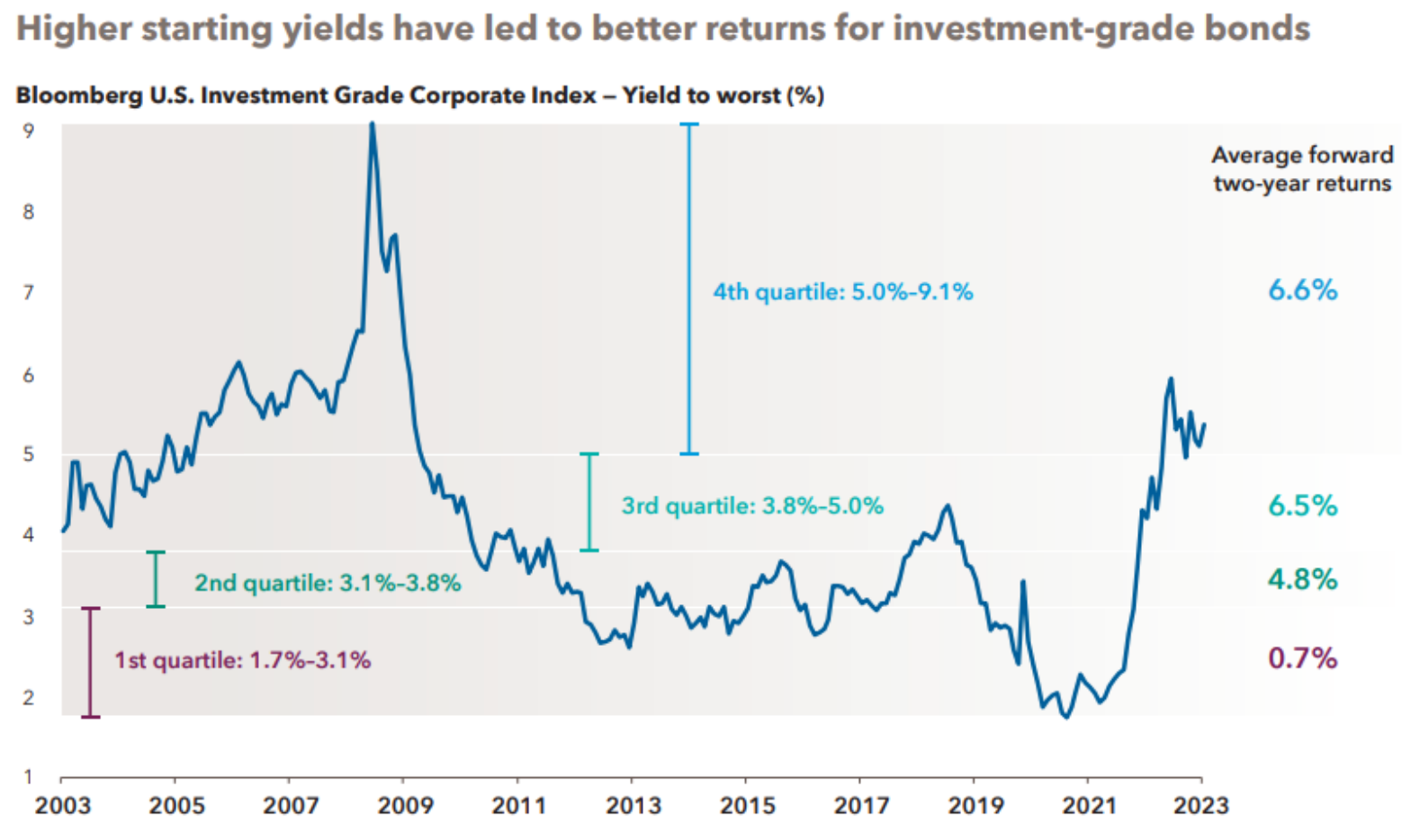
Still, Marks said he’s not “blowing the whistle,” or saying it’s time to get out of investments, only that investors potentially can get equity-like returns from bonds on a “contractual basis, more reliable basis, and that’s something new relative to the last many years.”
Listen to full podcast.
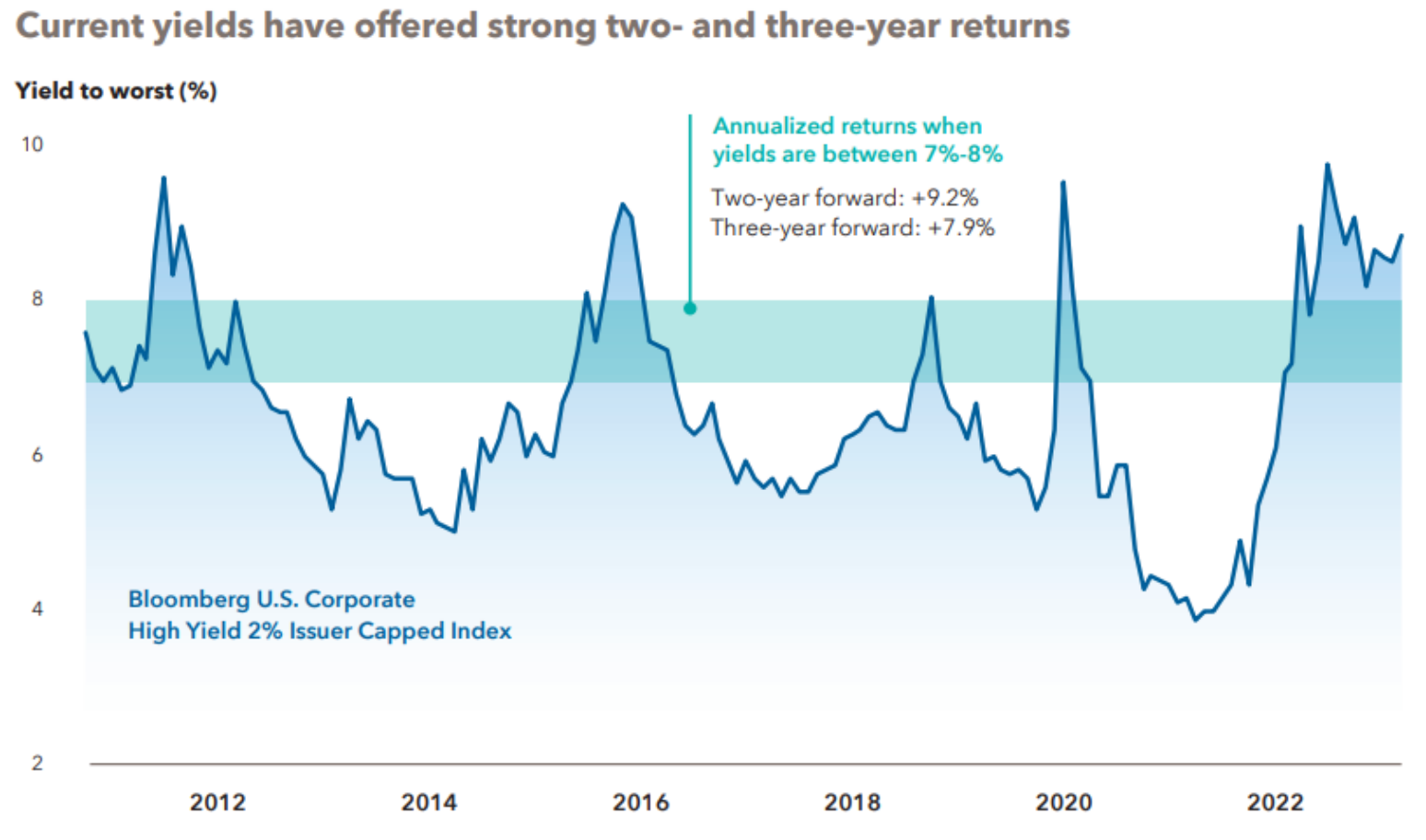
Capital Group shows the historical “equity like returns” from bonds when starting at current 2023 yields.
Investment Grade
High Yield bonds.
Ned Davis
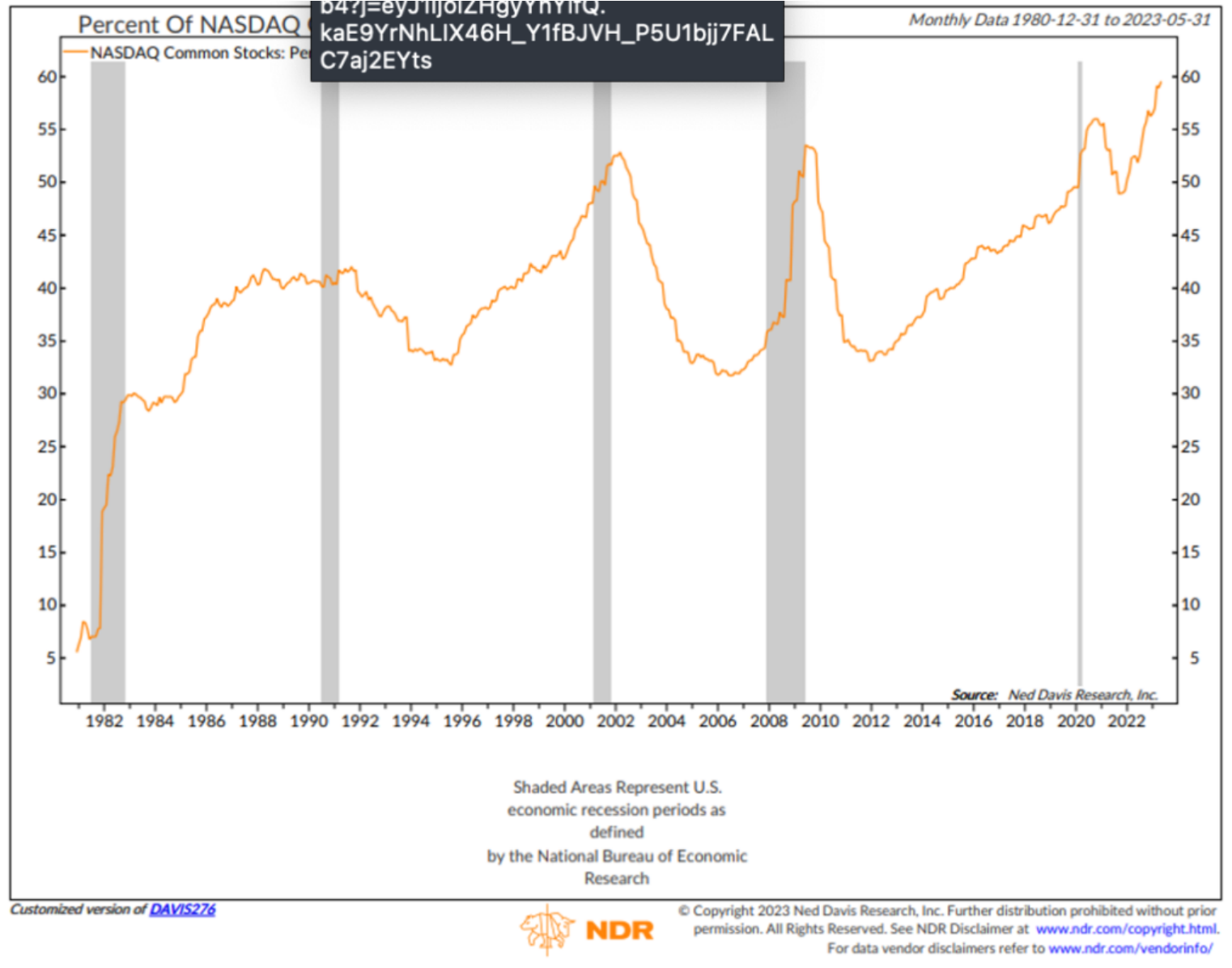
What About the Rest of Tech? It really is just a case of big tech carrying the market, if we look at the percentage of Nasdaq stocks with negative earnings, it has just reached a new all-time high. If you argue that it is a fundamental driven rally, it ain’t showing up in the numbers (at least not yet?).
Disclosures
Lansing Street Advisors is a registered investment adviser with the SEC. To the extent that content includes references to securities, those references do not constitute an offer or solicitation to buy, sell or hold such security as information is provided for educational purposes only. Articles should not be considered investment advice and the information contain within should not be relied upon in assessing whether or not to invest in any securities or asset classes mentioned. Articles have been prepared without regard to the individual financial circumstances and objectives of persons who receive it. Securities discussed may not be suitable for all investors. Please keep in mind that a company’s past financial performance, including the performance of its share price, does not guarantee future results. Material compiled by Lansing Street Advisors is based on publicly available data at the time of compilation. Lansing Street Advisors makes no warranties or representation of any kind relating to the accuracy, completeness or timeliness of the data and shall not have liability for any damages of any kind relating to the use such data. Material for market review represents an assessment of the market environment at a specific point in time and is not intended to be a forecast of future events, or a guarantee of future results. Indices that may be included herein are unmanaged indices and one cannot directly invest in an index. Index returns do not reflect the impact of any management fees, transaction costs or expenses. The index information included herein is for illustrative purposes only
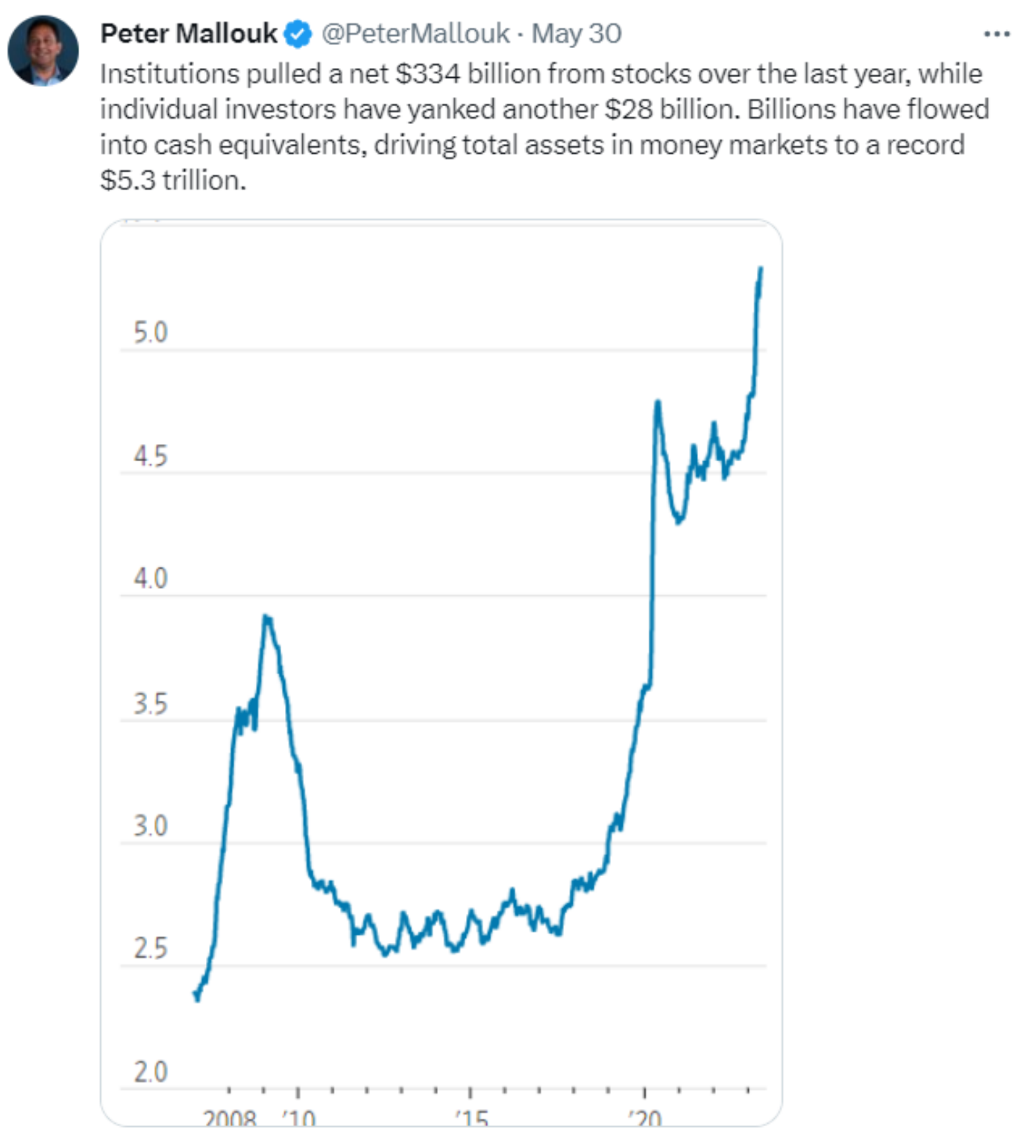
Both institutional and retail investors withdrew a significant amount of money, around $350 billion, from stocks in late 2022, shifting their focus to money market funds that promised returns above 5%. Throughout history, the emotions of buying high and selling low have plagued financial markets, as depicted in advisor legend Peter Mallouk's chart, which shows the influx of investors into money market funds at the start of 2022.
U.S. Department of Treasury https://home.treasury.gov/news/featured-stories/unpacking-the-boom-in-usconstruction-of-manufacturing-facilities
Part III - Interest Rates and Bonds
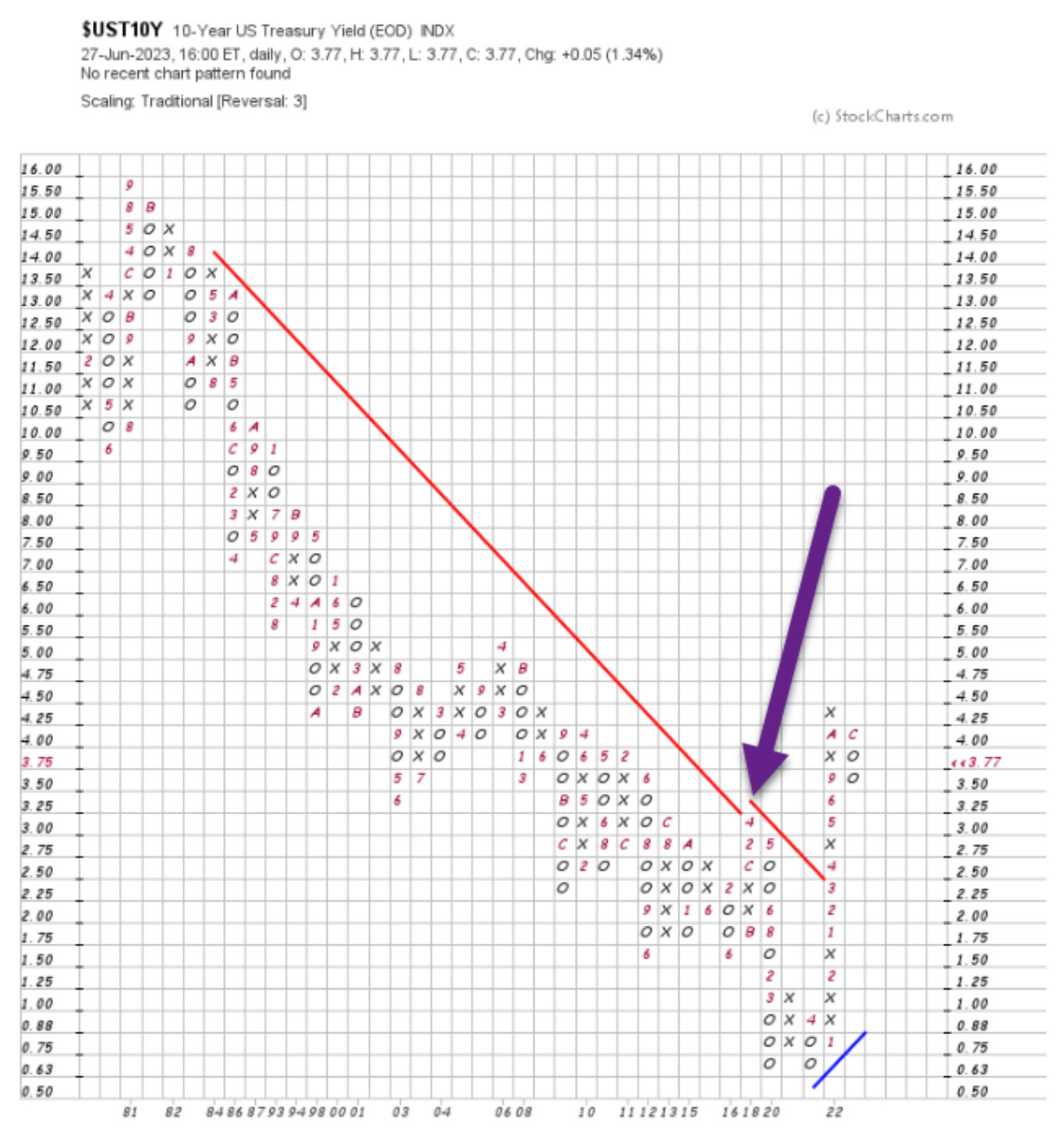
The 40-year downward trend in interest rates has finally come to an end. The past five years of historically low interest rates, which distorted returns, were expected to curb speculation. However, the full impact of this change is yet to be determined. The chart depicting 10-year treasury bond yields illustrates the downward sloping line that characterized interest rates from 1981 to 2021. In 2022, we broke through that line due to the Federal Reserve's unprecedented 1700% increase in rates, with more increases to follow.
Part II - Government Spending
One crucial factor that I failed to emphasize enough was the government's massive spending, totaling $2 trillion, across three bills. This spending has had a far-reaching impact on numerous industries, promoting onshoring and foreign direct investment in the United States.
Barron’s By Andy Serwer but the most positive fact, certainly over the longer term, is the underrecognized $2 trillion of spending from Washington in three bills: the Infrastructure Investment and Jobs Act, the Creating Helpful Incentives to Produce Semiconductors and Science Act, and the Inflation Reduction Act.
Foreign companies have taken note. Quinlan points out that there has been a major spike of foreign direct investment into the U.S., from $150 billion in 2020 to over $350 billion and climbing this year, double the FDI flowing into China.
https://www.barrons.com/articles/when-will-us-recessioncome-6a55afbd?mod=past_editions
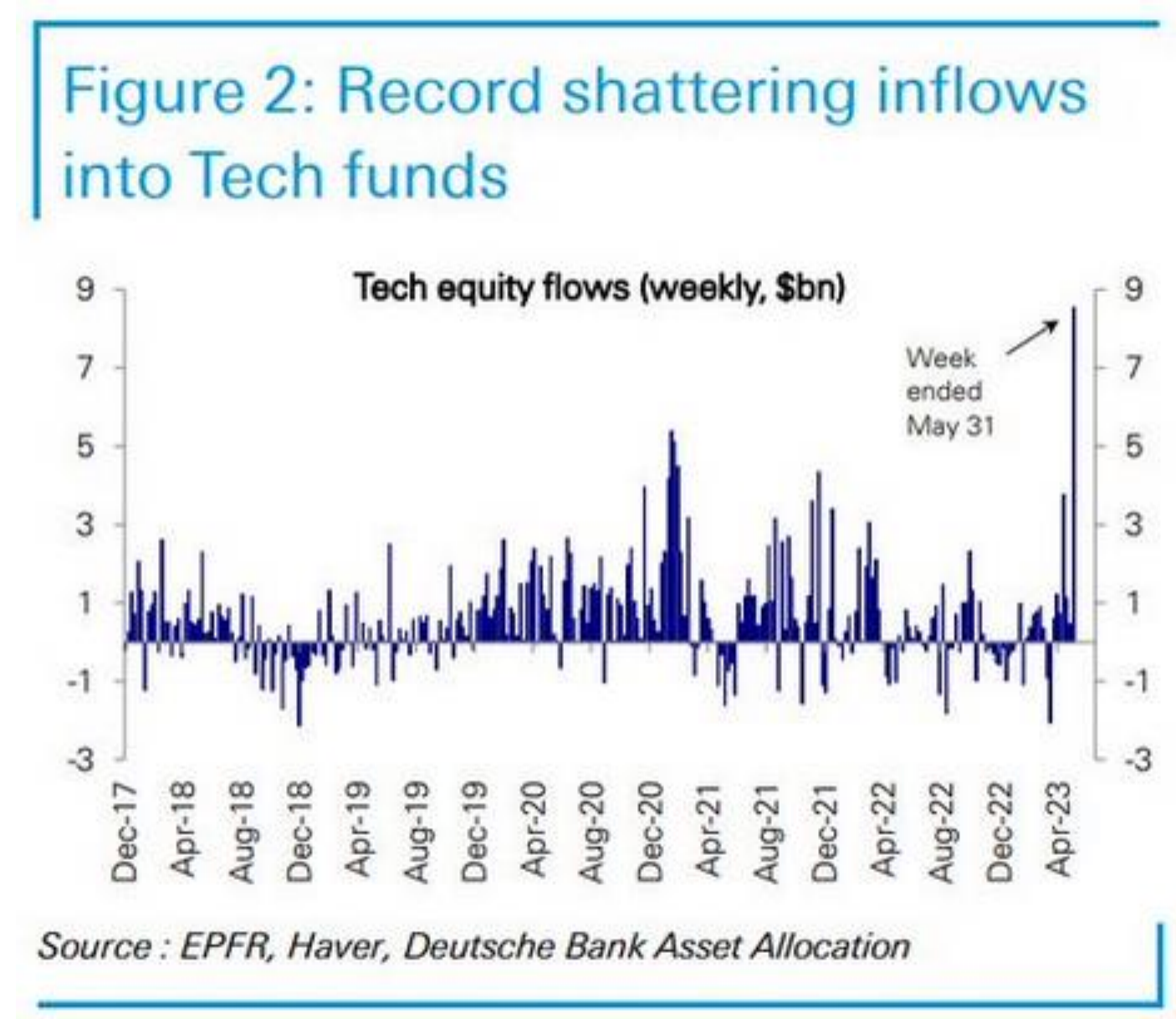
The herd mentality has returned, as evidenced by record inflows into technology stocks during the final week of May following a five-month rally. In a textbook example of behavioral finance, investors sold tech stocks during the 2022 downturn, only to experience FOMO (fear of missing out) and rush back into tech stocks in 2023.
Especially important, none of the above are a recommendations for you to buy or sell any security. This is for information purposes only. Please talk with your advisor regarding any advice around the subject matter and your goals.
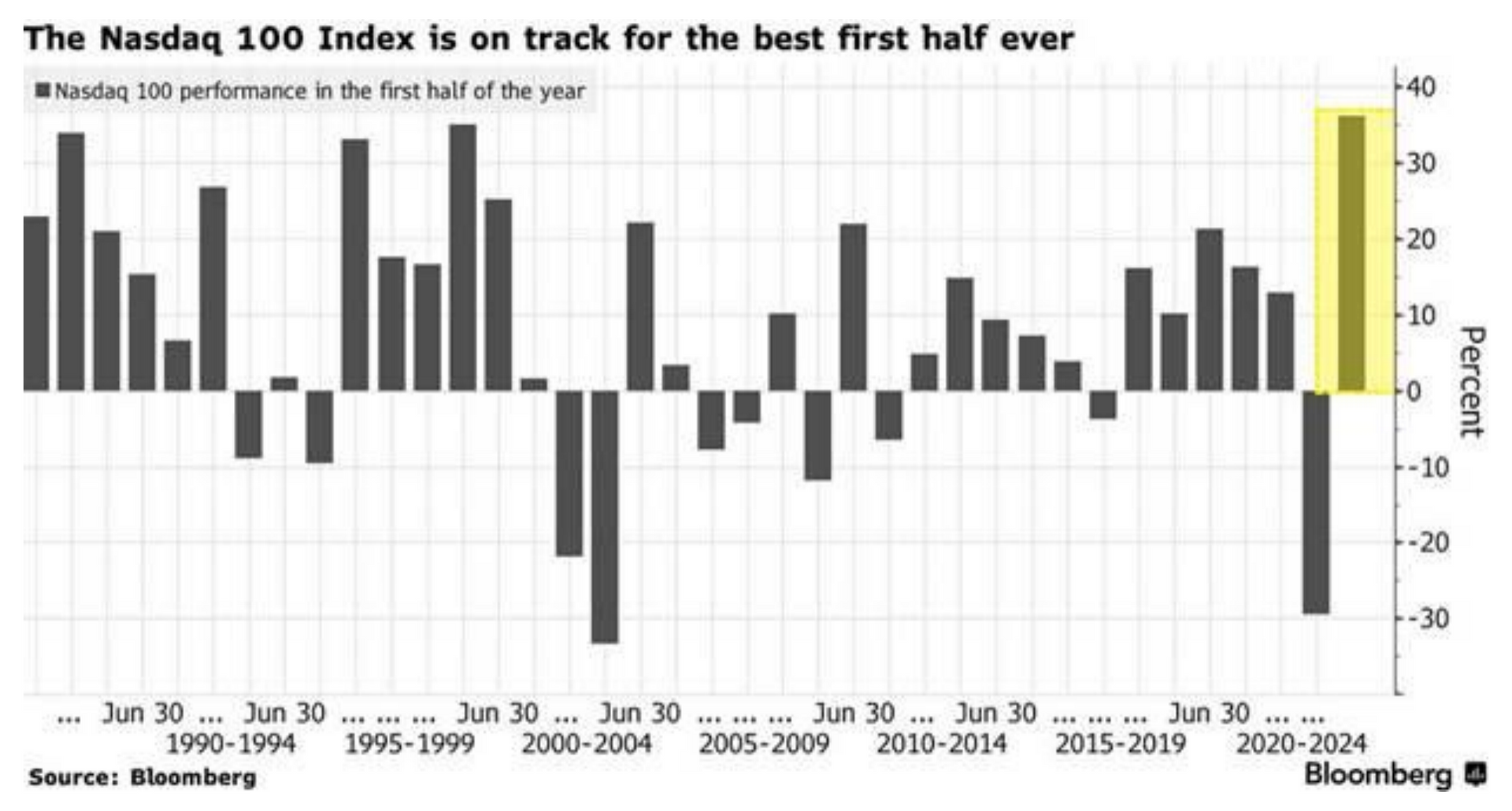
Just as investors flocked to money market funds and treasuries, the Nasdaq 100 began its historic rise in the first six months of the year, surpassing even the performance of the 1990s internet bubble. It's worth noting that seven companies now constitute over 50% of the Nasdaq 100, making this stock rally one of the most concentrated ever witnessed.
Part I - The Stock Market
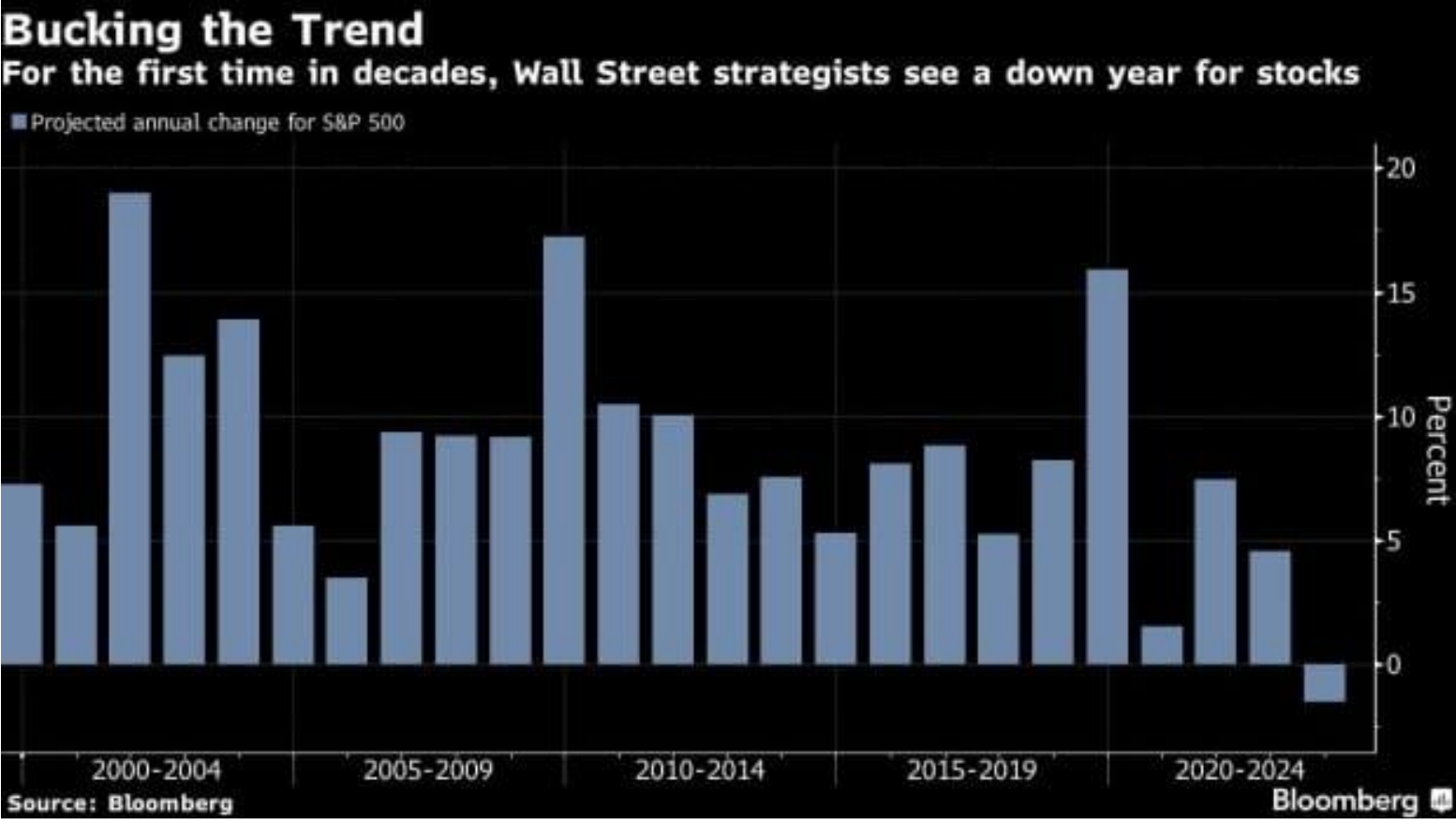
What about the Wall Street experts? A chart spanning 85% of my career reveals that in January 2023, for the first time in 23 years, 100% of Wall Street expressed bearish sentiment for the year ahead. This is a clear indication that the market sentiment had become overwhelmingly negative. However, our psychological aversion to losses prevents us from becoming aggressively bullish. Several factors, such as an inverted yield curve, a 1700% increase in interest rates, a run-on regional banks, a crashing office market, and geopolitical tensions in Europe, raise doubts about the market's potential for further gains.
Did the experts anticipate these developments? Not exactly. Wall Street strategists actually predicted a decline in stock prices for the year, which is rare for this typically bullish group of forecasters.
Part V - Conclusion
Here are some random thoughts to consider:
- The strategies of buying, holding, and dollar-cost averaging proved effective once again during the COVID-19 pandemic and the crash of 2022.
- Going against consensus, including "expert consensus," yielded positive results once again.
- The herd mentality driven by the fear of missing out (FOMO) remains prevalent. Investors bought tech and speculative assets in 2020-2021, shifted to money market funds after the 2021 crash, and are now chasing tech stocks after a 30% rise in 2023.
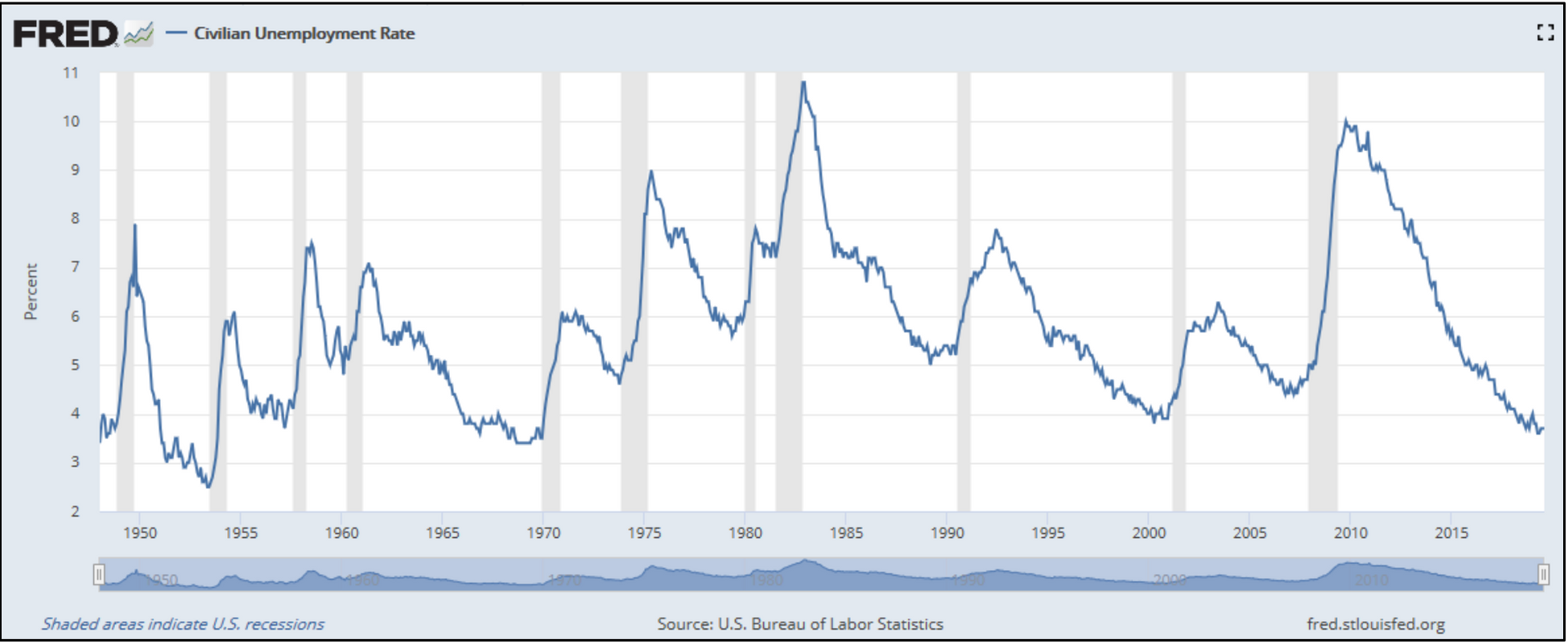
- Bull markets tend to last longer, while recessions are typically shorter. The most predicted recession in history may or may not occur next year.
- Investing in companies that are revolutionizing the world has become a concentrated large cap exercise.
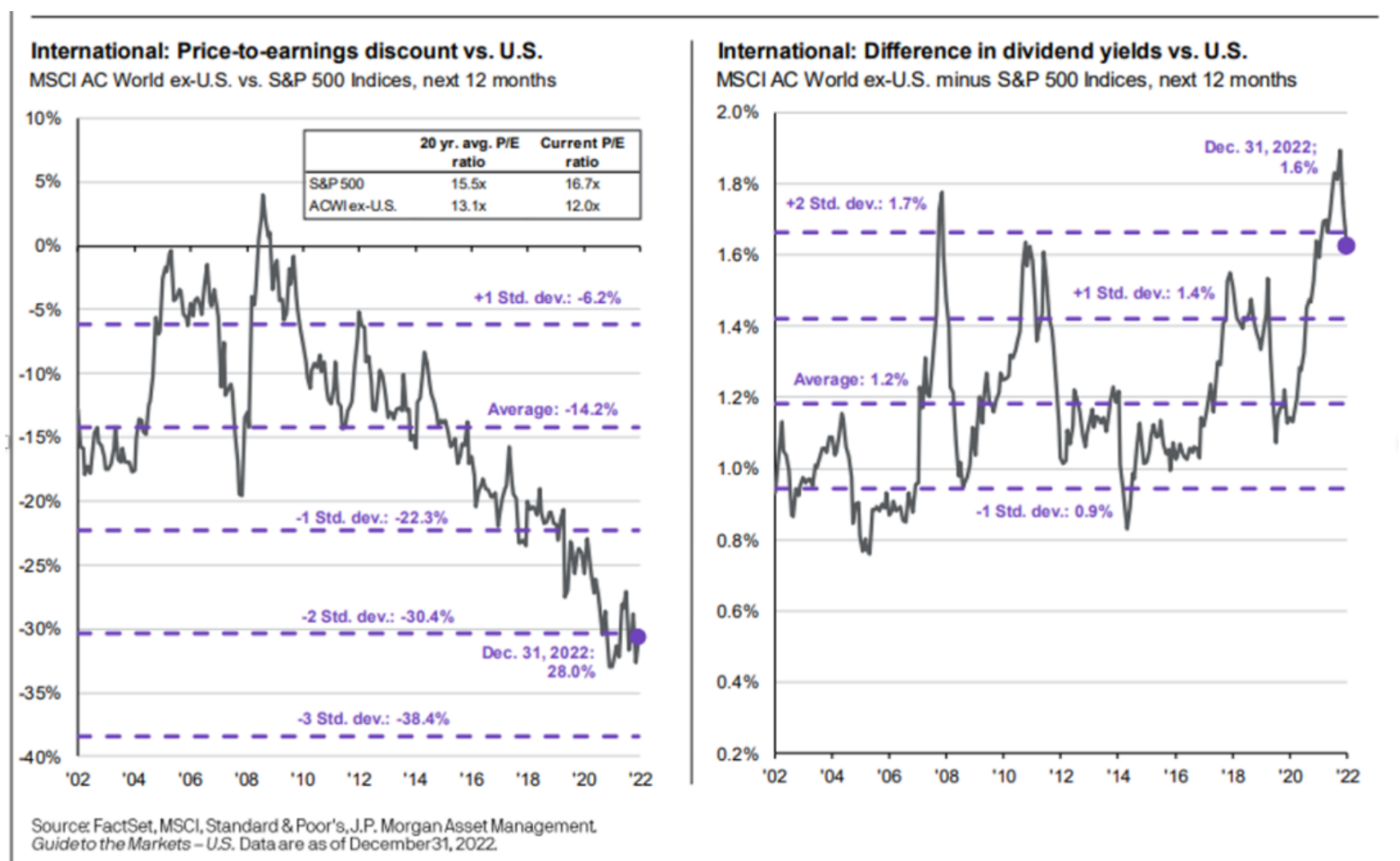
- The landscape for small-cap stocks has changed significantly due to the rise of private equity and the scarcity of $100 million initial public offerings (IPOs). Small caps are currently trading at a 20-year low valuation (2 standard deviations) compared to large caps.
- Is value investing experiencing a "this time is different" situation? Will energy and banks ever regain their leadership in the economy? Value investing has shown leadership for only about 10 months in the last 15 years.
- I anticipate some criticism, but it is worth acknowledging that the government plays a massive role in the economy.
- Will investors rush back into stocks from the $5 trillion parked in money markets? If interest rates remain higher for an extended period, investors may prefer to keep their money parked, collecting 5% returns. With an estimated $84 trillion held by Baby Boomers, higher rates may keep them in preservation mode, especially with 10,000 retirements per day.
- Is there a possibility of a situation similar to the 1999-2000 era when the Nasdaq witnessed three 20% rallies before reaching its final bottom? Could it be taking time for the impact of the 1700% increase in interest rates to work through the economy before another correction or recession occurs? The percentage of Nasdaq stocks with negative earnings is at an all-time high with the Big 7 printing money and the rest? Currently, an alarming 60% of Nasdaq stocks have negative earnings, surpassing both the levels seen during the internet bubble and the 2008 financial crisis. Will the market rally remain concentrated, or “time to change the batter?”
Well, he's tellin' us this
And he's tellin' us that
Changes it every day
Says it doesn't matter
Bases are loaded and Casey's at bat
Playin' it play by play
Time to change the batter
https://www.lyrics.com/lyric/27550658/Joe+Walsh/Rocky+Mountain+Way