
Introduction
When it comes to investing, it pays to leave your sweet emotions at the door because no one can say where the market will be in a year. Let's review the last 18 months of emotional headlines and the stock market continues to rally.
- Interest Rates:
Rose from 50 basis points to 5.5%, leaving some business and commercial real estate borrowing in double digits with home mortgages hitting 7.5%.
- Inverted Yield Curve:
735 days of inverted yield curve. The most trusted recession indicator is the inverted yield curve. On July 5th, 2022, the spread between the 2YR Treasury Yield and the 10YR Treasury Yield went negative marking a yield curve inversion. 735 days later, the yield curve is still inverted, the longest such stretch since we have data going back to 1977.
- Bank Collapse:
On May 1, 2023, the 14th largest bank in the U.S. collapsed to zero.
- Commercial Real Estate Debt: More bank worries on tap. Almost $1 trillion of debt linked to commercial real estate will mature this year in the US, according to the Mortgage Bankers Association, and rising defaults as borrowers fail to repay will create more options for buyers of distressed assets.
- War in Europe:
A war from another century starts in Europe. A war of attrition with a 700-mile trench line is raging in Europe. Satellite images show extensive Russian trenches all along the 700-mile front, with miles upon miles of land mines and fortifications—all of which seem to hark back to a different era.
- Conflict in Gaza:
On October 7, 2023, Hamas invaded Israel, initiating a war in Gaza that is still progressing as we speak.
- Political Turmoil: The ex-President of the U.S. was convicted of 34 felonies and survived an assassination attempt on his life.
Despite these challenges, the U.S. stock market has reached new highs in the S&P and Nasdaq, marking one of the best starts to a year ever. War, bank defaults, recession indicators, skyrocketing interest rates, a Presidential candidate assassination attempt, and the market keeps on trucking.
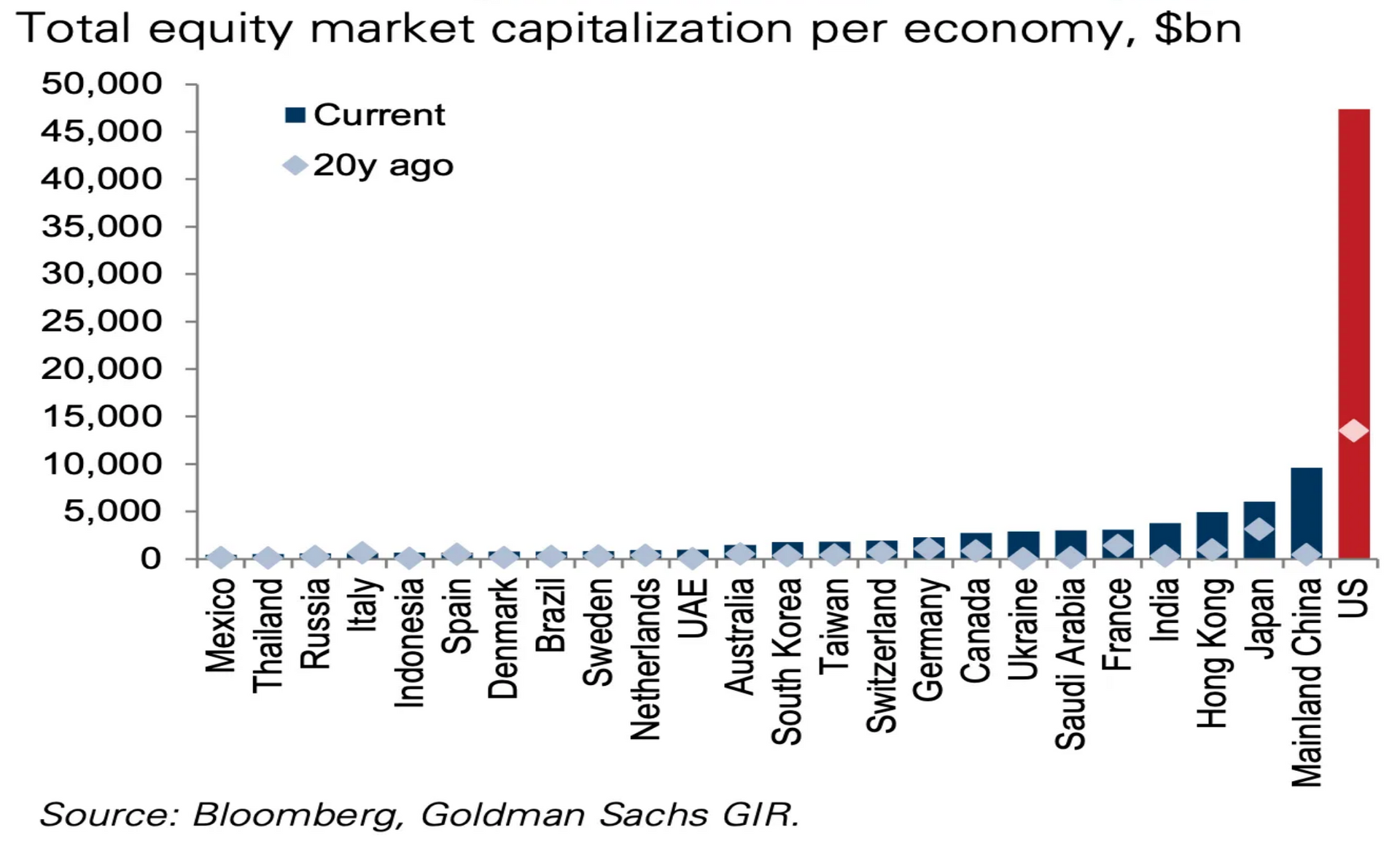
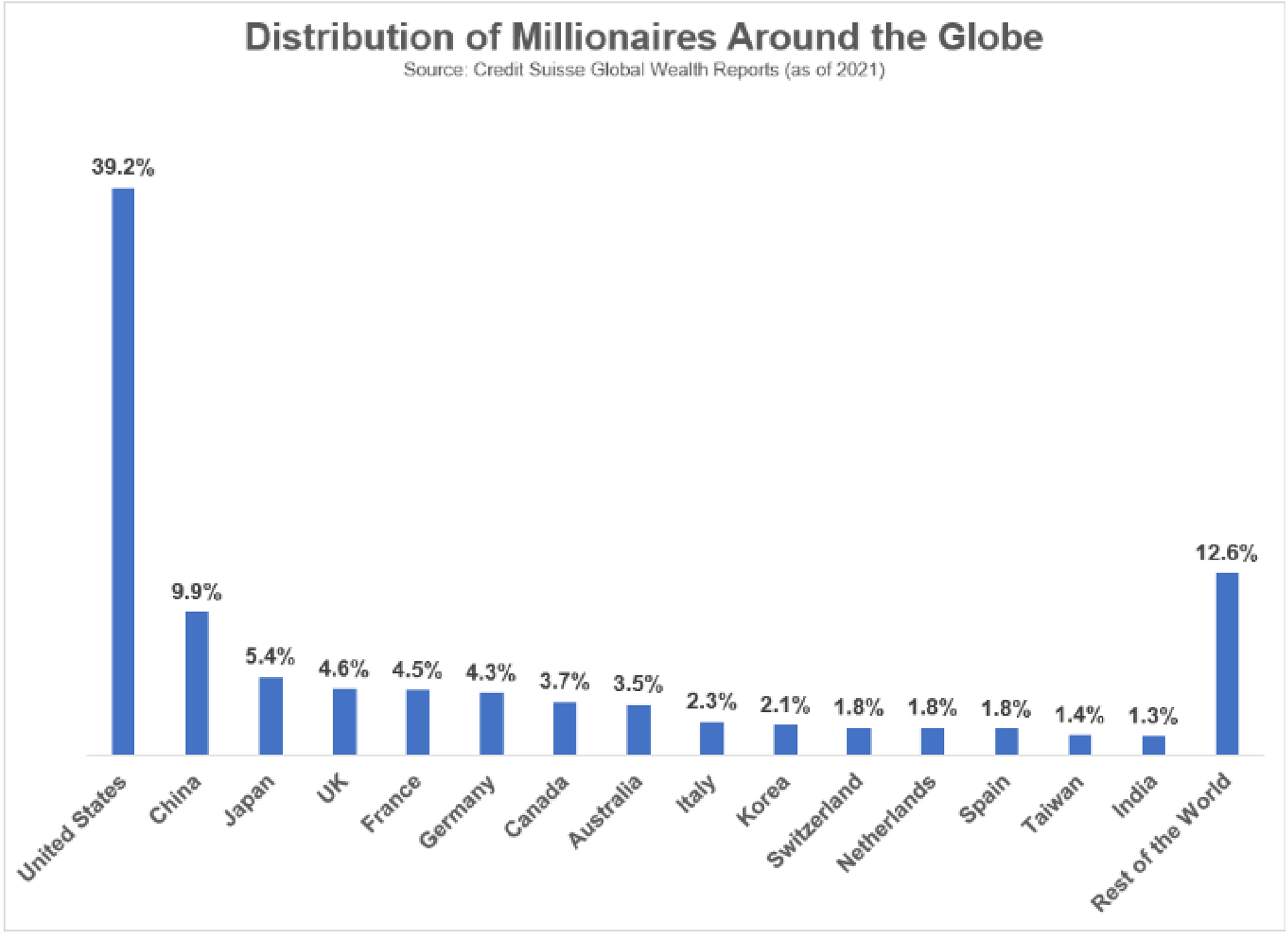
The stock market rises three out of every four years, regardless of crises. The first half of 2024 has seen new highs driven by ten major stocks. The top 10 American stocks now surpass the entire Chinese GDP of 1.42 billion people! Despite previous predictions, communism hasn’t overtaken the economic world. Communism sucks, that hasn’t changed.
Sweet Emotion
Song by Aerosmith
Sweet emotion
Sweet emotion
You talk about things that nobody cares
Wearing out things that nobody wears
You're calling my name but I gotta make clear
I can't say, baby, where I'll be in a year
These probabilistic return assumptions depend on current market conditions and, as such, may change over time.
IMPORTANT: The projections and other information generated by the Vanguard Capital Markets Model regarding the likelihood of various investment outcomes are hypothetical in nature, do not reflect actual investment results, and are not guarantees of future results. Distribution of return outcomes from the VCMM are derived from 10,000 simulations for each modeled asset class. Simulations are as of March 31, 2019. Results from the model may vary with each use and over time.
Secondly,
as mentioned earlier, almost $1 trillion of debt linked to commercial real estate is set to mature this year in the US, according to the Mortgage Bankers Association. Rising defaults among borrowers failing to repay could lead to dislocations in commercial real estate that may spread to the banking sector and the broader economy. The Fed is likely keen to avoid being late in responding to these potential risks.
On December 7th, 1999, Barron’s published the infamous “What’s Wrong,Warren” cover eerily before the Nasdaq crashed 50% and Berkshire recovered years’ worth of underperformance.
The below graph plots the time period 6/30/98 through 2/29/00 for the Nasdaq where many dot-com and technology stocks traded, and the price of Berkshire Hathaway, Warren Buffett’s holding company, which consisted of value stocks:
https://kailashconcepts.com/ Kailash Concepts
Was the Nasdaq 100 20% rally in the first quarter a repeat of the above or a new bull market in tech? A big portion of the answer will come from the direction of interest rates. The Fed came in like a hurricane upending markets across the world, but we have not begun to feel the effects of higher interest rates working their way across the system. As rates settle into a new range, it will have a profound effect on new business initiatives going forward and be exacerbated by the recent regional bank speed bump that will reduce lending to small business owners. Below are Vanguard’s projected 10-year returns that I include at the end of every letter. The interesting data point is treasuries and high-quality corporate bonds have higher projected returns than growth stocks at one-quarter of the volatility.
Like Neil Young says “I want to love you but I’m getting blown away.”
Looking at historical data above, it's striking to see the unsustainable valuations of the internet bubble. Companies like JDS Uniphase and Yahoo traded at over 600 times their earnings. Today, Nvidia trades at forty-eight times forward earnings, while Cisco traded at 148 times in 1999. This comparison doesn't suggest that tech stocks will continue to rise indefinitely; rather, it highlights that the market dynamics of 2024 are fundamentally different from those of 1999.
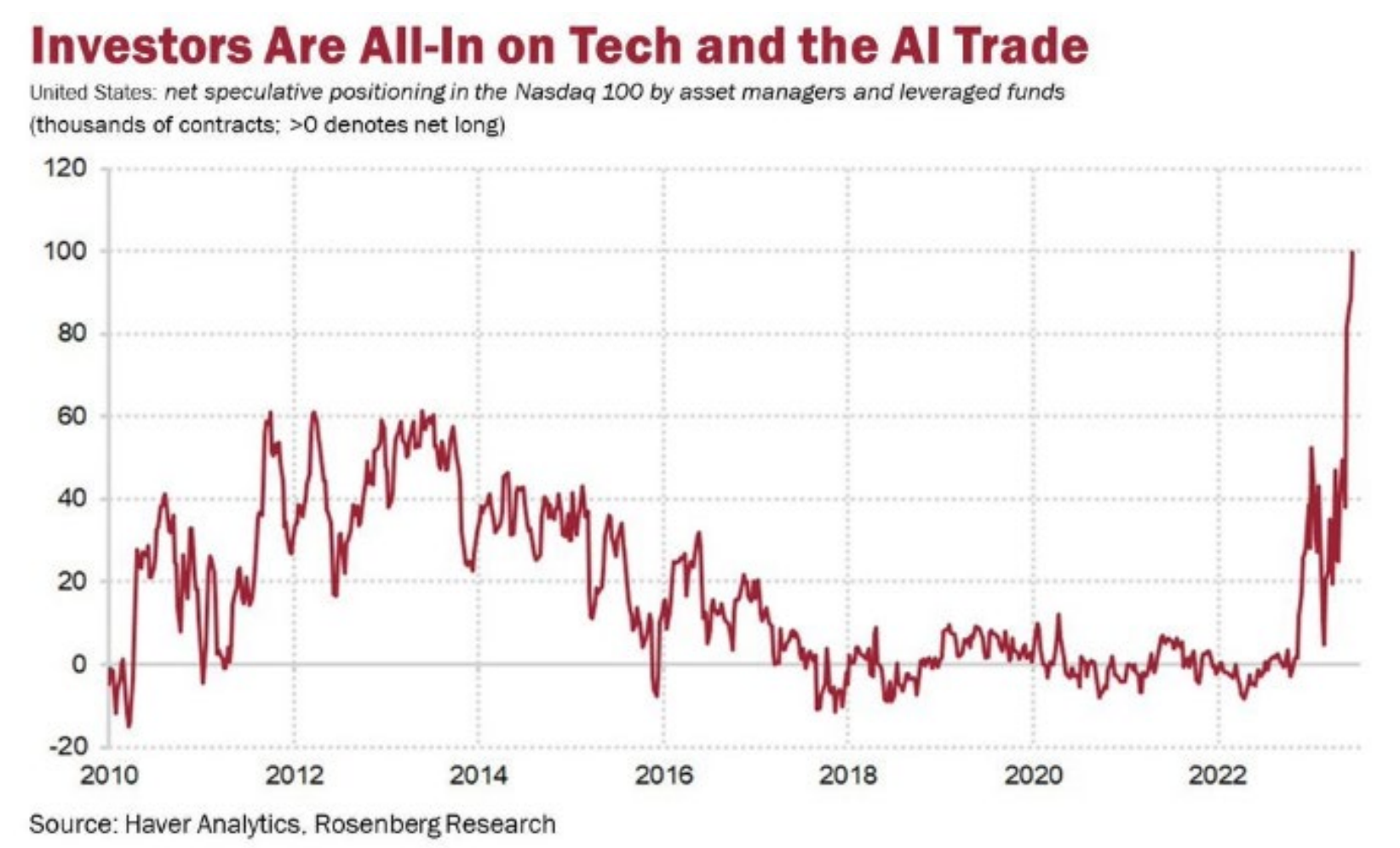
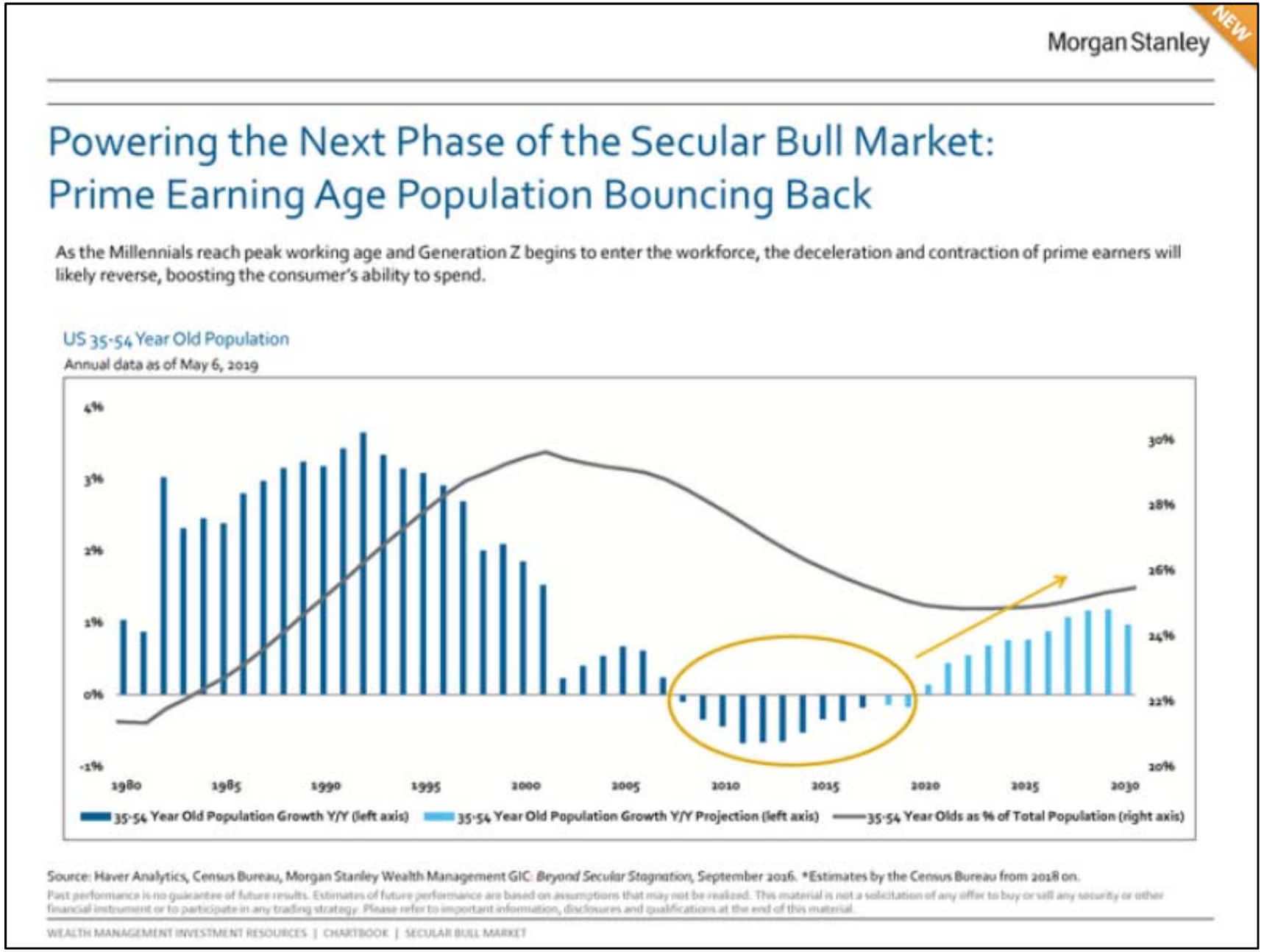
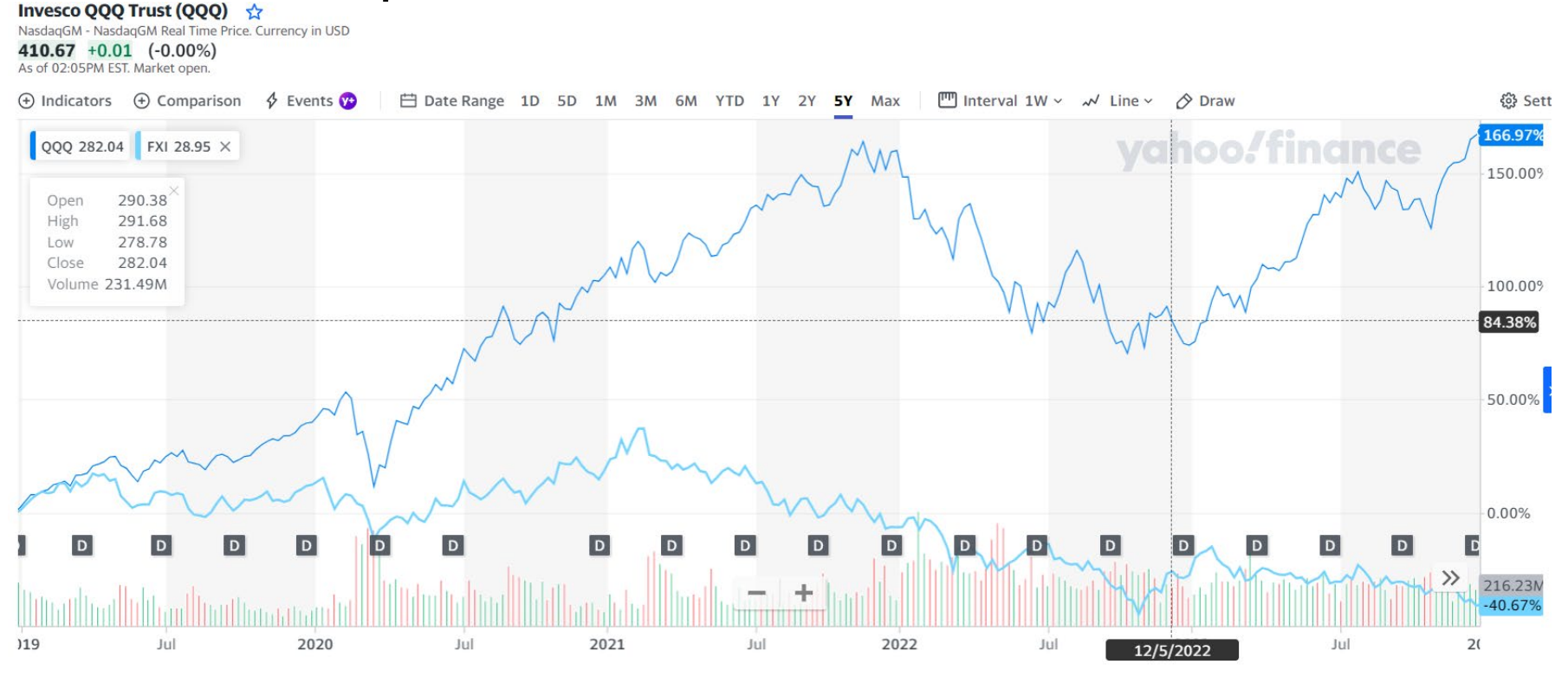
From Market Ear Blog https://themarketear.com/newsfeed
Part I: Deglobalization
We are entering a time of decreasing interdependence among nation-states, as Russia, China, and Iran seek to reset the economic order. Maybe? But it is not going to be a smooth ride.
Re-shoring, deglobalization, and tariffs dominate 2024 business and political discussions, but this is a substantial undertaking that extends well beyond semiconductors. For example, the Apple phone, a ubiquitous device, sources parts from forty-three countries, and Ford operates in 125 countries. These are just two examples. Does this seem easy to unravel?
We often associate globalization with the outsourcing of manufacturing to China in the 1990s, but it actually began after World War II. Nearly 80 years of globalization won't disappear in 24 months.
Supply chain issues, geopolitics, tariffs, and rising labor costs are prompting a reshoring of more industry back to the U.S., which is positive. However, the economy will remain global. Judging by our first chart of the ten largest U.S. stocks versus China's GDP, the profit margins favor America.
Part II: It is Not 1999
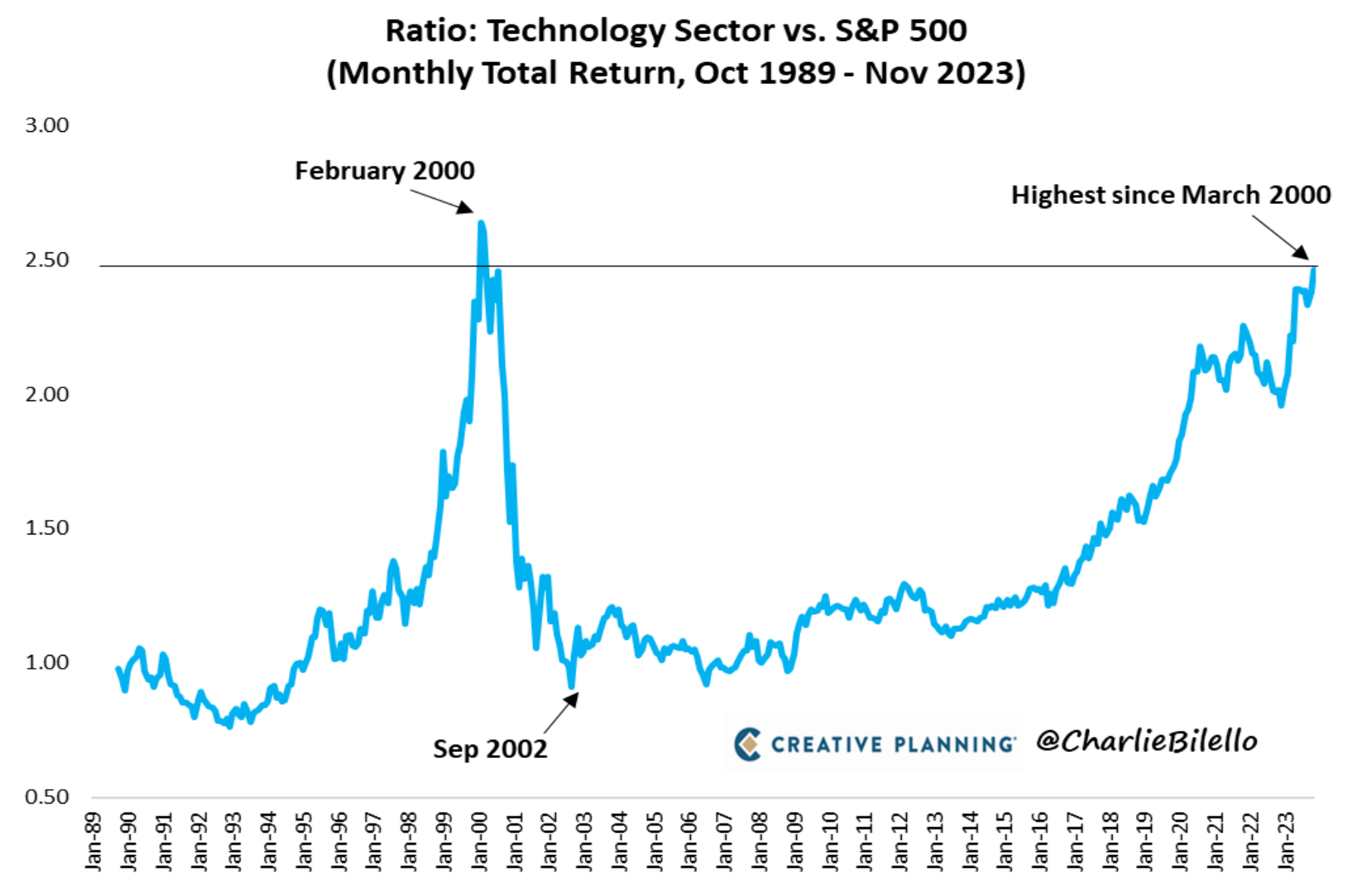
The recent record highs in the Nasdaq and S&P in 2024 have sparked discussions of a bubble, drawing comparisons to the 1999 internet bubble. While I cannot predict the future, it's clear that current valuations are nowhere near those seen during the dot-com crash.
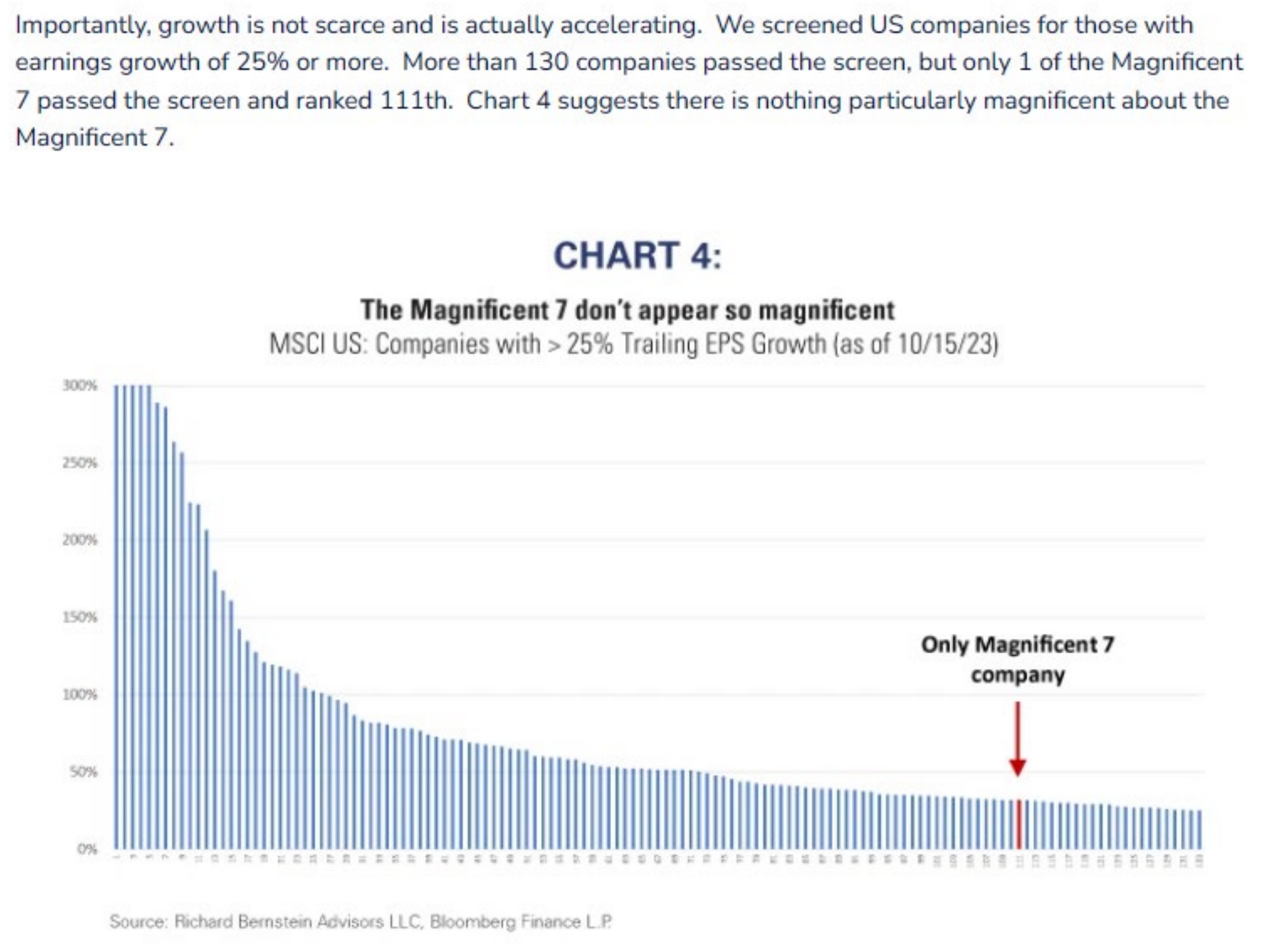
Firstly, the internet bubble was fueled by speculative investments in profitless companies, whereas the gains in 2024 are driven by the "Magnificent 7" — firms with strong earnings and robust balance sheets.
Secondly, while stock valuations are not low by historical standards, they are significantly lower than during the dot-com era. Excluding the top twenty largest stocks from the S&P, the other 480 companies are trading close to their median valuation over the past 20 years.
According to Goldman Sachs, the ten largest stocks today trade at a P/E ratio of thirty times earnings. In 2000, these stocks traded at a much higher P/E ratio of forty-seven times earnings. If we exclude these top ten stocks, the rest of the S&P 490 is trading at eighteen times earnings today, compared to sixteen times in 2000.
Leveraged loans are up 50 percent since 2015
Leveraged loans, which are issued by overleveraged companies with insufficient cash flows, are part of what Wolf Richter recently called the “gigantic pile of risky corporate debt that is now being brutally repriced as concerns over credit risk (the risk of default) are finally bubbling to the surface.” According to Richter, the S&P/LSTA US Leveraged Loan 100 Index, which tracks the prices of the largest leveraged loans, has plunged by 20 percent since February 22nd.
According to Richter, leveraged loans “are traded in slices like securities or are packaged into highly rated Collateralized Loan Obligations (CLOs). But for years, investors had the hots for them, driven by their relentless chase for yield, in a world of interest rate repression.”
These companies, noted Richter, were often acquired by private equity firms through leveraged buyouts, which means they loaded up those companies with lots of debt. In addition, “PE firms extracted special dividends from their companies,” which were funded by leveraged loans. That’s a form of asset stripping and it leaves the company “more leveraged, more precarious and more likely to topple. But who cares? Those were the good times and the chase for yield was on,” lamented Richter.
https://awealthofcommonsense.com/
Finally,
private equity has seen explosive growth over the past 15 years. This surge, amounting to trillions of dollars, occurred primarily during a record low-interest-rate environment from 2010 to 2024. However, the outlook in the current normalized rate atmosphere remains uncertain. Currently, top private equity funds are experiencing underperformance against the S&P for the first time in a decade, prompting investors to seek the return of capital. Once again, the Fed is cautious not to lag behind in addressing potential issues in this multi-trillion dollar sector.
Disclosures
Lansing Street Advisors, LLC is a registered investment advisor with the State of Pennsylvania. You can read more about the Lansing team at http://www.lansingadv.com/
To the extent that content includes references to securities, those references do not constitute an offer or solicitation to buy, sell or hold such security as information is provided for educational purposes only. Articles should not be considered investment advice and the information contained within should not be relied upon in assessing whether to invest in any securities or asset classes mentioned. Articles have been prepared without regard to the individual financial circumstances and objectives of persons who receive it. Securities discussed may not be suitable for all investors. Please keep in mind that a company’s past financial performance, including the performance of its share price, does not guarantee future results.
Material compiled by Lansing is based on publicly available data at the time of compilation. Lansing makes no warranties or representations of any kind relating to the accuracy, completeness or timeliness of the data and shall not have liability for any damages of any kind relating to the use of such data.
Material for market review represents an assessment of the market environment at a specific point in time and is not intended to be forecast of future events or guarantee of future results.
Indices that may be included herein are unmanaged indices and one cannot directly invest in an index. Index returns do not reflect the impact of any management fees, transaction costs or expenses. The index information included herein is for illustrative purposes only.
The trademarks and service marks contained herein are the property of their respective owners.
Lansing Street Advisors is a registered investment adviser. Information presented is for educational purposes only and does not intend to make an offer or solicitation for the sale or purchase of any specific securities, investments, or investment strategies. Investments involve risk and, unless otherwise stated, are not guaranteed. Be sure to first consult with a qualified financial adviser and/or tax professional before implementing any strategy discussed herein. Past performance is not indicative of future performance.
Lansing Street Advisors may discuss and display, charts, graphs, formulas which are not intended to be used by themselves to determine which securities to buy or sell, or when to buy or sell them. Such charts and graphs offer limited information and should not be used on their own to make investment decisions.
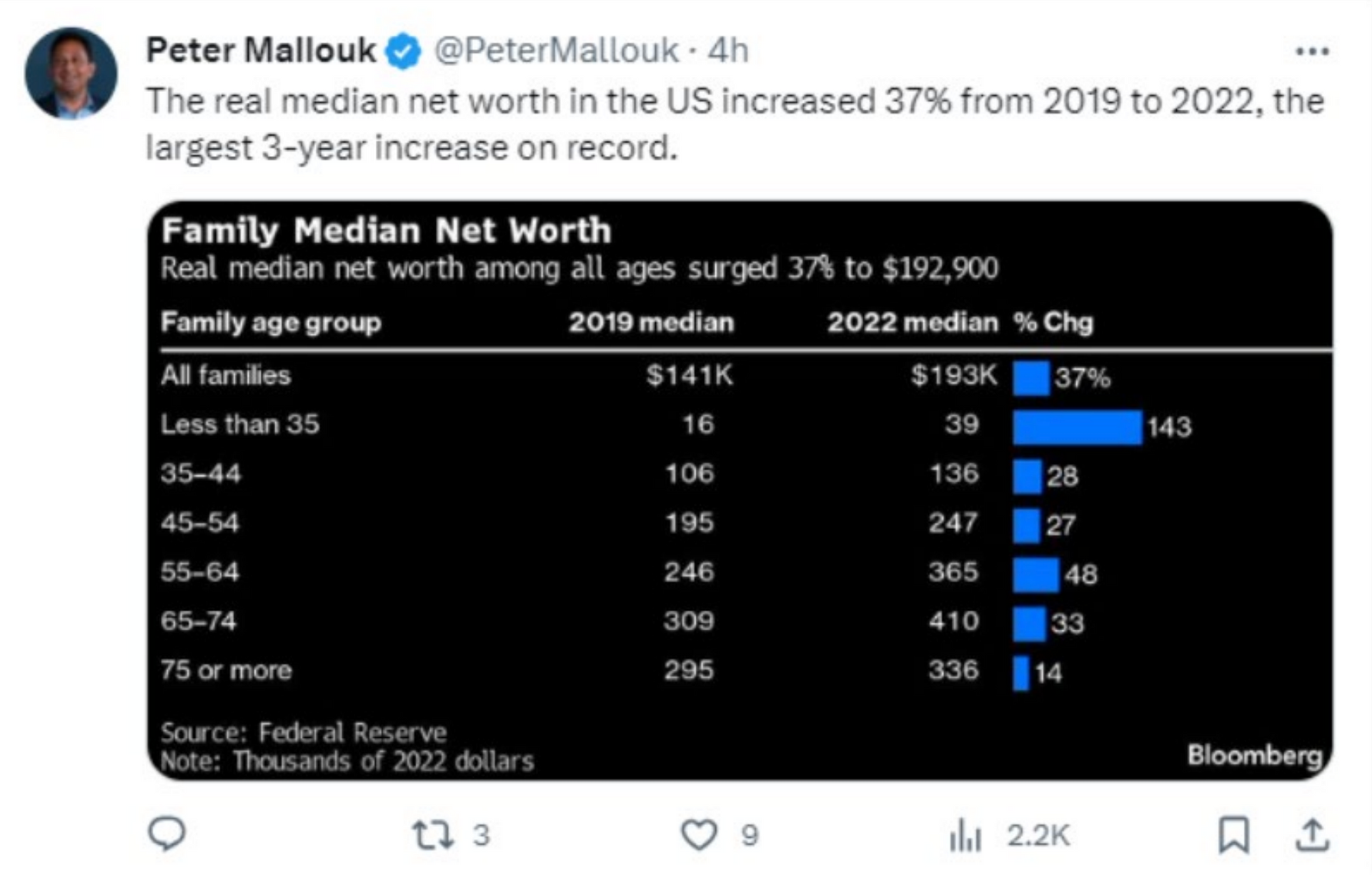
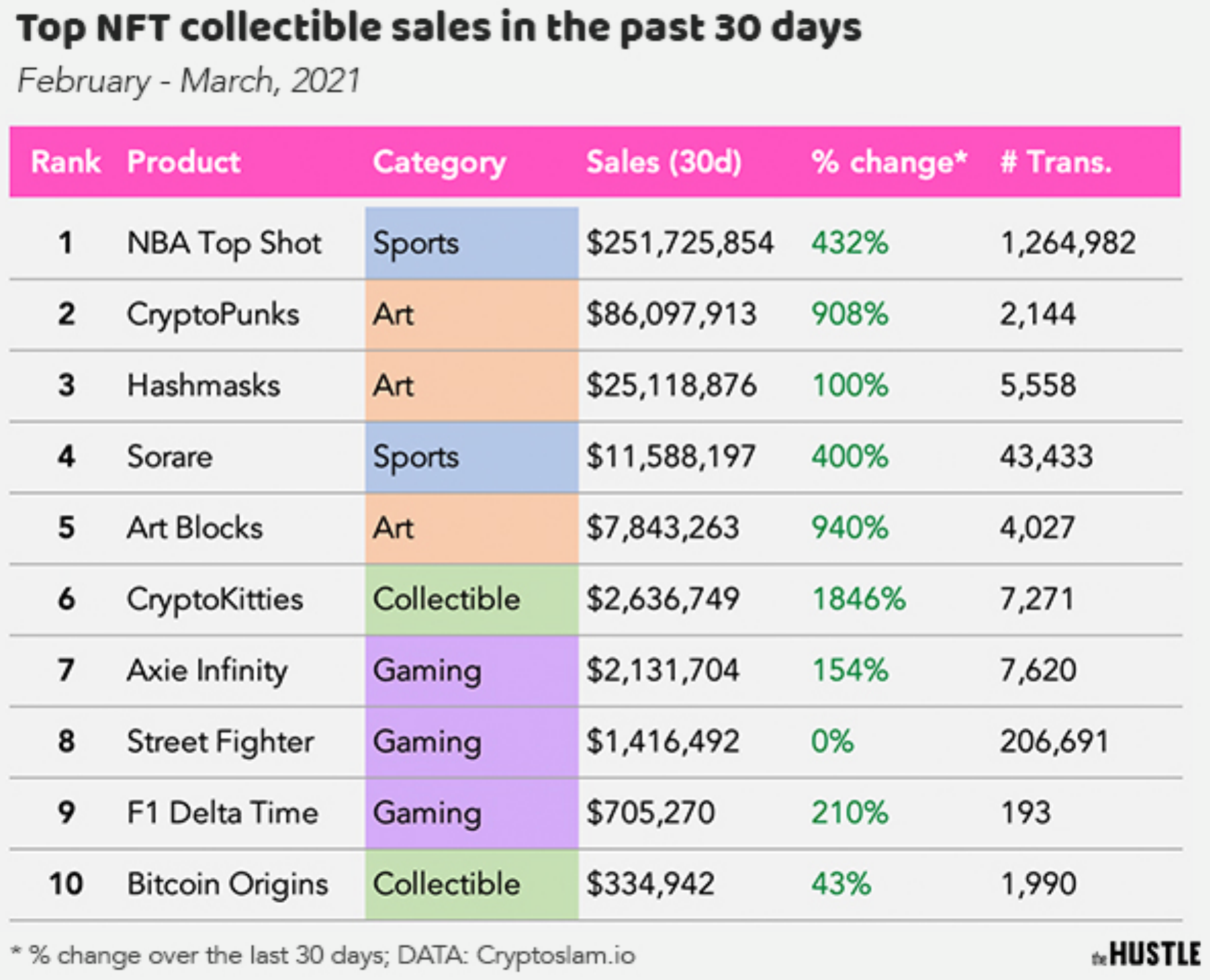
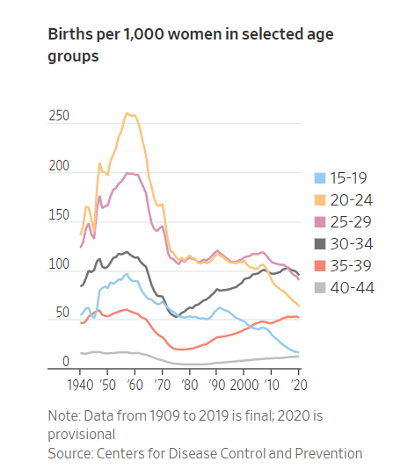
Since the early 1950s, when the index climbs more than 10% through June, it rises by a median of 10% in the second half, data compiled by Bloomberg.
Just remember, the beauty of American capitalism is creative destruction. Creative destruction is a concept in economics that describes a process in which new innovations replace and make obsolete older innovations.
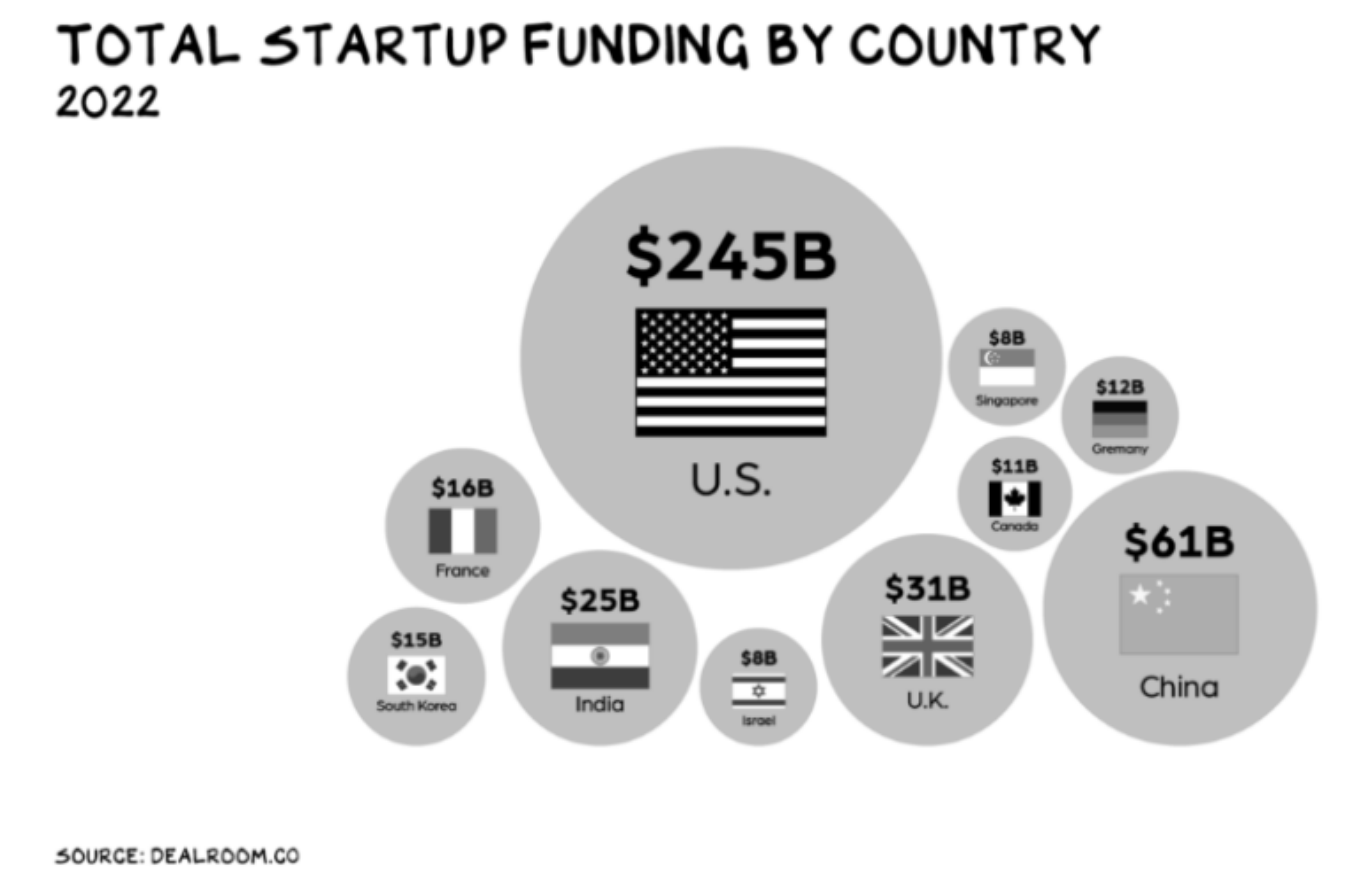
Half the companies in the Fortune 500 have disappeared since 2004, and only forty-nine companies have been on the list for all 70 years. In two decades, half of the biggest companies in America have merged, bankrupted, or closed. For start-ups, the failure rate is 90%, while about 50% of small private companies fail within five years. This entrepreneurial spirit is what separates the U.S. from the rest of the world.
This is also why stock picking is so hard. Most stocks not only underperform the market but also underperform Treasury bills.
Thirdly, construction of new U.S. homes fell by 5.5% in May to the lowest level in four years, as reported by CNN. Sales of newly built homes, which constitute about 10% of the market, dropped sharply by 11.3% in May compared to the previous month, totaling 619,000 units according to government data released Wednesday. This decline marks the steepest monthly drop since September 2022 and brings sales to their lowest level since November. May's figure fell short of the 647,500 units projected by economists in a FactSet poll.
Mortgage rates peaked in early May, the highest of the year, and have since moderated. Borrowing costs are expected to ease somewhat this year, although Federal Reserve officials have only penciled in one rate cut for the year. Inflation will likely need to continue moving closer to the Fed's 2% target before the central bank considers lowering interest rates, with some officials suggesting the possibility that no rate cuts may occur this year. CNN Source
The U.S. faces a shortage of homes for sale, although inventory is showing its first increase in five years. New home sales have declined, underscoring the sector's significance to the American economy. The Fed is wary of being slow to respond, particularly given that homeowners vote at significantly higher rates than non-homeowners.
If you want to alienate the American public, bring disorder to the housing market: thirty-two trillion reasons why below.
American Home Equity $32 Trillion…Added $12 T Since 2019
By Ben Carlson America’s Piggie Banks Are Full The pandemic housing boom means Americans have more home equity than ever. Households have added $12 trillion in home equity since the end of 2019:

Bespoke Investment Group https://www.bespokepremium.com/
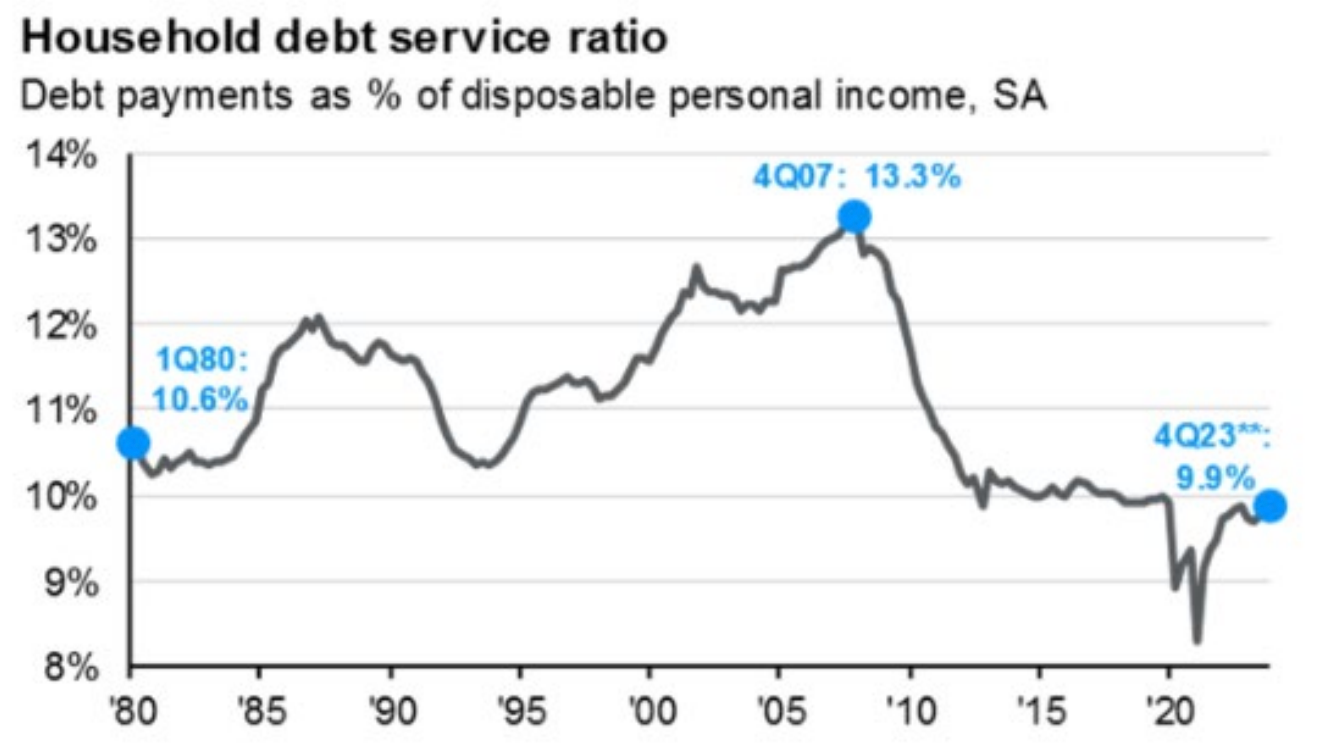
I have no idea when the Fed will lower rates, but here are four reasons why they should:
Firstly,
the U.S. government is currently paying $1 trillion annually in interest payments at these levels; in 2020, it was half that amount.
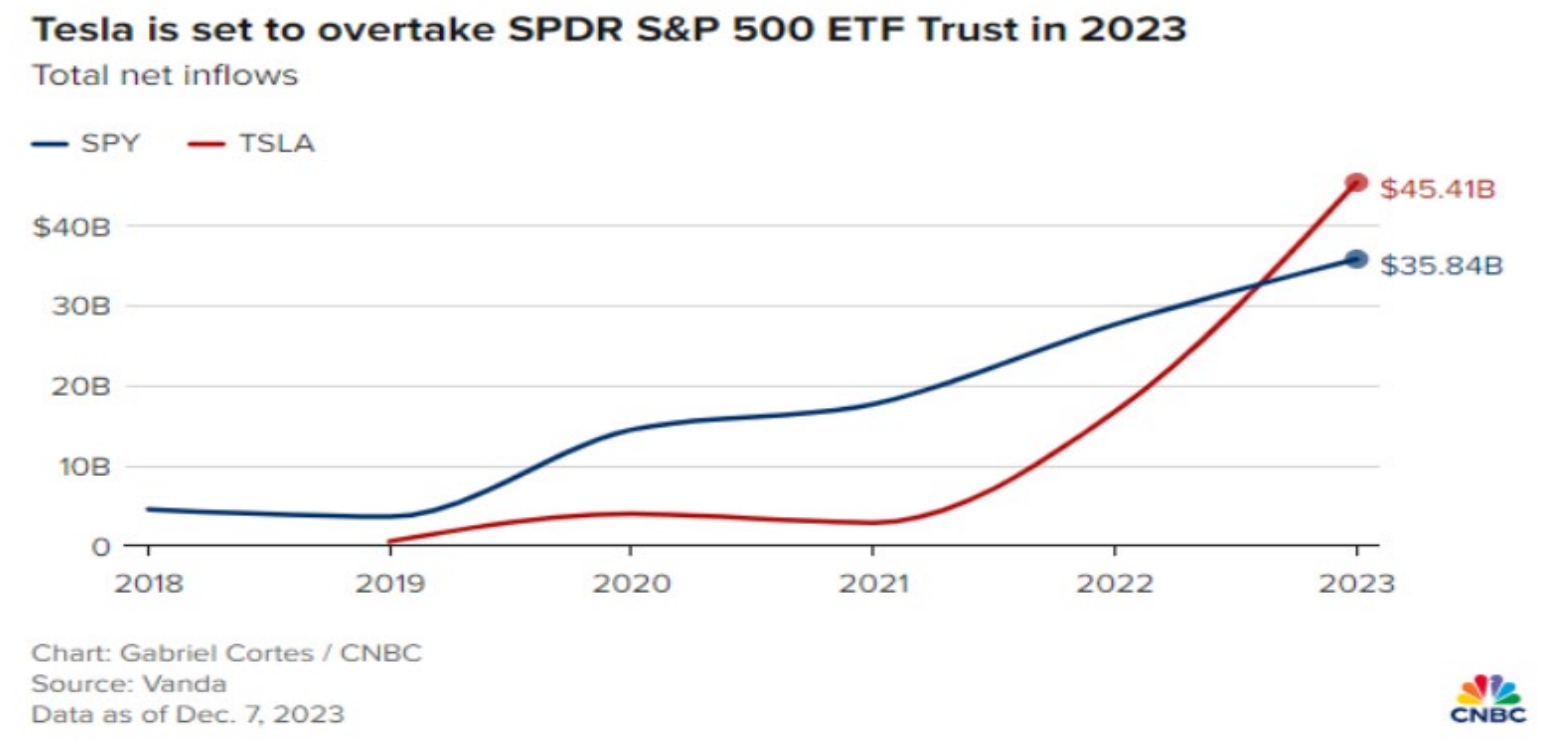
Source: @kakashiii111 @NewLowObserver
Part III: Will the Fed Lower Rates?
Imagine a scenario where stocks have been down for 40 out of the past 41 months. While that might seem implausible, it's a reality in the world's largest and most significant market. U.S. Treasury bonds with maturities of 10 years or more have also experienced a downturn for 40 out of the last 41 months, marking an epic bear market in bonds. Lowering rates could potentially alleviate these pressures.
Especially important, none of the above are a recommendations for you to buy or sell any security. This is for information purposes only. Please talk with your advisor regarding any advice around the subject matter and your goals.
C’mon Matt, just buy tech stocks and die rich. If you bought the Nasdaq in 1999, you did nothing for 14 years, then quintupled your money in the next 10 years. We've been on a euphoric run since the Great Fiscal Crisis of 2008, but markets are not straight-line rides. The good news is it is not 1999.
I mentioned the Nasdaq and S&P making new highs. It is important to understand that new highs in the stock market are not bearish. As you can see from the following chart, we have witnessed 1,434 new highs since 1950. I have no idea what will happen in the short term, as stocks are not cheap, but new highs are not a reason to sell.
Conclusion
The U.S. stock market continues its dominant position globally, driven by the resilient technology sector. It has withstood challenges including a modern-day pandemic, geopolitical conflicts, financial crises, misleading recession indicators, and unprecedented political drama.
Will the bull market eventually end? Undoubtedly. However, should you dwell on its potential end? No. Focus instead on excelling in your profession and imparting these valuable lessons to the next generation:
- Warren Buffett aptly calls compounding the eighth wonder of the world. Educate yourself on compounding charts.
- Understand the Rule of 72.
- Investing is a psychology game not an IQ game, check your emotions at the door. See introduction this letter.
- Remember Benjamin Franklin's wisdom: "If you fail to plan, you are planning to fail."
Sweet Emotion
Song by Aerosmith
Sweet emotion
Sweet emotion
You talk about things that nobody cares
Wearing out things that nobody wears
You're calling my name but I gotta make clear
I can't say, baby, where I'll be in a year
Unsustainable Values:
Interesting to reflect on this piece of historical art — while the internet would a decade or so later become ubiquitous and a source of tremendous wealth and innovation, at the height of the dot com bubble it was pure hype at that stage… certainly relative to the valuations prevailing at that time.