Introduction
During the Covid lockdown, I watched all the classics from my youth including The Warriors. This cult classic covered the gang culture in New York during the 1970’s. Hundreds of gangs and the police were chasing one Coney Island group called The Warriors. Popular local DJs in New York put out the dispatch warning to The Warriors by playing the classic song “Nowhere to Run.” You know your old when 40th anniversary celebrations of the movie are advertised.
But like The Warriors, investors had nowhere to hide their money as cash is the best performing asset in 2022. Stock market volatility is to be expected but we witnessed a once in a lifetime bond crash that no modern-day investors ever experienced.
A lesson from my 25+ years investment experience: volatility equals opportunity and never follow consensus. Today consensus wants to buy one-year treasury bonds. In 2019 it was Bitcoin and during Covid it was disruptor stocks. Locking in guaranteed 4% return holding U.S. paper has replaced promised roads to financial glory like Bitcoin.
Retail investors are in textbook flight or fight response with headlines blaring recession, nuclear war, and U.S. civil unrest following mid-term elections. Citizens want their blankies and today that feeling of safety presents itself in short-term bonds.
Fear is contagious and the American investor class is now in full fear mode.
Nowhere to Run
Song by Martha and the Vandellas
Nowhere to run to baby, nowhere to hide
I got Nowhere to run to baby, nowhere to hide
It is not love I am runnin' from,
Just the heartbreak I know will come
Because I know you are no good for me (You're no good)
But you have become a part of me
The Warriors Movie (1979)
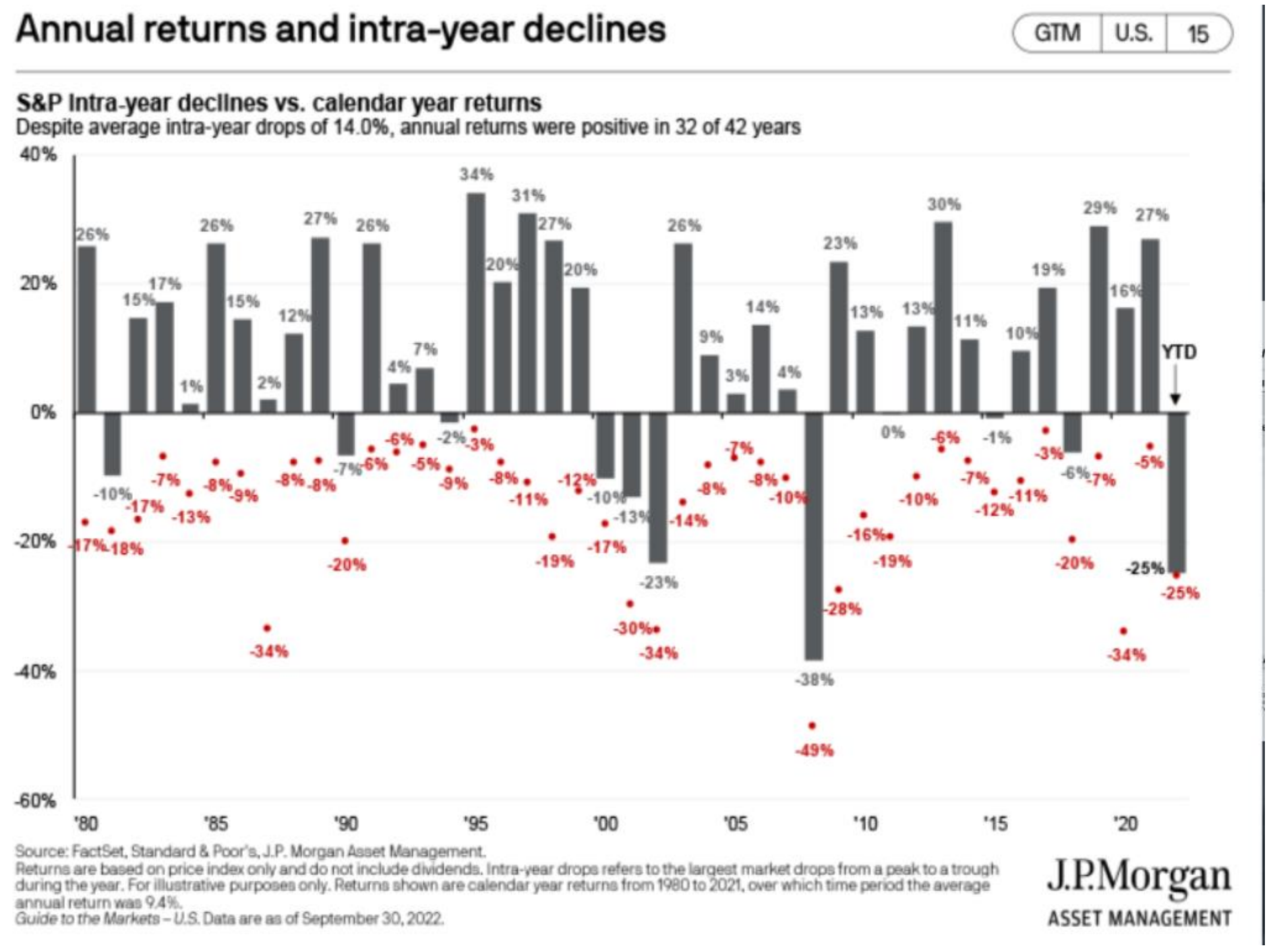
See two JP Morgan Asset Management charts below. The first one tells us that pullbacks are commonplace and bear markets happen on average every 4 years. The market has been positive thirty-two of last 42 years despite averaging a -14% drop per year. The U.S. investor has frequently felt surrounded, but the free market wins out in the end.
From JP Morgan Guide to the Markets
These probabilistic return assumptions depend on current market conditions and, as such, may change over time.
IMPORTANT: The projections and other information generated by the Vanguard Capital Markets Model regarding the likelihood of various investment outcomes are hypothetical in nature, do not reflect actual investment results, and are not guarantees of future results. Distribution of return outcomes from the VCMM are derived from 10,000 simulations for each modeled asset class. Simulations are as of March 31, 2019. Results from the model may vary with each use and over time.
Following up on GROG (Inflation)
Second Quarter Letter on GROG – click here
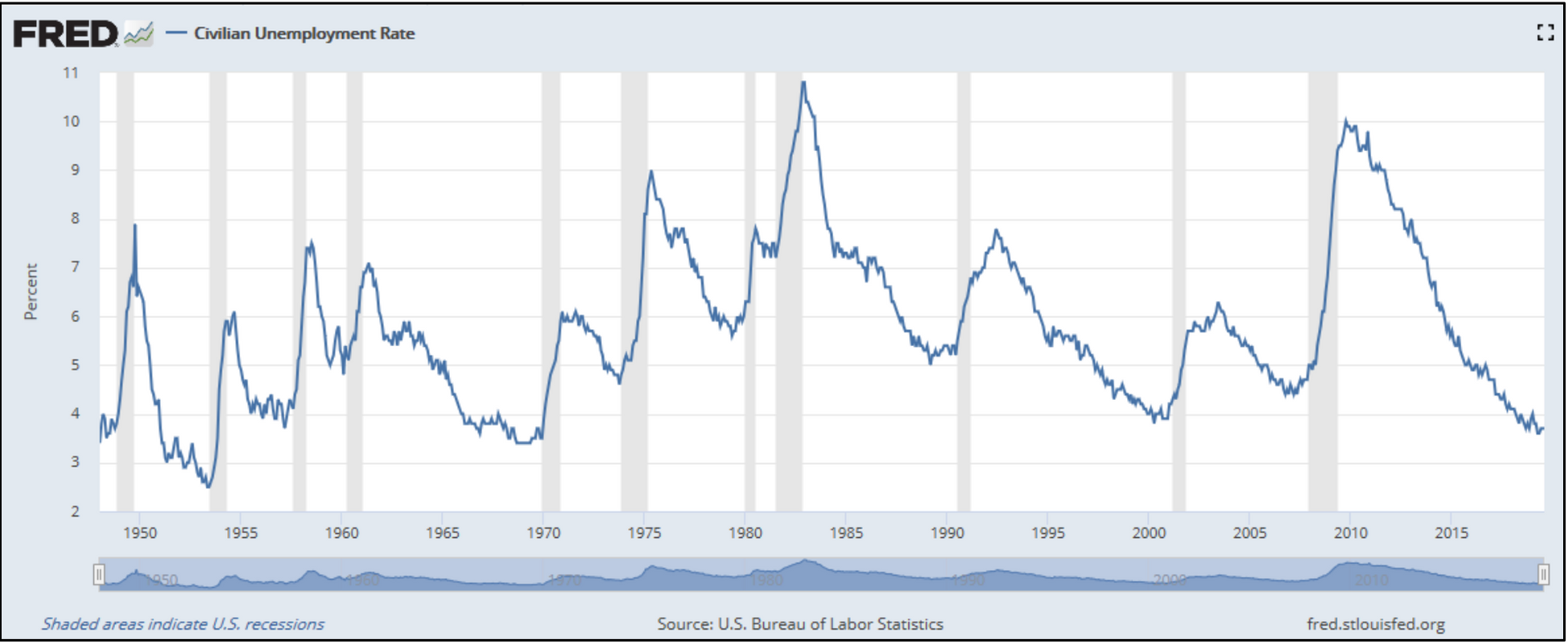
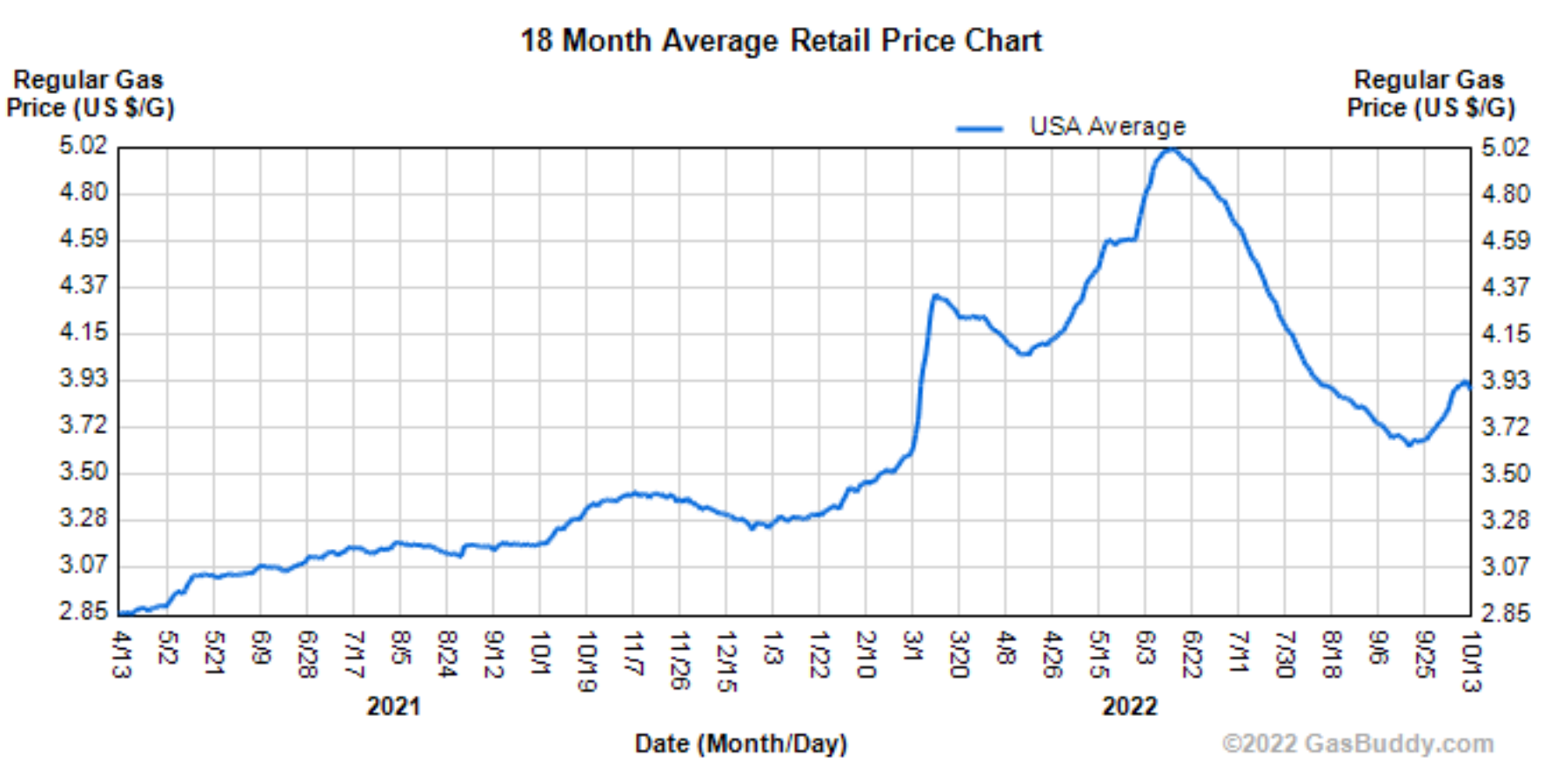
I wrote in my second quarter letter that Americans were suffering from inflation GROG. So let us update the GROG pricing. Gas prices, rent, off-time and groceries (GROG) were eating into the American paycheck, but inflation is peaking as we speak.
G
as Prices -25% from Highs
On December 7th, 1999, Barron’s published the infamous “What’s Wrong,Warren” cover eerily before the Nasdaq crashed 50% and Berkshire recovered years’ worth of underperformance.
The below graph plots the time period 6/30/98 through 2/29/00 for the Nasdaq where many dot-com and technology stocks traded, and the price of Berkshire Hathaway, Warren Buffett’s holding company, which consisted of value stocks:
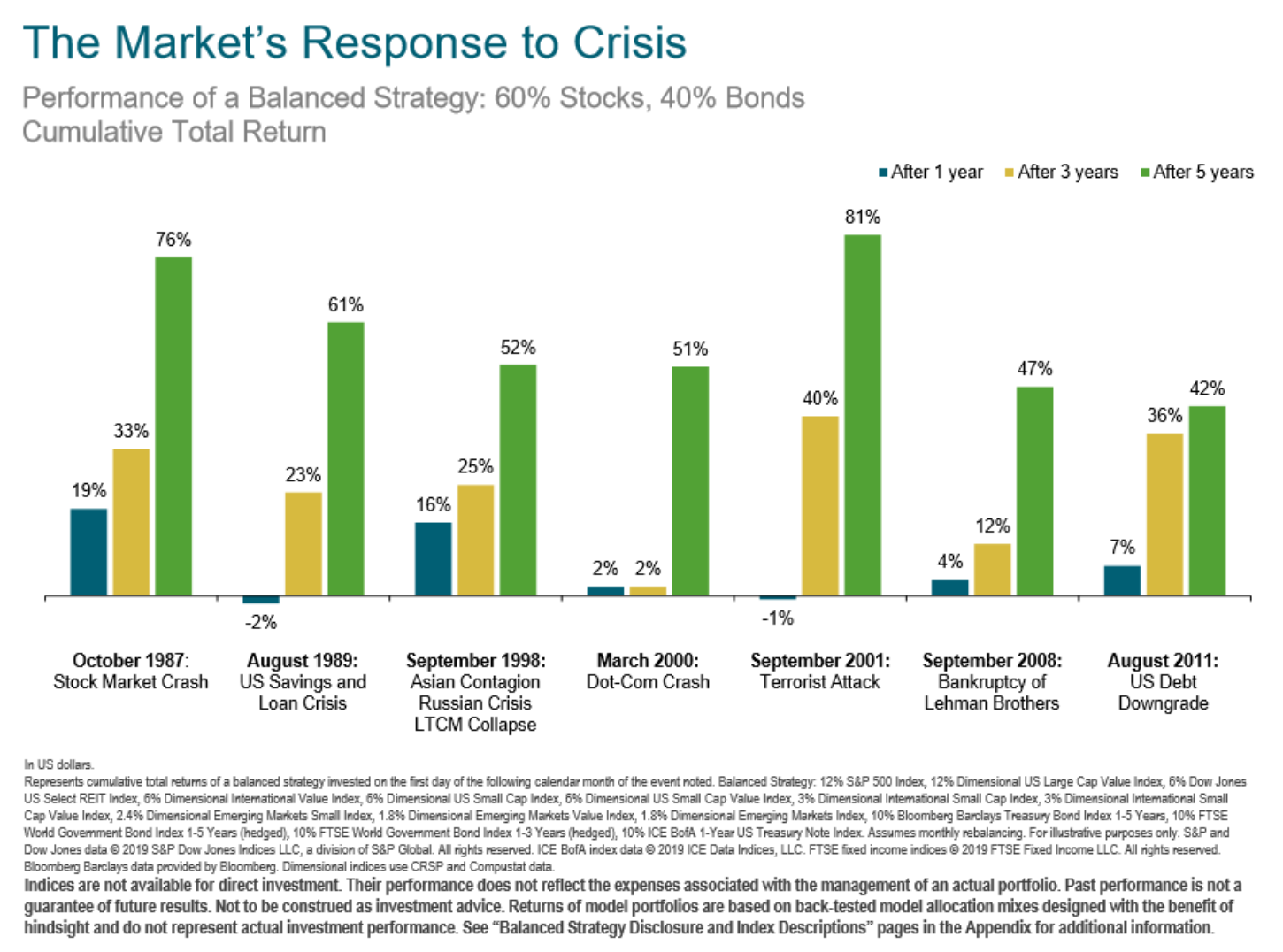
We have been here before. Yes there could be additional pain to come, but see 3 and 5 year returns post every modern day crisis. Just when you think we are surrounded and there is nowhere to run, the free markets win out.
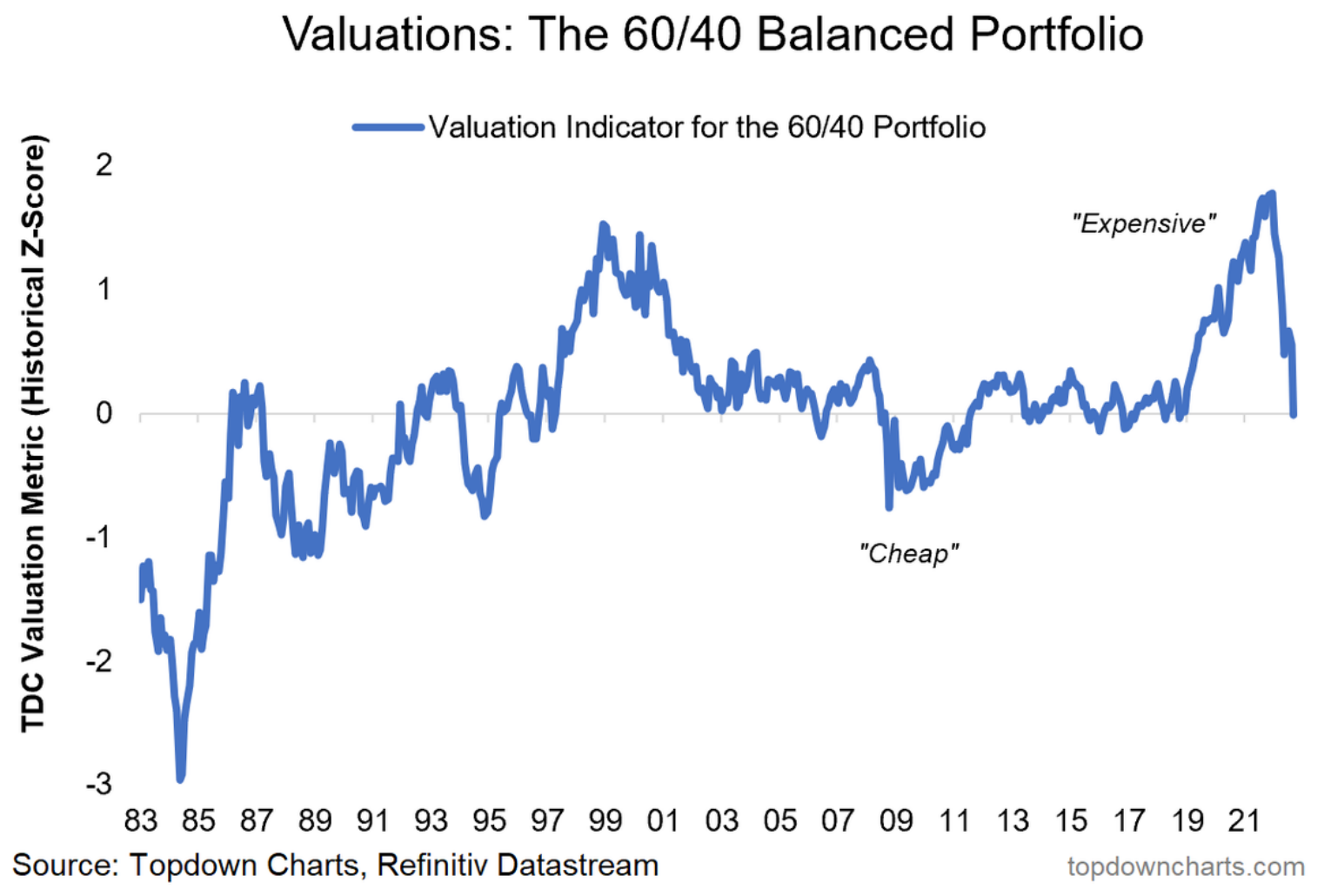
This combination correction in stocks and bonds returned the valuation of classic 60/40 portfolio back to its 25-year median valuation. See chart below as the only time it was cheaper was 2008 housing crisis.
Trading View Charts
https://www.tradingview.com/chart/
Bonds
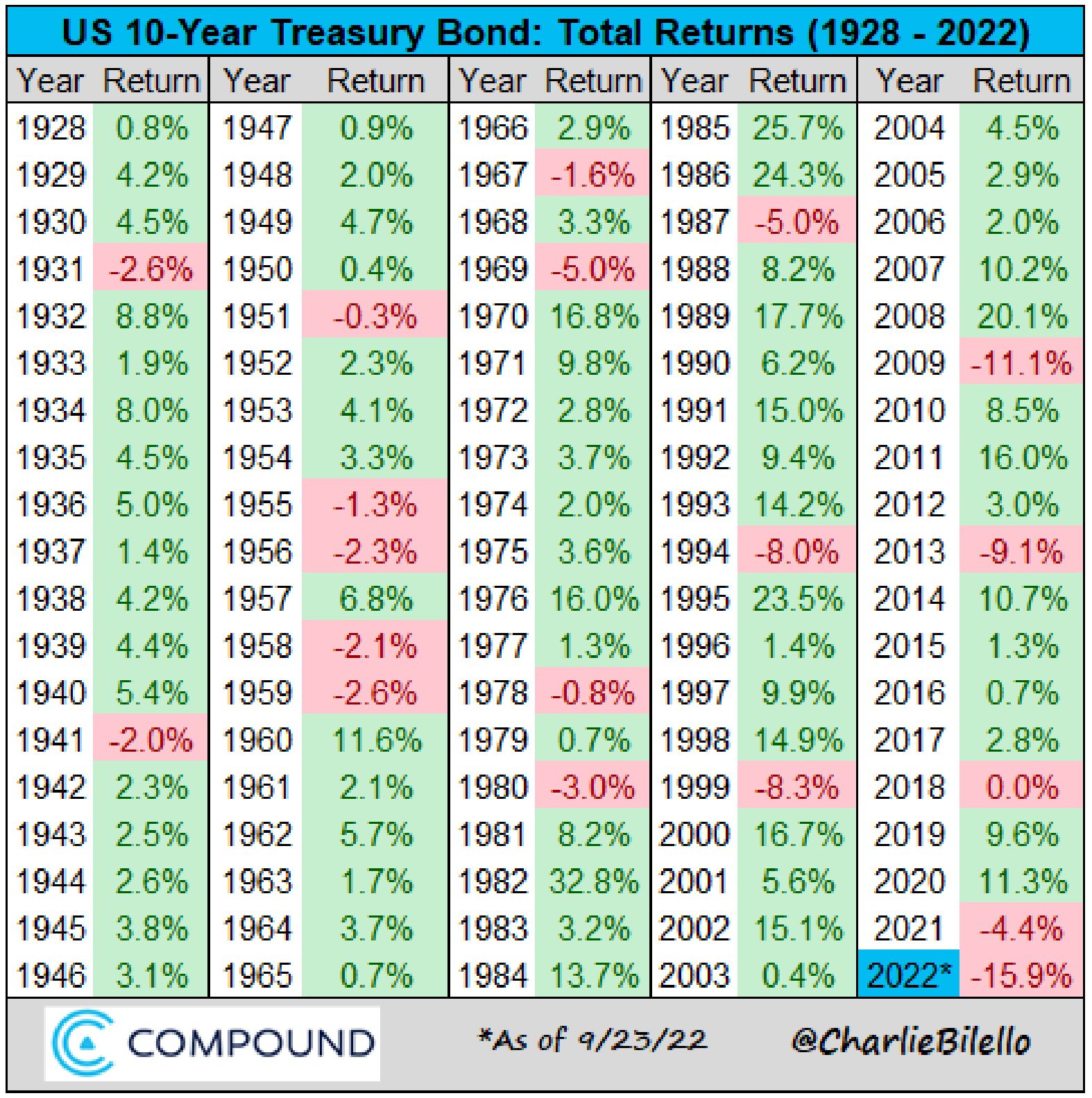
As you can see below, the 2022 sell off in bonds was unprecedented going all the way back to 1929. Some consider the “safest” asset in the world to be the 10-year U.S. Treasury bond, but this secure piece of paper left investors -20% in a two-year period.
From Charlie Bilello Worst Year in History = Better Years Ahead
The 10-Year US Treasury bond is on pace for its worst year in history with a loss of 15.9%.
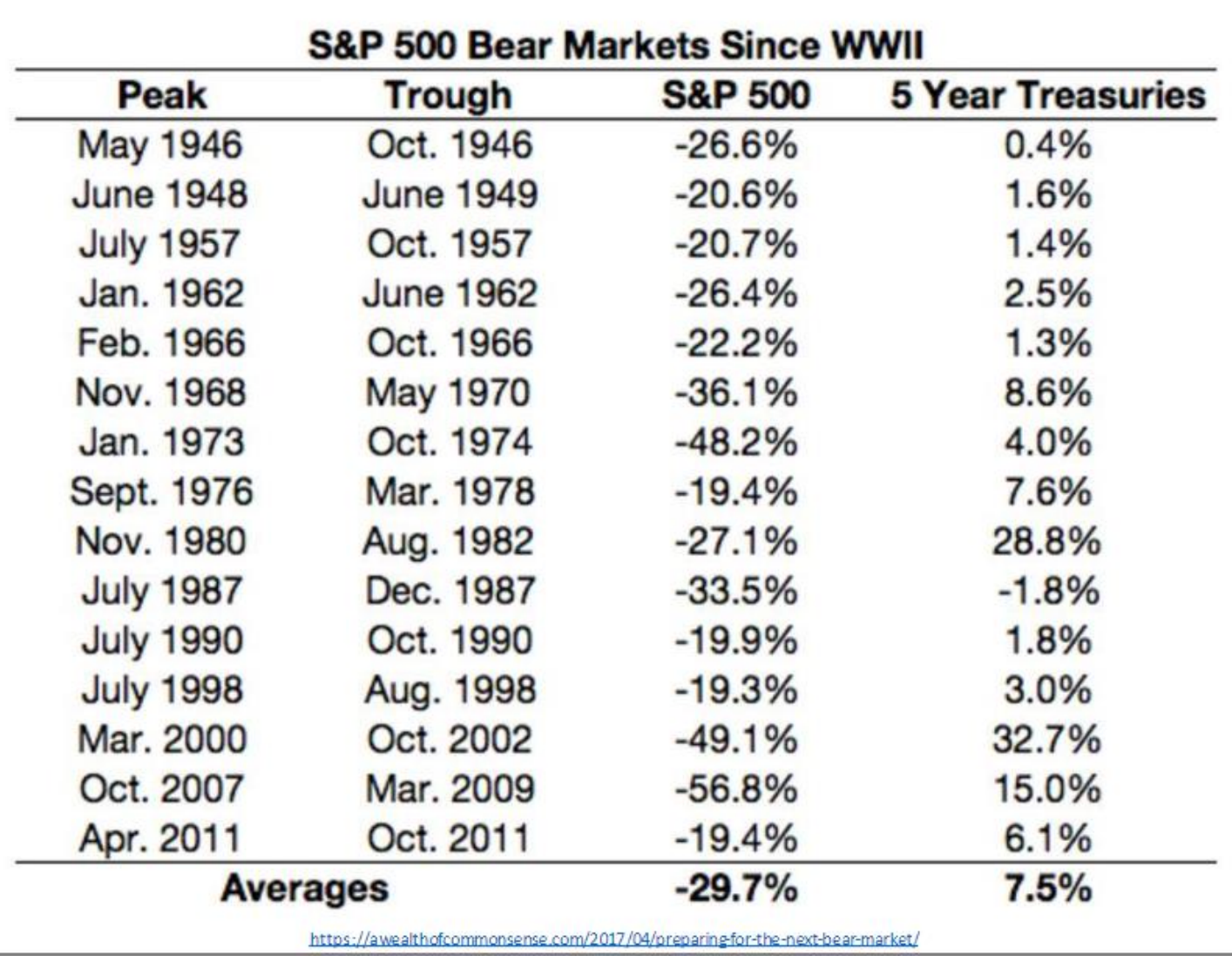
The bond crash was painful in its own right but the real destruction came from U.S. treasuries failing in its central task of protecting investors during a stock bear market. Here is a history of 5 year Treasury performance during stock bear markets since WW II. As you can see, government paper acted as the buffer for stock market corrections, especially our two modern day crashes, the internet bubble in 2000 and the Great Financial Crisis in 2008. The 5 year treasury gained 32.7% in the year of internet bubble and 15% during 2008 housing crisis. The bond/stock action in 2022 is unprecendented in modern times.
Conclusion
The “I called the top army” is coming out of their caves post stock/bond crash. Every pundit who was predicting market Armageddon for 10 years is now taking credit for calling the top. One of my favorite reads is always Howard Marks letters at Oaktree. His last essay mentions the “I know” school of investing.
Howard Marks
It is easy to identify members of the “I know” school:
- They think knowledge of the future direction of economies, interest rates, markets and widely followed mainstream stocks is essential for investment success.
- They are confident it can be achieved.
- They know they can do it.
- They are aware that lots of other people are trying to do it too, but they figure either (a) everyone can be successful at the same time, or (b) only a few can be, but they are among them.
- They are comfortable investing based on their opinions regarding the future.
- They are also glad to share their views with others, even though correct forecasts should be of such great value that no one would give them away gratis.
- They rarely look back to rigorously assess their record as forecasters.
“Confident” is the key word for describing members of this school. For the “I don’t know” school, on the other hand, the word – especially when dealing with the macro-future – is “guarded.” Its adherents believe you cannot know the future; you do not have to know the future; and the proper goal is to do the best possible job of investing in the absence of that knowledge.
https://www.oaktreecapital.com/insights/memo/the-illusion-of-knowledge
Put me in the “I don’t know the future” school but we can use probabilities and math to guide us beyond the next 6-12 months.
1. After 25-30% corrections, odds are in investors favor that 3- and 5-year returns for the stock market will be positive.
2. Valuations of stocks have pulled back to 25-year median in the S&P, valuations are below 25-year median in small/mid cap stocks, and we are at record low valuations in international stocks.
3. Bonds now pay actual coupons; you can lock in 4% return with no risk in some U.S. treasuries. Forward returns across the bond investing universe look much better than one-year ago.
4. The housing market has cooled off but there is still a lack of supply, low leverage and many existing mortgages locked in below 4% so it is not 2008.
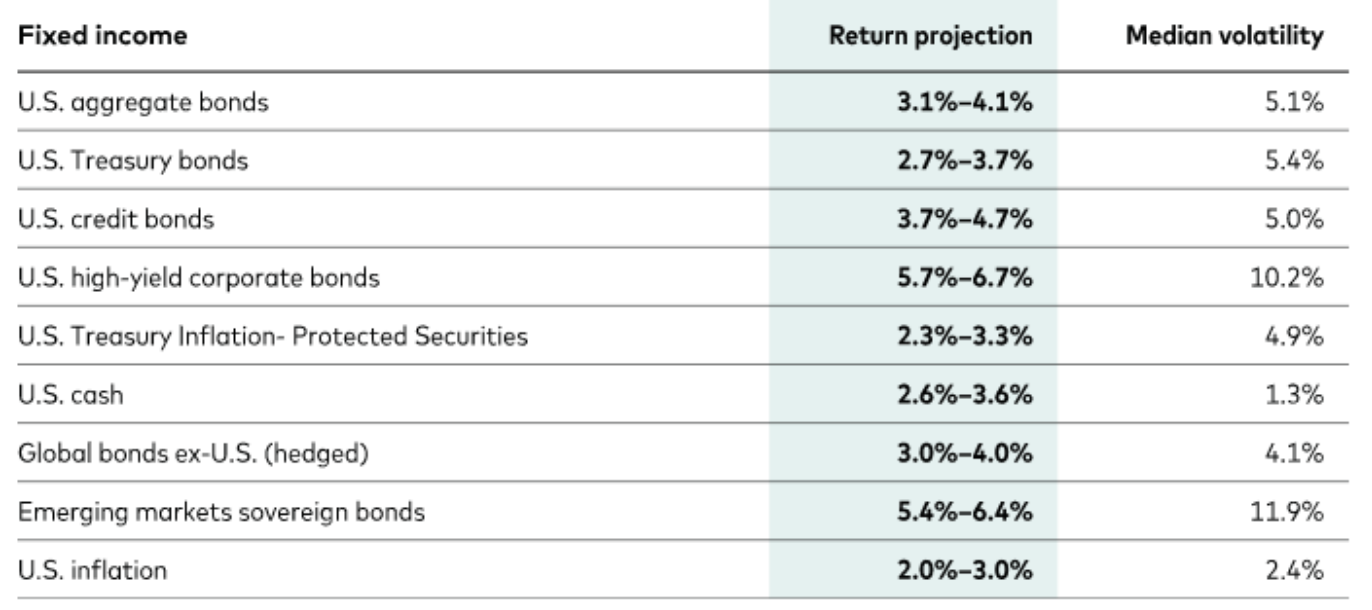
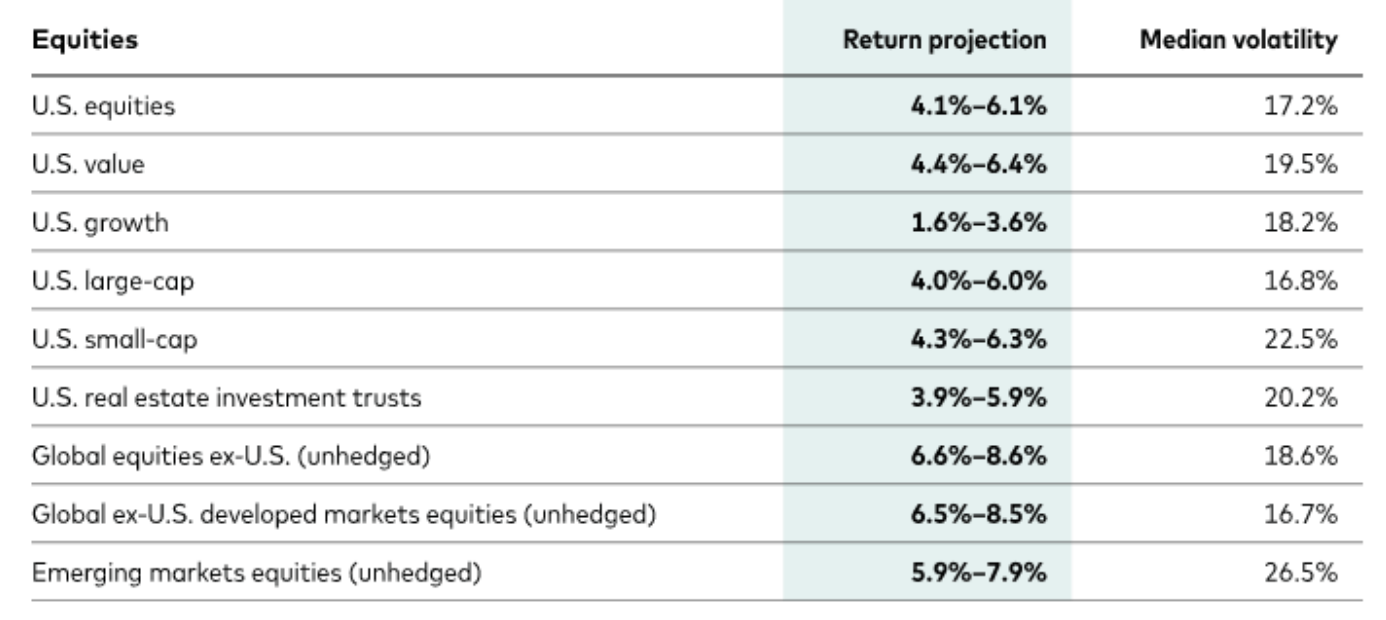
5. The math from Vanguard on forward 10-year returns has improved as valuation have corrected. But as mentioned in all my letters for the last two years, the next 10 years returns will be acceptable but not double digit.
6. The best long-term returns come from being greedy when other people are fearful.
Right now American retail investor sentiment is at max-fear. Could we go lower? Definitely. But investing for the next 3-5 years has gotten much more attractive with some sectors trading at discounts.
Vanguard-10 Year Forward Asset Returns
Our 10-year, annualized, nominal return projections, as of June 30, 2022, are shown below. Please note that the figures are based on a 1.0-point range around the rounded 50th percentile of the distribution of return outcomes for equities and a 0.5-point range around the rounded 50th percentile for fixed income.
Here is my 4th Quarter 2021 letter discussing “get ready for lower returns.” – click here
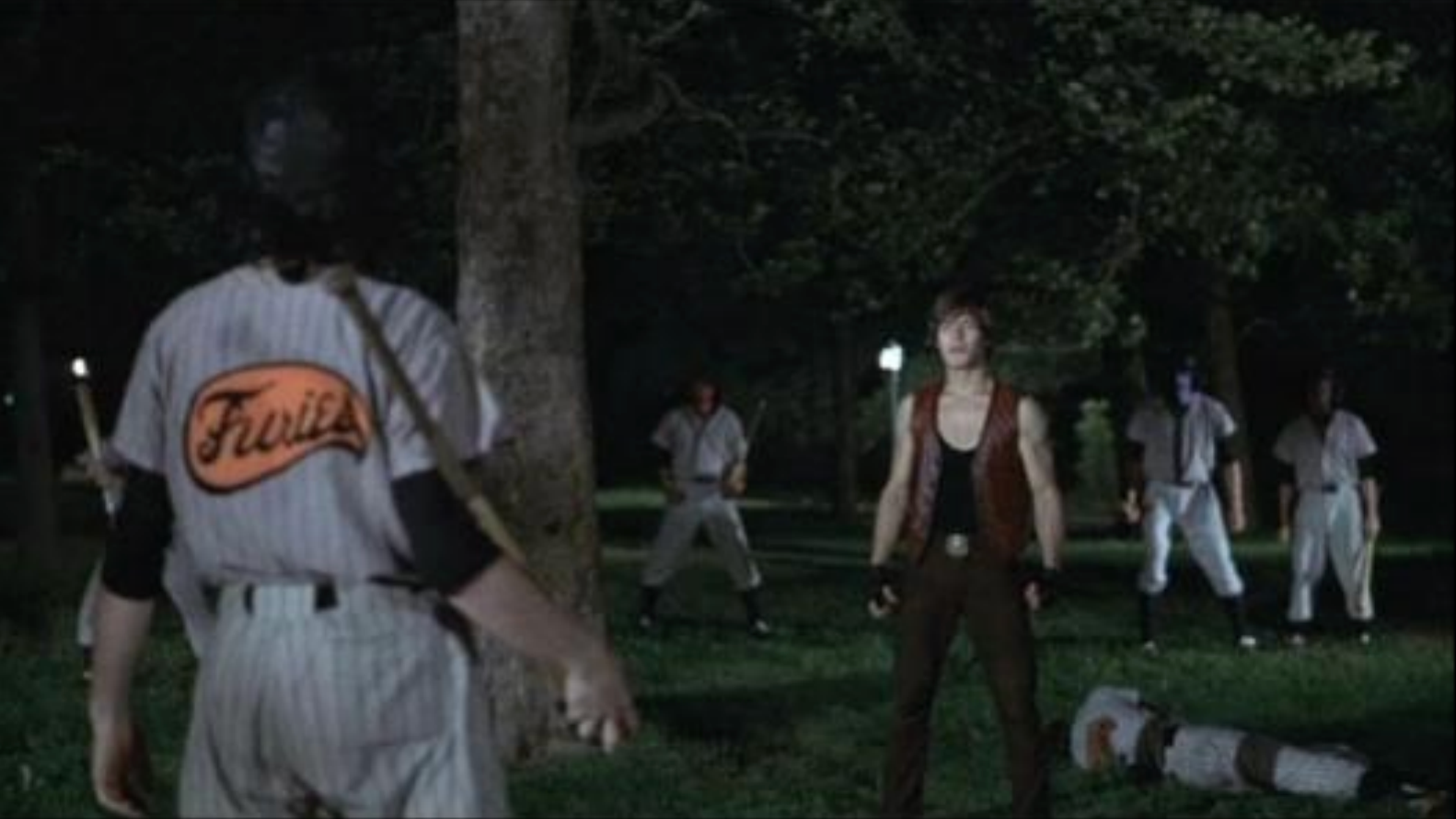
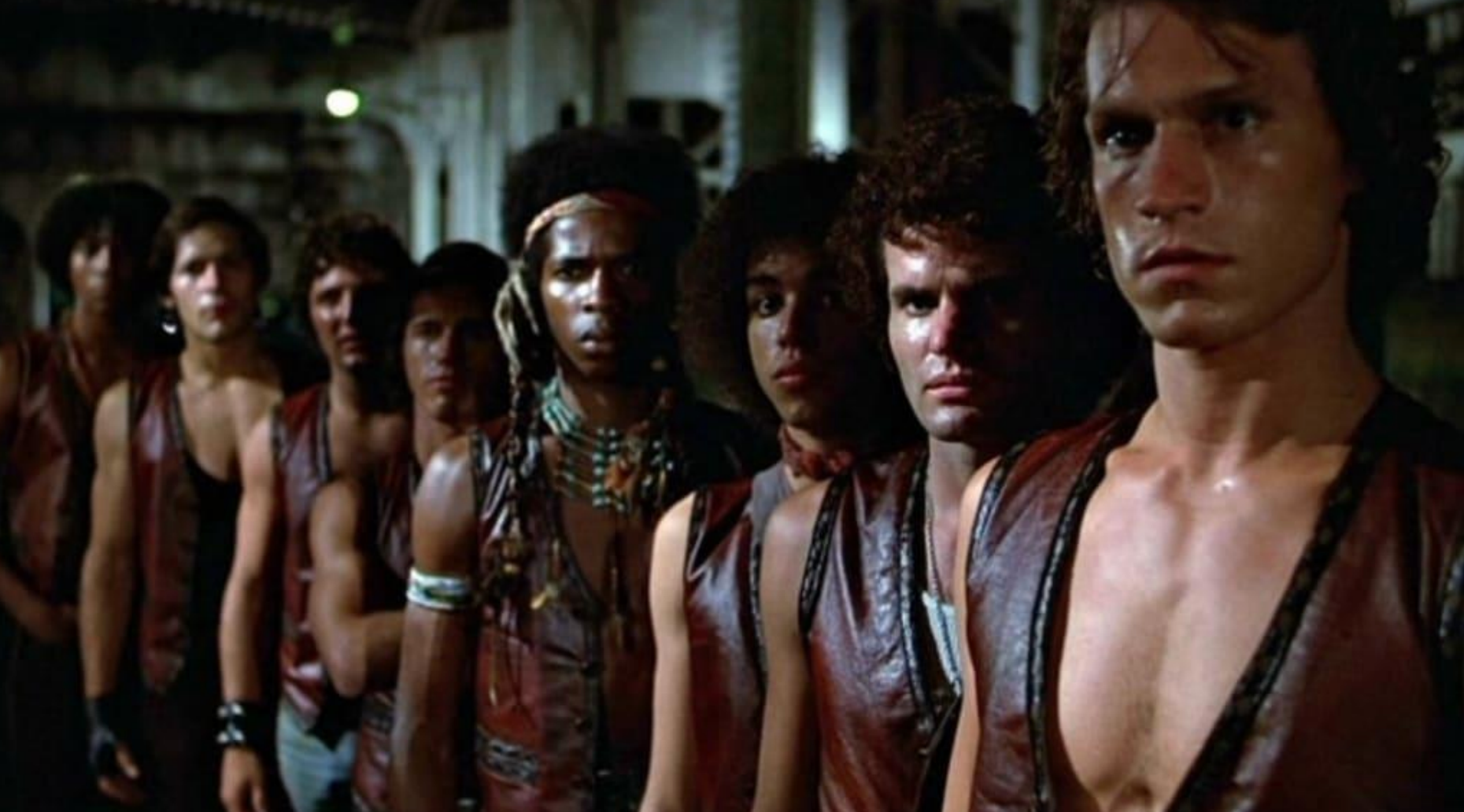
Below is Ajax in the brown vest representing The Warriors. The Furies surround him - a baseball bat carrying gang who think they have him cornered. American investors feel surrounded with no way out but like Ajax, America always finds a way to survive and prosper. A Lansing Street mantra is “investing is a psychology game not an IQ game”. Investors leading with emotion in a downturn can have serious negative consequences to long-term wealth.
Leveraged loans are up 50 percent since 2015
Leveraged loans, which are issued by overleveraged companies with insufficient cash flows, are part of what Wolf Richter recently called the “gigantic pile of risky corporate debt that is now being brutally repriced as concerns over credit risk (the risk of default) are finally bubbling to the surface.” According to Richter, the S&P/LSTA US Leveraged Loan 100 Index, which tracks the prices of the largest leveraged loans, has plunged by 20 percent since February 22nd.
According to Richter, leveraged loans “are traded in slices like securities or are packaged into highly rated Collateralized Loan Obligations (CLOs). But for years, investors had the hots for them, driven by their relentless chase for yield, in a world of interest rate repression.”
These companies, noted Richter, were often acquired by private equity firms through leveraged buyouts, which means they loaded up those companies with lots of debt. In addition, “PE firms extracted special dividends from their companies,” which were funded by leveraged loans. That’s a form of asset stripping and it leaves the company “more leveraged, more precarious and more likely to topple. But who cares? Those were the good times and the chase for yield was on,” lamented Richter.
https://www.apartmentlist.com/blog
G
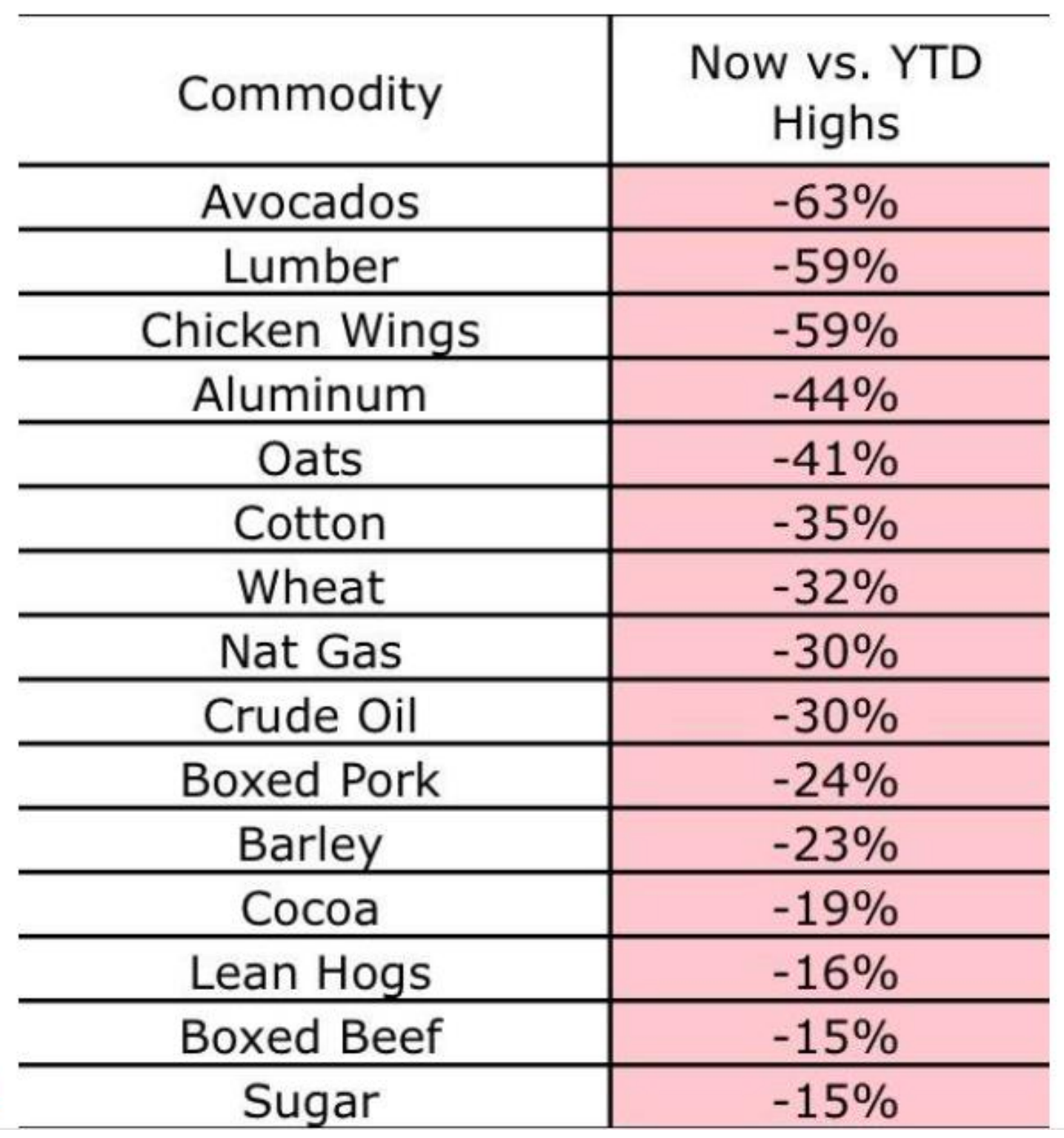
roceries-food prices are still high but see chart below that commodities are selling off quickly. At the same time, shipping costs have come down over -50% from highs. These factors take a few months to work their way through to the data but the highs in inflation are behind us. Expect some major holiday bargains as retailers have built up massive inventories that they need to discount.
Mid-Term Elections
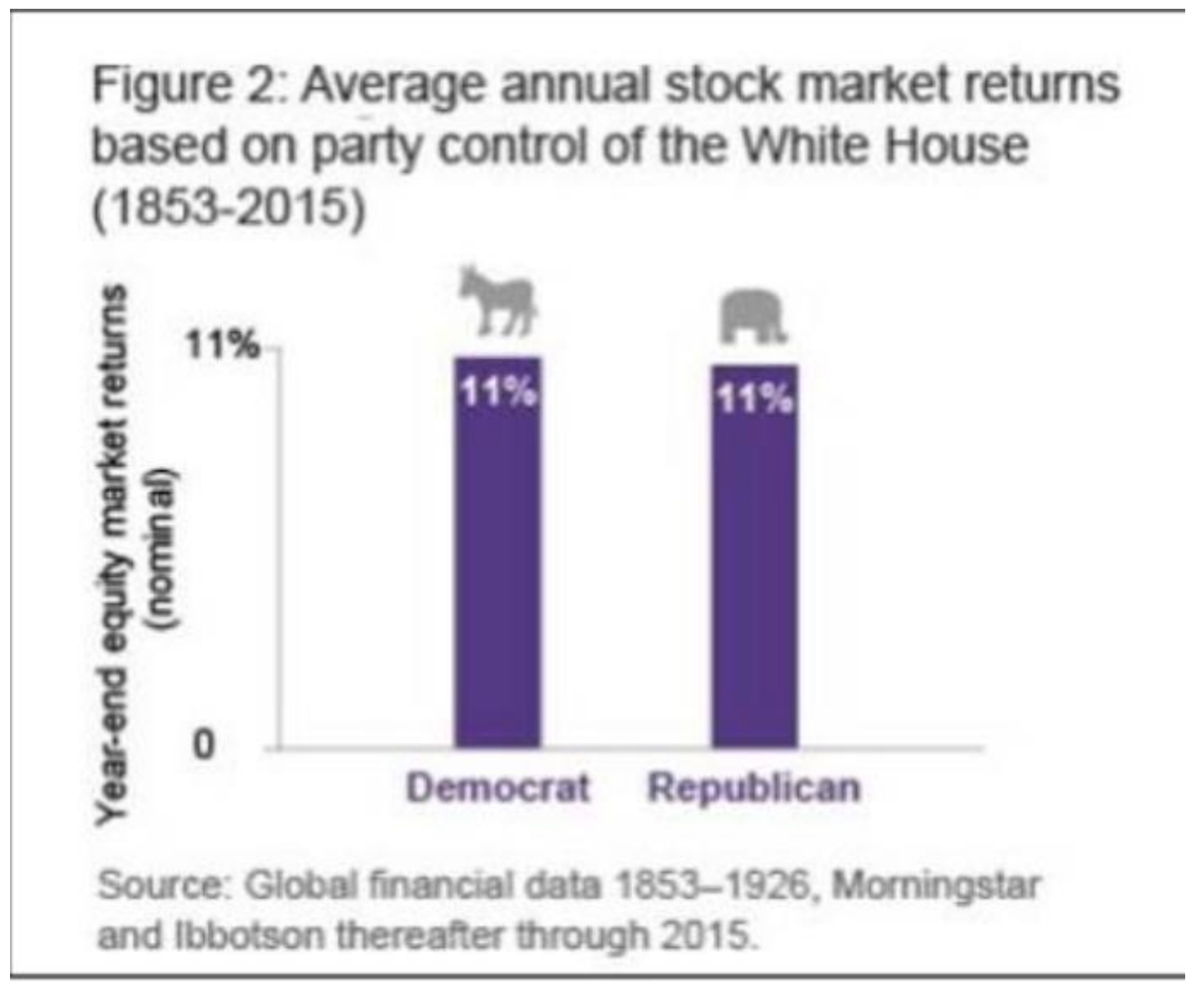
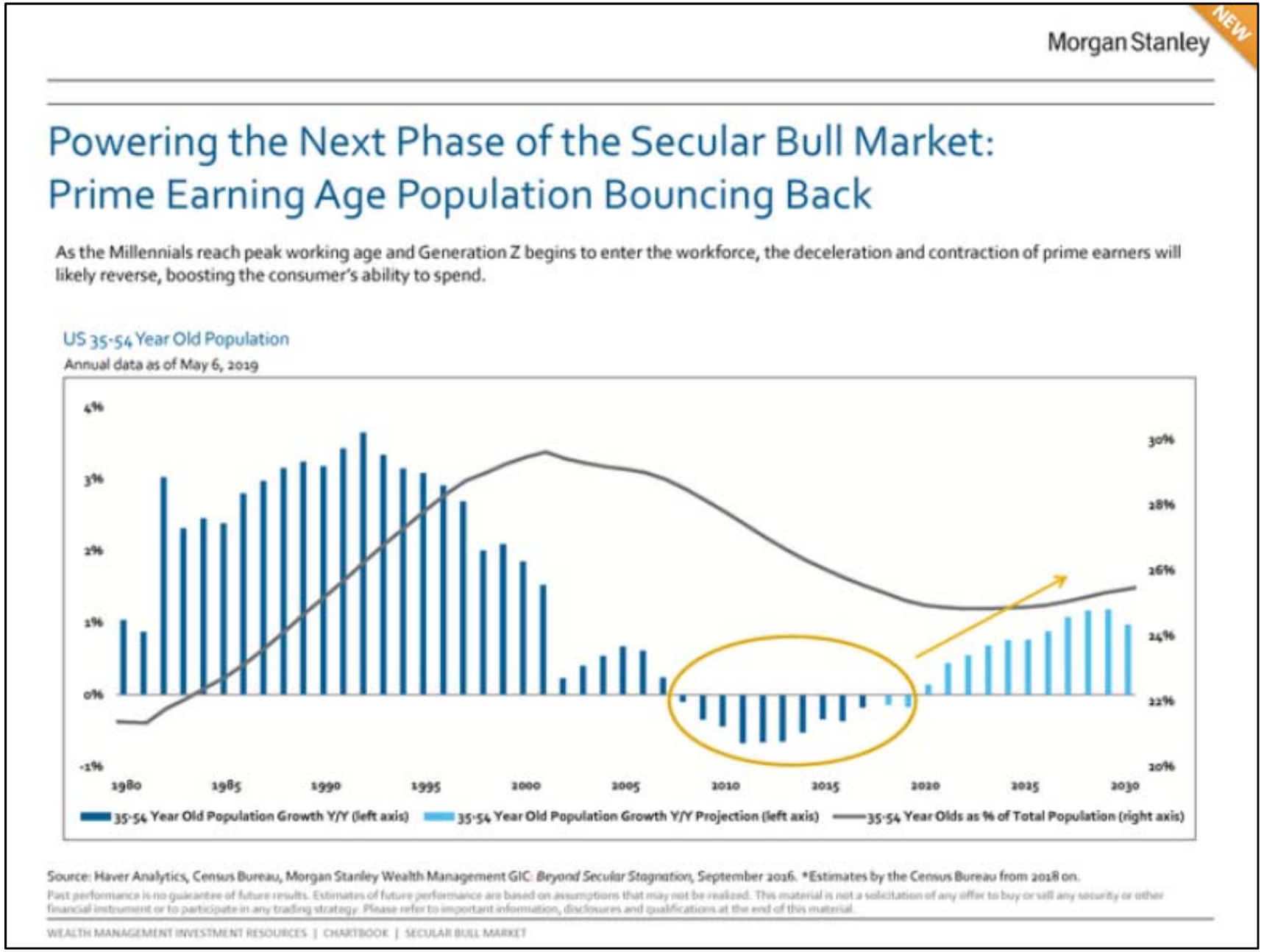
Contrary to popular belief, elections have little effect on markets outside of short-term volatility. It is great to be passionate about your country and your party but don’t let your politics run your investment portfolio.
Do not be this person
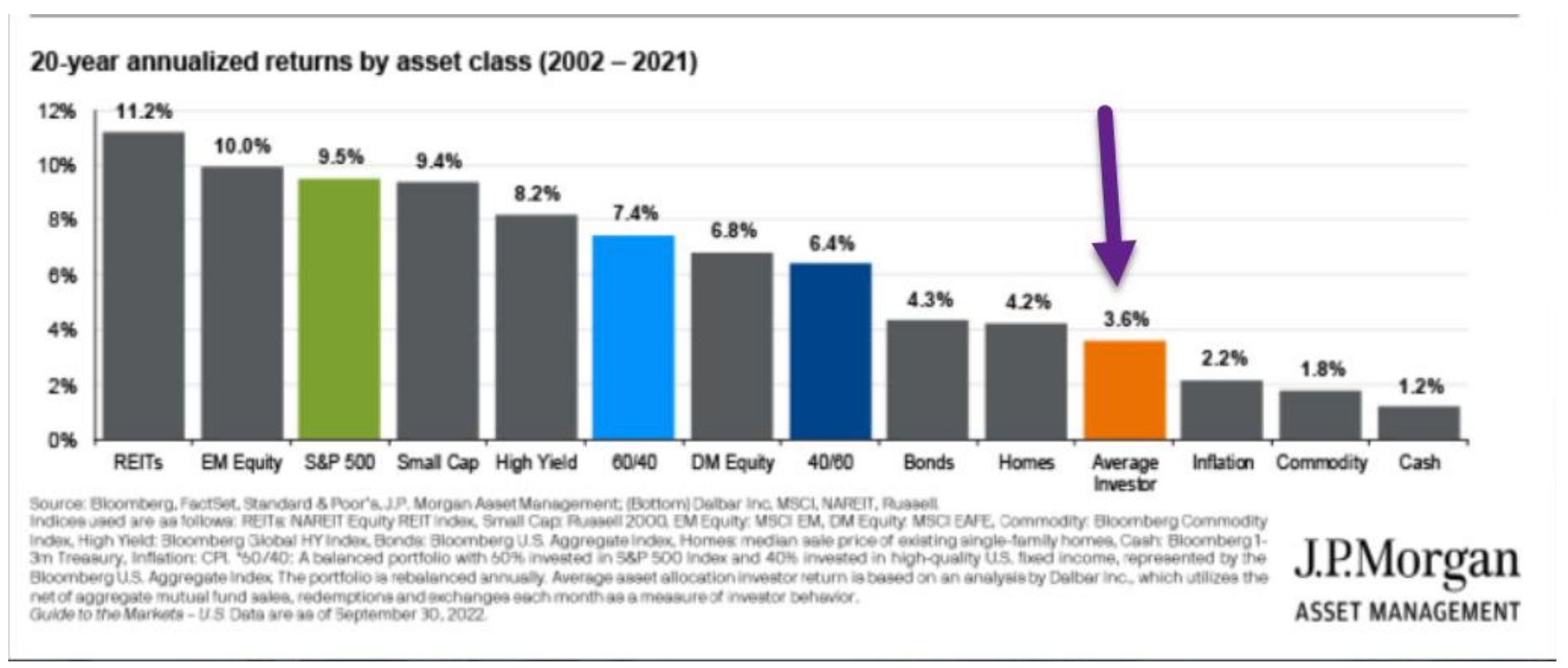
Here is JP Morgan chart showing asset class returns for the last 20 years, see purple arrow pointing to average U.S. investors abysmal performance. This happens when investors get emotional in years like 2022, selling at the wrong time and missing a handful of the best days can destroy a decade of performance. Remember fear is contagious.
Disclosures
Lansing Street Advisors, LLC is a registered investment advisor with the State of Pennsylvania. You can read more about the Lansing team at www.lansingadv.com .
To the extent that content includes references to securities, those references do not constitute an offer or solicitation to buy, sell or hold such security as information is provided for educational purposes only. Articles should not be considered investment advice and the information contained within should not be relied upon in assessing whether to invest in any securities or asset classes mentioned. Articles have been prepared without regard to the individual financial circumstances and objectives of persons who receive it. Securities discussed may not be suitable for all investors. Please keep in mind that a company’s past financial performance, including the performance of its share price, does not guarantee future results.
Material compiled by Lansing is based on publicly available data at the time of compilation. Lansing makes no warranties or representations of any kind relating to the accuracy, completeness or timeliness of the data and shall not have liability for any damages of any kind relating to the use of such data.
Material for market review represents an assessment of the market environment at a specific point in time and is not intended to be forecast of future events or guarantee of future results.
Indices that may be included herein are unmanaged indices and one cannot directly invest in an index. Index returns do not reflect the impact of any management fees, transaction costs or expenses. The index information included herein is for illustrative purposes only.
The trademarks and service marks contained herein are the property of their respective owners.
Lansing Street Advisors is a registered investment adviser. Information presented is for educational purposes only and does not intend to make an offer or solicitation for the sale or purchase of any specific securities, investments, or investment strategies. Investments involve risk and, unless otherwise stated, are not guaranteed. Be sure to first consult with a qualified financial adviser and/or tax professional before implementing any strategy discussed herein. Past performance is not indicative of future performance.
Lansing Street Advisors may discuss and display, charts, graphs, formulas which are not intended to be used by themselves to determine which securities to buy or sell, or when to buy or sell them. Such charts and graphs offer limited information and should not be used on their own to make investment decisions.
Source: @justLBell
https://chartstorm.substack.com/p/weekly-s-and-p500-chartstorm-25-september
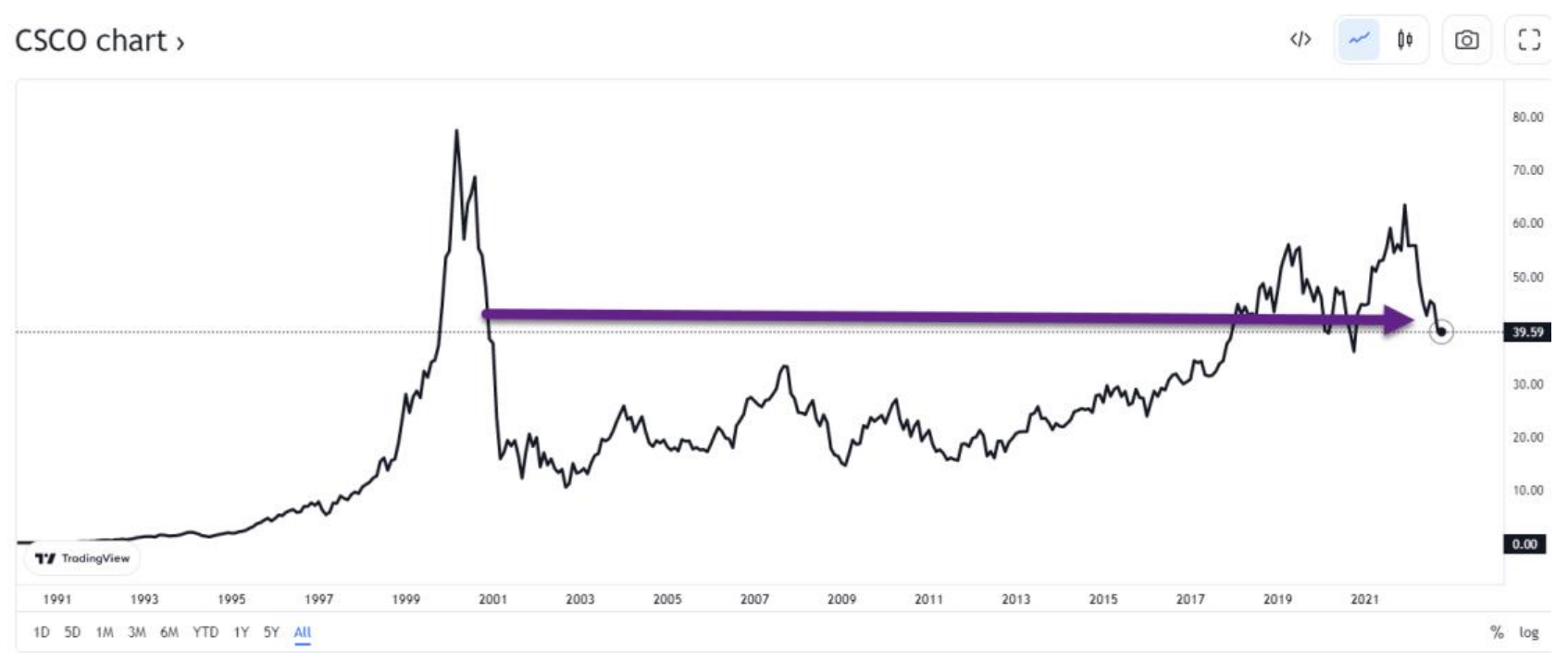
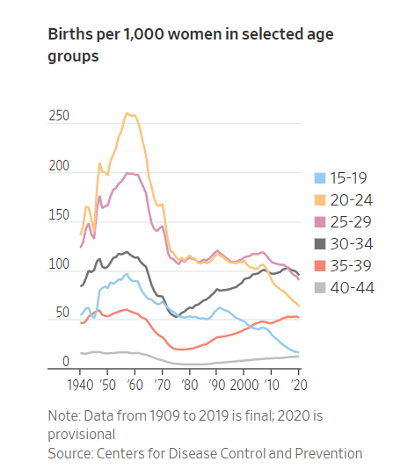
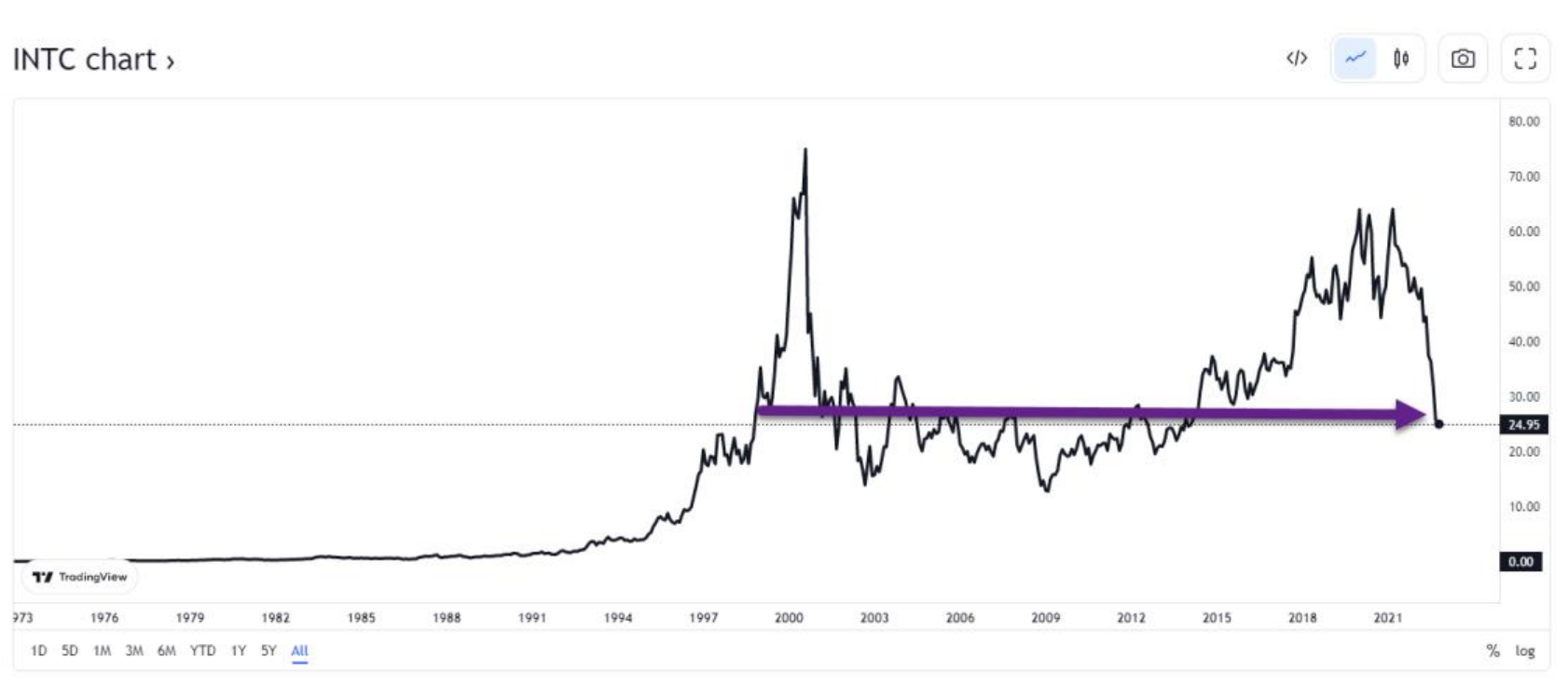
The good news is we only learn through experience so hopefully Millennials will also follow their parents post internet bubble habits of investing for the long run and paying off debt. One word of caution, be careful chasing the last favorable market leaders just because they are down -50% plus. See INTC and CSCO charts below, these were internet blue chip technology stocks that investors thought they could buy and hold forever.
Both stocks never returned to their 1999 highs, instead they went sideways for over 20 years.
https://www.gasbuddy.com/charts
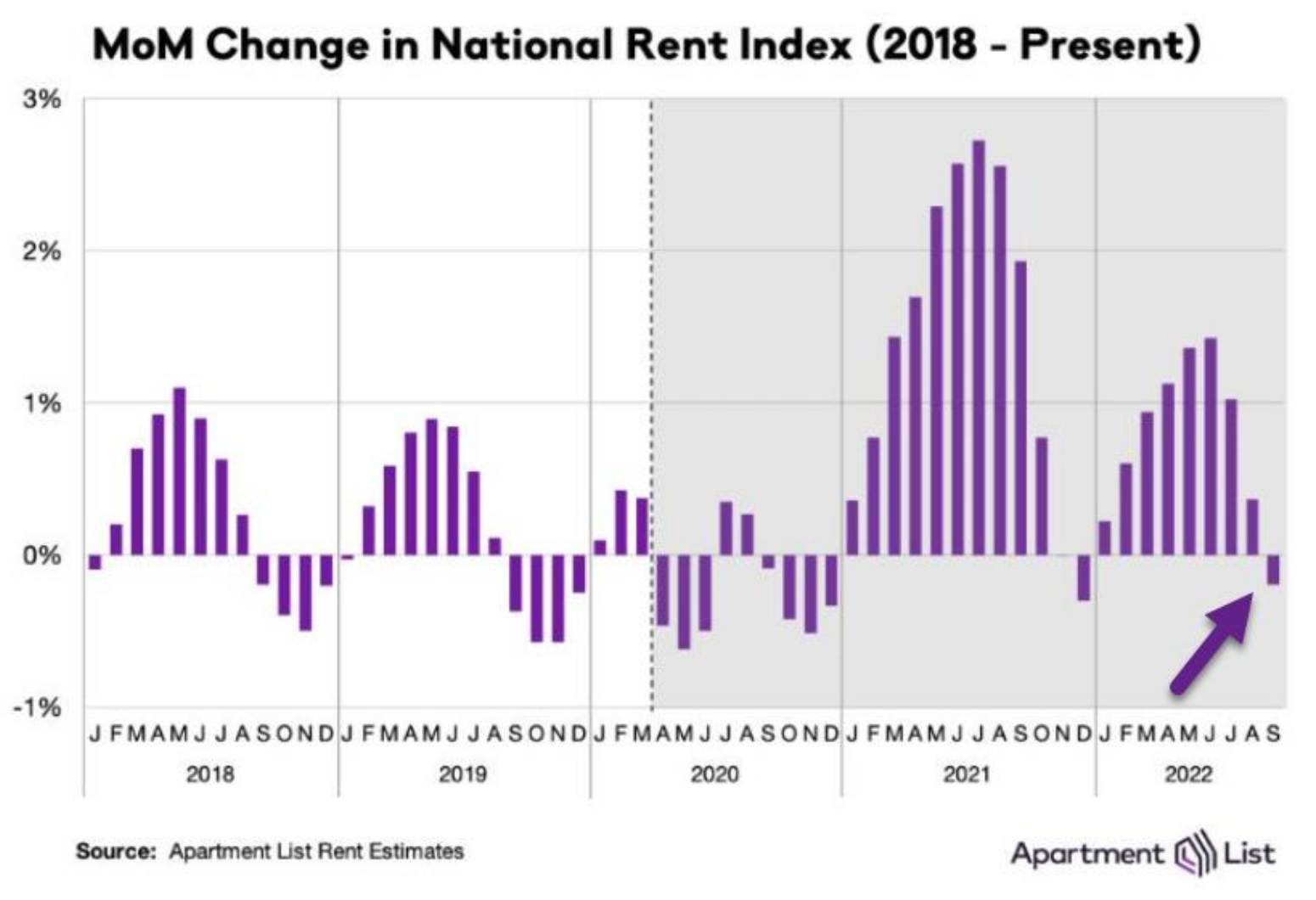
R ents went negative in September and 7% mortgage rates have choked off home prices. Living costs are 30-40% of inflation readings depending on which measure you use.
Waller pointed out the lagged effects of the housing survey methods and he mentioned owners’ equivalent rent inflation data would continue to show increases over the coming 6 months or more.
https://awealthofcommonsense.com/2022/10/getting-long-term-bullish/
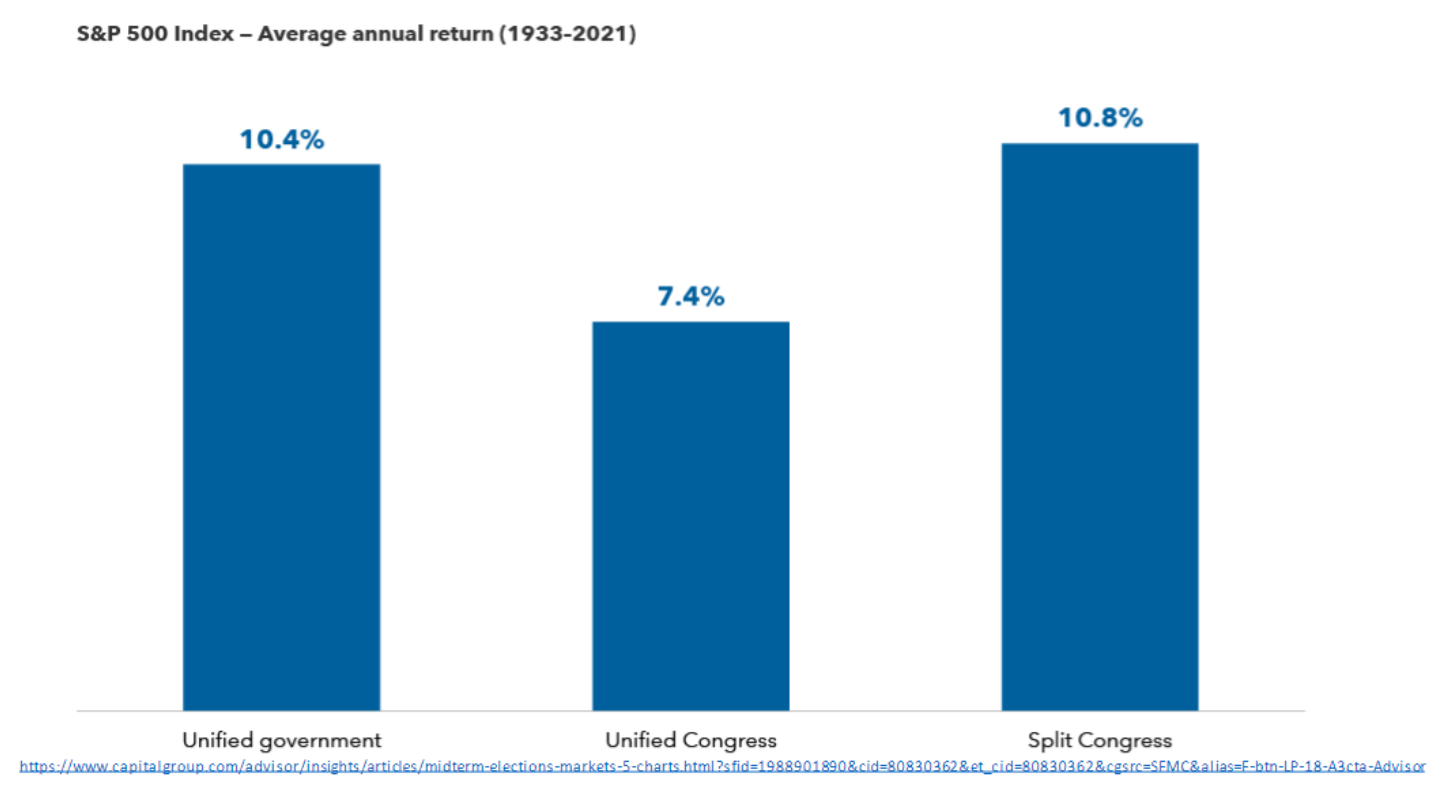
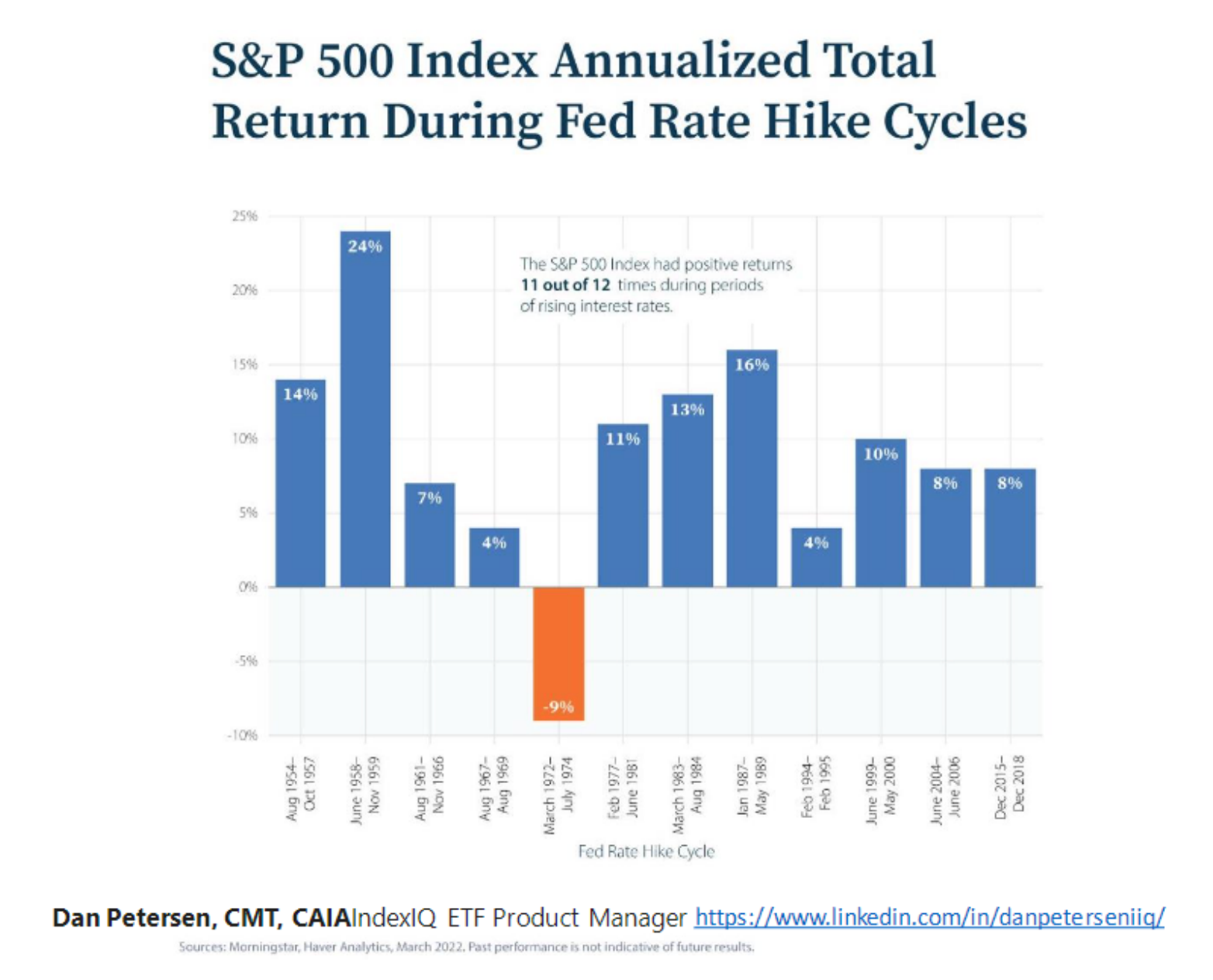
The S&P has experienced positive returns in 11 out of the last 12 rate hiking cycles. With mortgage rates hitting 7%, stocks and bonds collapsing, the Fed is close to done with rate hikes. As a side bar, for 80 years in a row, the S&P has rallied after mid-cycle elections.
https://chartstorm.substack.com/p/weekly-s-and-p500-chartstorm-9-october
Stocks
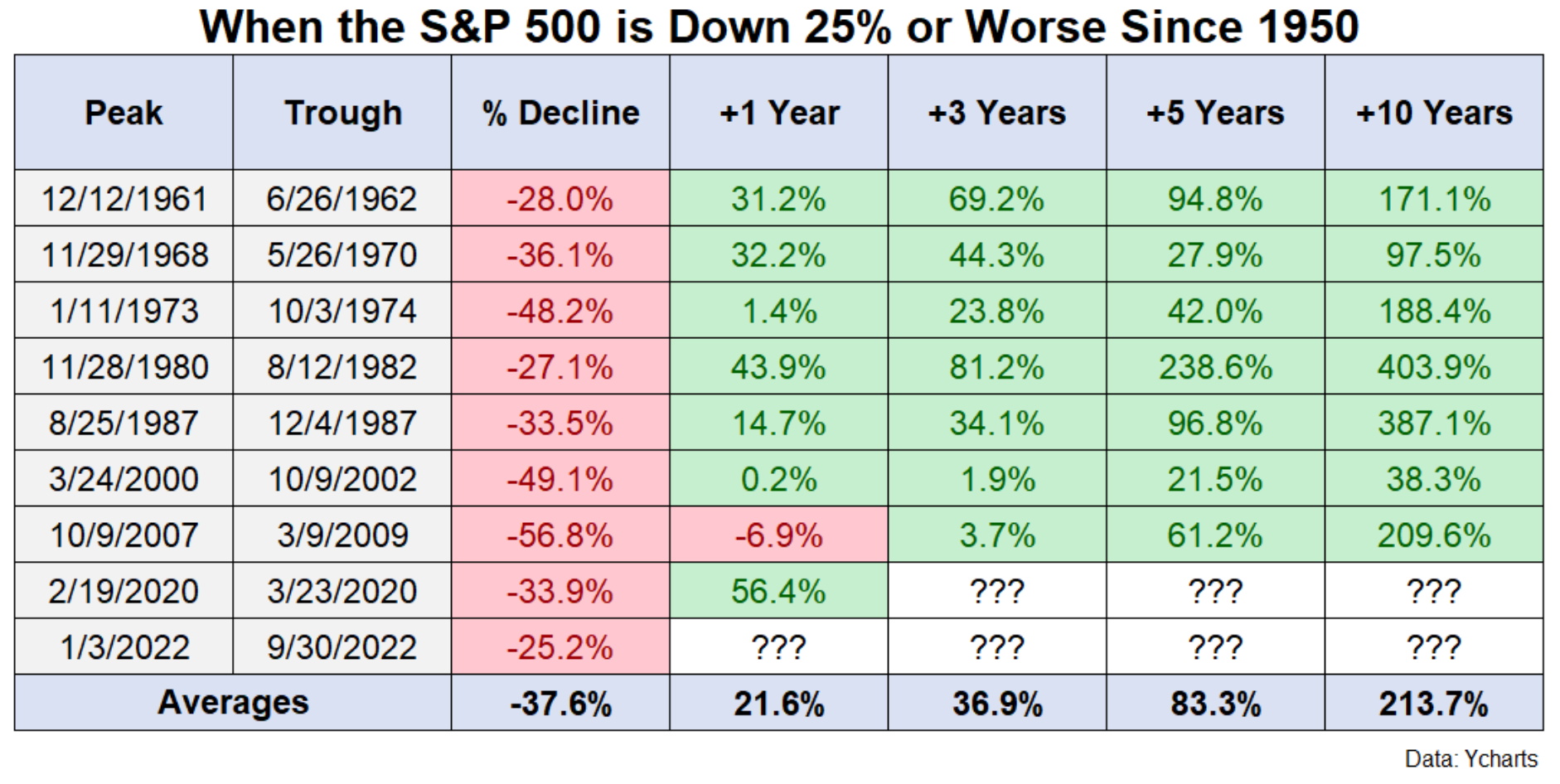
As discussed in my last letter, stock market valuations have pulled back to 25-year median. In the following chart, history tells us that 1–10-year returns following a 25% correction in the S&P are all positive. But if we have a major crisis like 2008, there would be more downside to come while one-and three-year returns are muted.
Currently, the American public is massively bearish on sentiment indicators, but they have not pulled the ripcord and sold their stocks. They are not buying any new stocks, but they are not selling any current holdings. One contra indicator is the enormous buying of 1-year U.S. treasuries to lock in a guaranteed 4% return. Citizens are buying these bonds like Crypto in 2021.
From Ben Carlson A Wealth of Common-Sense Blog
Especially important, none of the above are a recommendations for you to buy or sell any security. This is for information purposes only. Please talk with your advisor regarding any advice around the subject matter and your goals.
American investors had nowhere to run in 2022 as a stock and bond combination experienced the worst drawdown in modern market history. Bonds had the worst start to a year since 1777 offering no protection against the stock market’s -25% correction.
Millennial Update
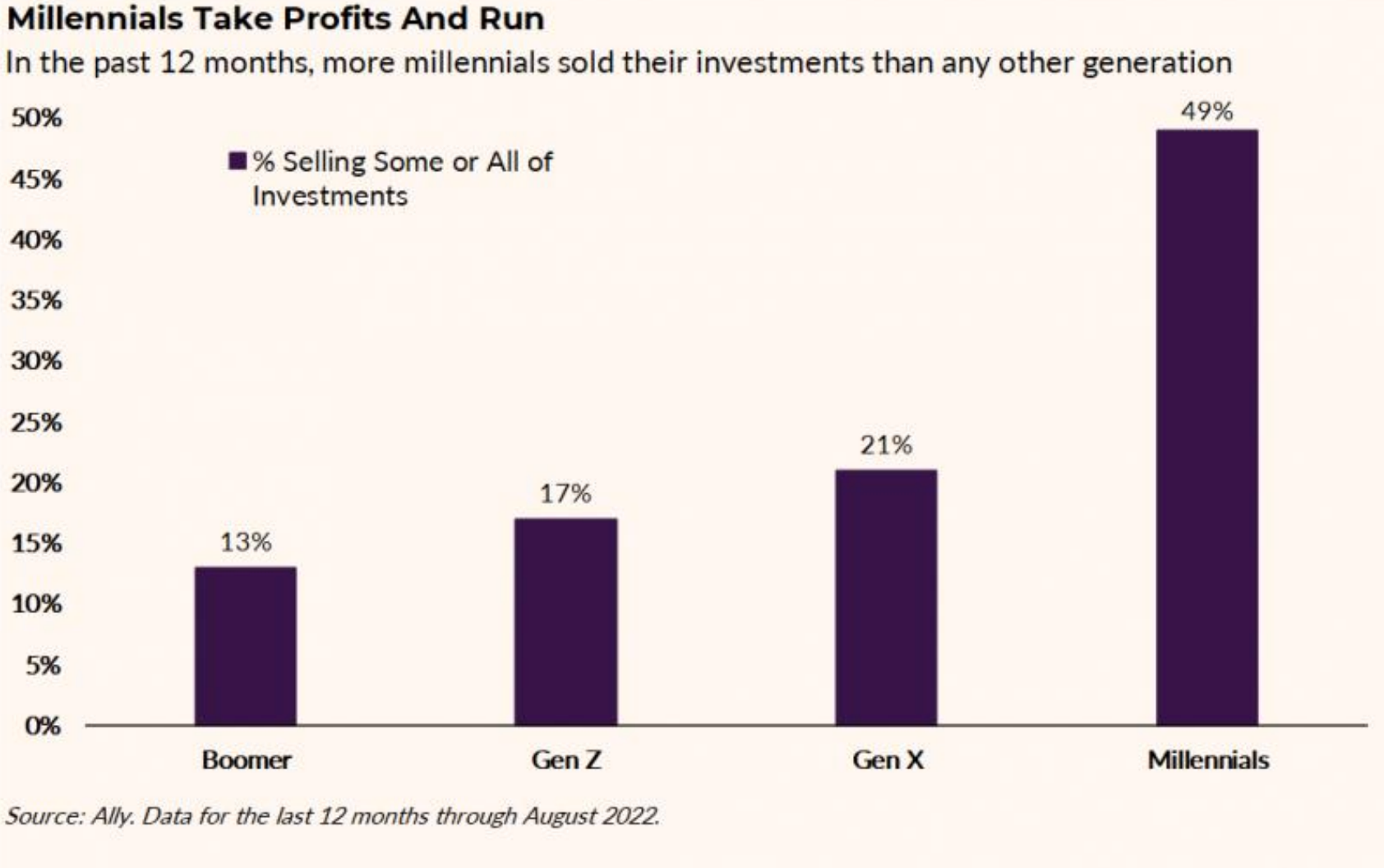
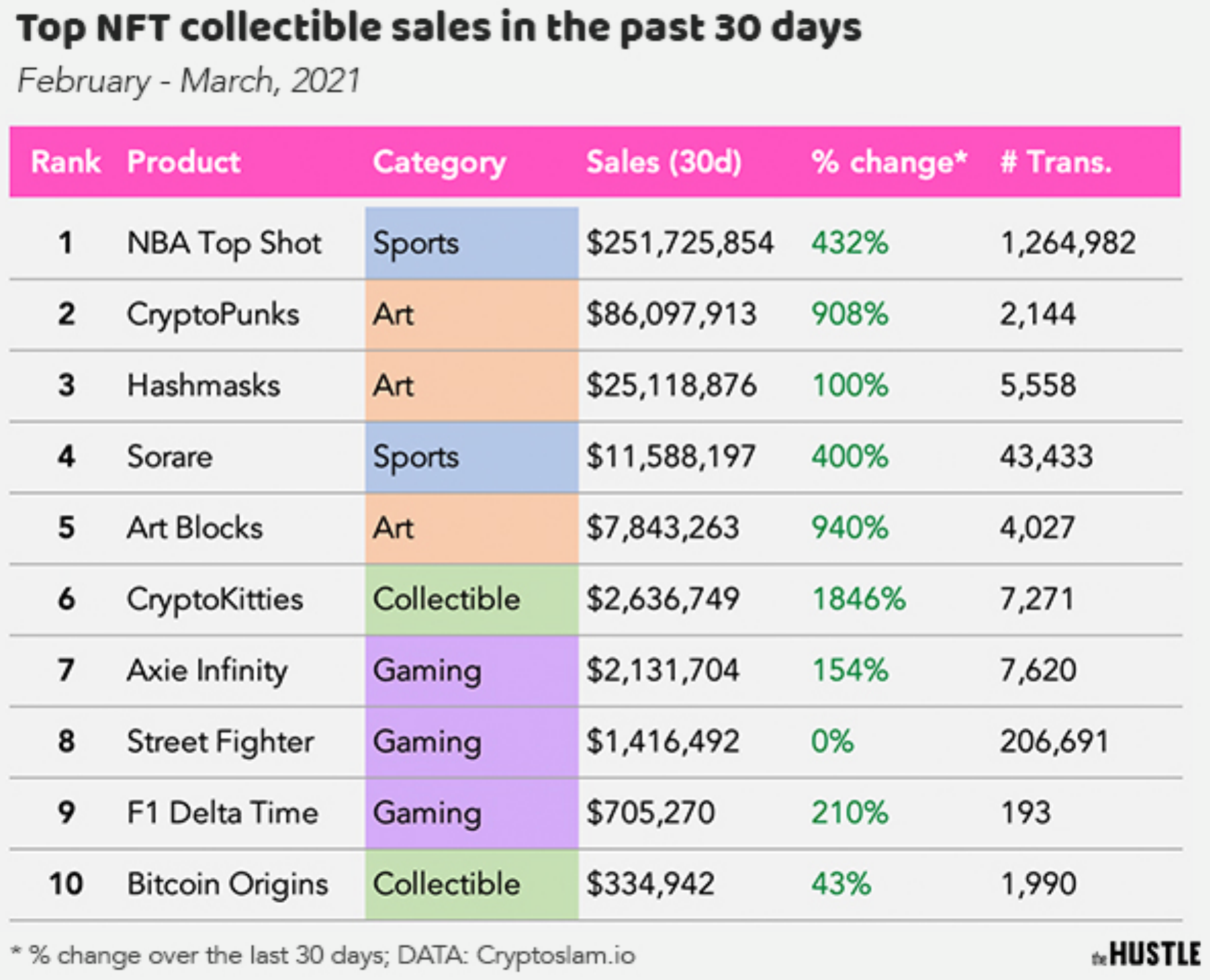
I spent a fair amount of time in my previous quarterly letters discussing how Millennials followed in their parent’s footsteps of 1999 internet bubble by buying at the top and selling at the bottom. It looks like they are responding in kind - as crypto, meme stocks, options trading and SPACs cratered, Millennials sold their holdings.
Callum Thomas from Chart Storm shares Millennial action this year.
From Callum Thomas Chart Storm Generational Selling Opportunity: Intriguing statistics.
Seems about every millennial sold some or all their investments. Could have to do with life stages, but hard to guess what is specifically driving this. The other key thing that sticks out in this chart is that aside from millennials, everyone else has held tight. That gels with
my previous observations
about the difference between very bearish surveys vs relatively minor movement in equity allocations and margin positions.