Introduction
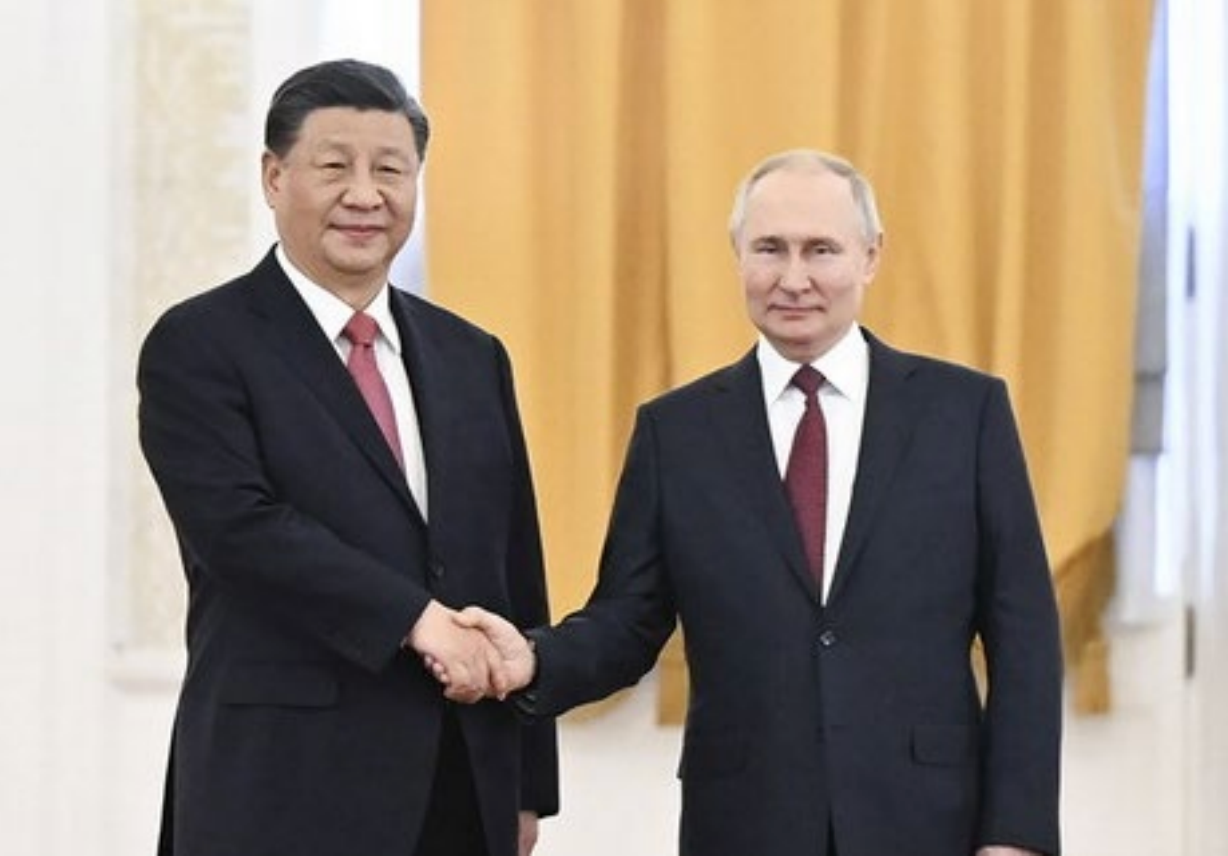
The two most prominent Communist countries are running on empty in both demographics and economics—challenges that could make their military actions more unpredictable.
China recently introduced a new stimulus package, which briefly spiked its stock market by 25% in just two weeks, including a 50% surge in Chinese internet stocks. However, underlying issues such as a shrinking population and over 90 million empty homes suggest that China’s long-term trajectory may be more troubled. These factors could hinder sustainable growth, even as the country seeks to assert its influence.
Russia, meanwhile, invaded its neighboring country, expecting a quick victory. Instead, the conflict has proven to be a costly miscalculation. With over a million soldiers either dead or wounded and a significant talent drain as people leave the country, Russia’s strategic position has grown increasingly uncertain as they are now running blind.
At the same time, other large countries are changing course, embracing shareholder capitalism and seeking new economic directions.
The leader featured in this quarter’s photo might seem unconventional (perhaps even crazy), but his mission is clear: reversing decades of economic decline in Argentina. President Milei faces a monumental task—addressing the collapse of socio-economic stability and tackling hyperinflation. To achieve this, he has opted for a “shock and awe” approach that could either lead to recovery or exacerbate the challenges.
Why is Milei going all in? Because Communism sucks. According to *The Black Book of Communism*, 94 million people have died under Communist regimes, including 65 million in the People’s Republic of China and 20 million in the Soviet Union. These two countries alone account for 90% of Communist-related deaths. Now, in 2024, China and Russia continue to shape the global landscape with their quasi-Communist policies.
While China’s recent economic measures have temporarily boosted markets, the longer-term outlook remains complicated. This rally could continue, but the long road for China looks mired in communist economic policy land mines that will stop entrepreneurs at every turn.
Running on Empty
Song by Jackson Browne
Looking out at the road rushing under my wheels
Looking back at the years gone by like so many summer fields
'65, I was 17 and running up 101
I don't know where I'm running now, I'm just running on
Running on (running on empty)
Running on (running blind)
Running on (running into the sun)
But I'm running behind
Gotta do what you can just to keep your love alive
https://www.barrons.com/articles/china-companies-tik-tok-huawei-7e9c6444?mod=past_editions
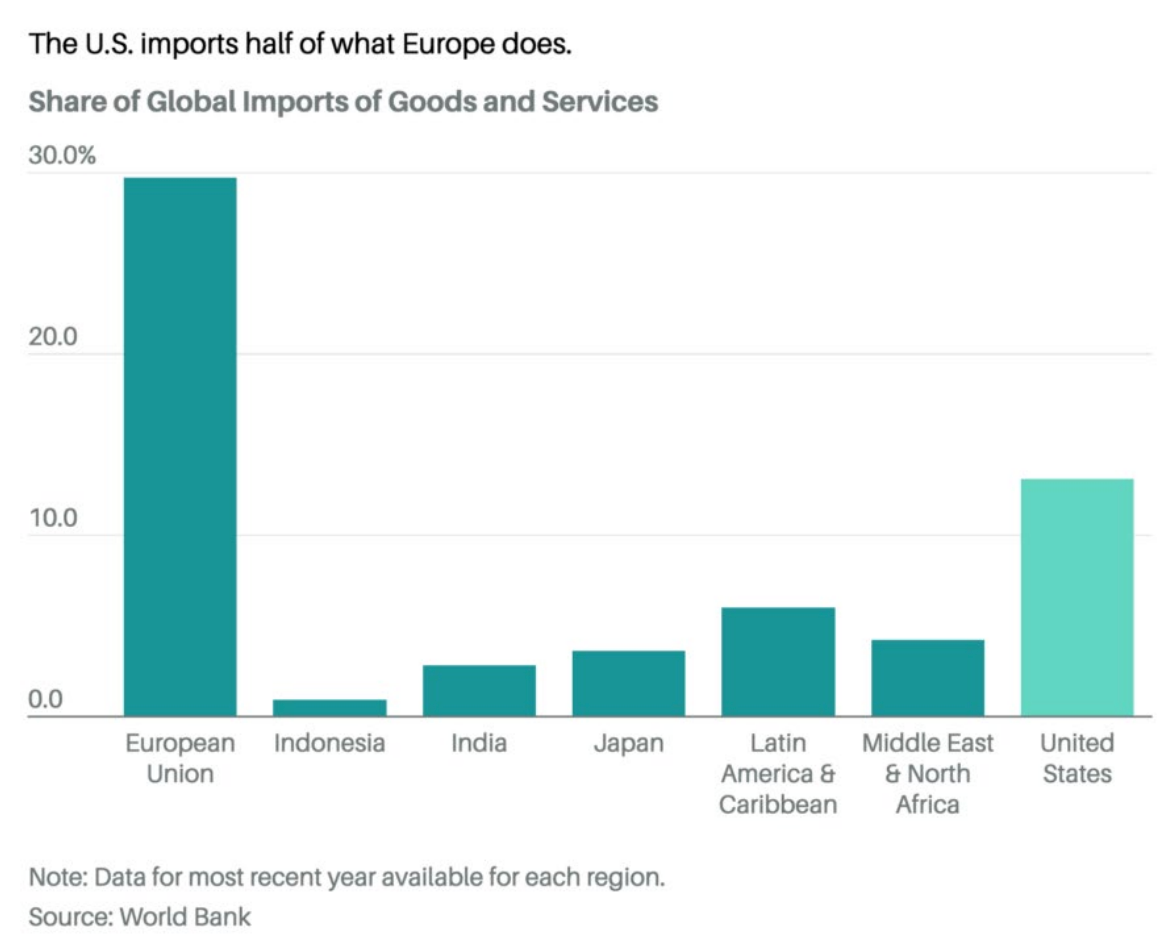
In terms of trade, the U.S. imports half as much as Europe, and there is bipartisan support for reshoring critical industries to reduce dependence on foreign supply chains (Source: Barron's). This shift towards self-reliance reflects a broader trend of emphasizing domestic production and strategic control over key industries.
Global Shifts Towards Shareholder Capitalism
I began this letter discussing President Milei of Argentina and his bold efforts to reverse decades of economic mismanagement. However, the real story lies with larger nations that are embracing shareholder capitalism and free markets.
Warren Buffett has recently increased his investments in Japanese stocks as the country implements significant stock market reforms. Japan’s changes, focused on enhancing corporate governance, increasing shareholder value, and attracting foreign investment, have reinvigorated its markets.
Meanwhile, India is making waves as the leader in international stock market performance, driven by economic reforms under Prime Minister Modi. These reforms have focused on liberalizing the economy, improving the ease of doing business, and attracting global capital (Source: Perplexity.ai).
The Future of Global Markets: A Shift Away from Communism?
As Japan and India embrace free-market principles, the question remains: will more international markets follow their lead? Will these countries recognize that the long-term benefits of capitalism outweigh the pitfalls of state-controlled economies?
Only time will tell, but the trend is clear—many are moving towards systems that prioritize innovation, transparency, and growth. Or simply put, Communism sucks.
These probabilistic return assumptions depend on current market conditions and, as such, may change over time.
IMPORTANT: The projections and other information generated by the Vanguard Capital Markets Model regarding the likelihood of various investment outcomes are hypothetical in nature, do not reflect actual investment results, and are not guarantees of future results. Distribution of return outcomes from the VCMM are derived from 10,000 simulations for each modeled asset class. Simulations are as of March 31, 2019. Results from the model may vary with each use and over time.
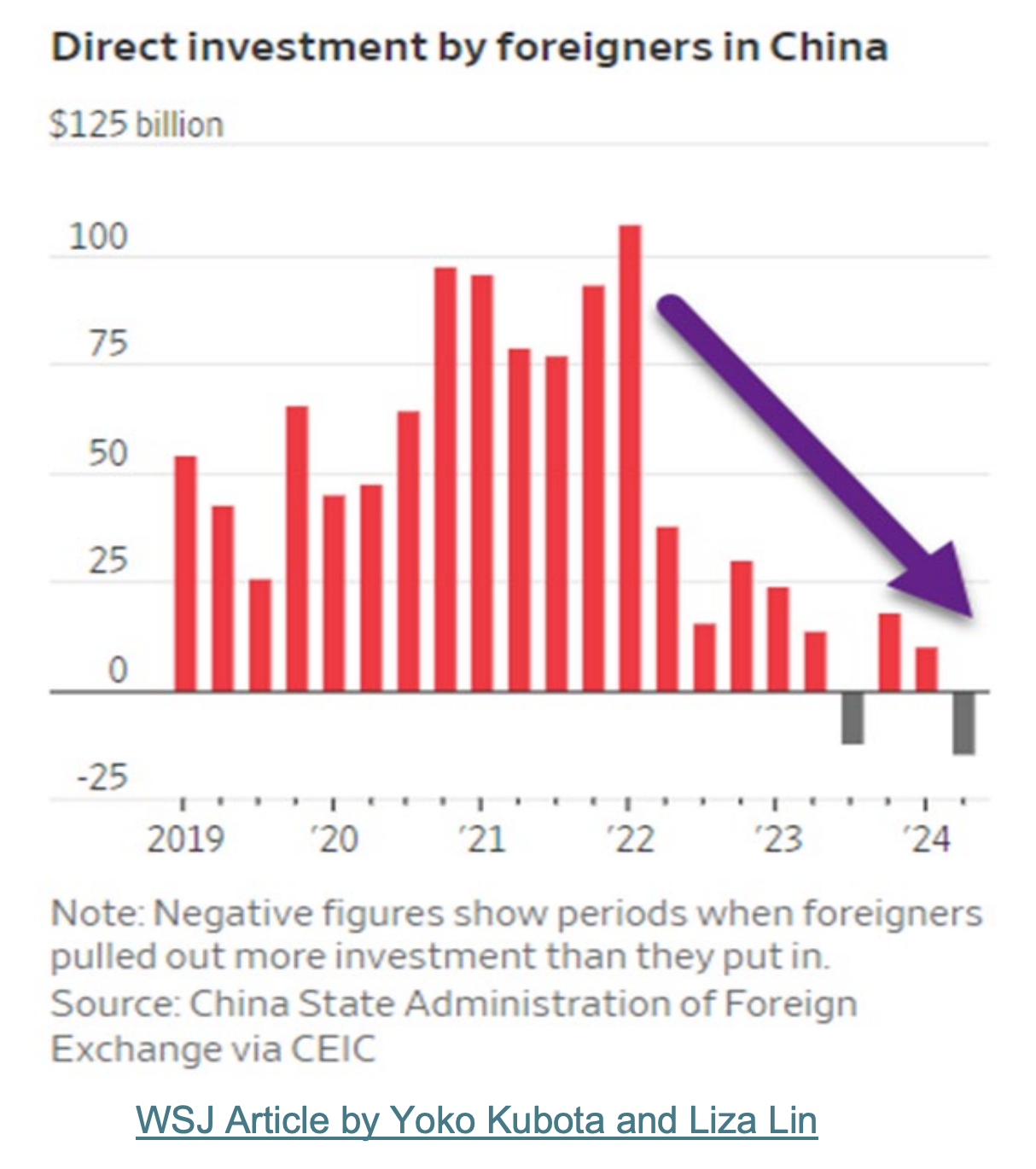
WSJ Article by Yoko Kubota and Liza Lin
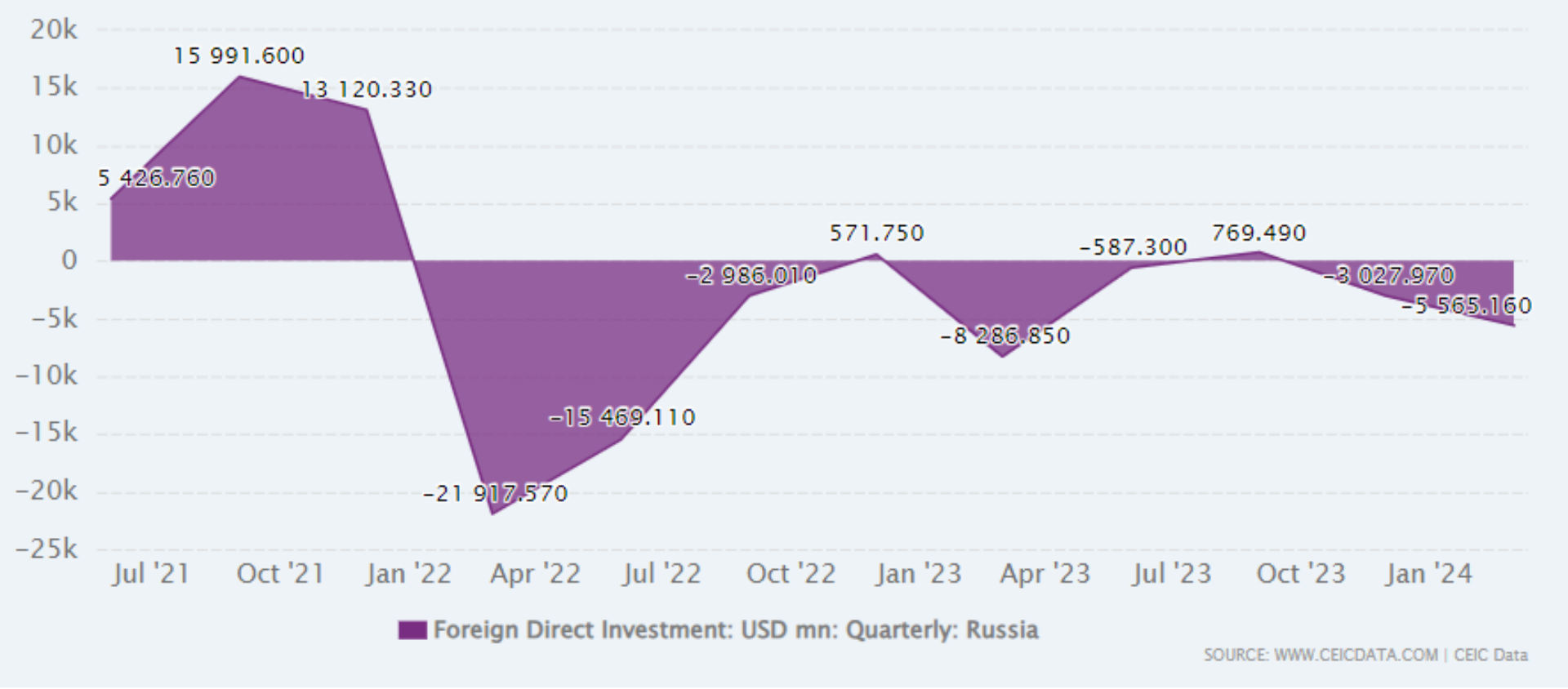
Russia’s Foreign Direct Investment from March 1994 to March 2024
On December 7th, 1999, Barron’s published the infamous “What’s Wrong,Warren” cover eerily before the Nasdaq crashed 50% and Berkshire recovered years’ worth of underperformance.
The below graph plots the time period 6/30/98 through 2/29/00 for the Nasdaq where many dot-com and technology stocks traded, and the price of Berkshire Hathaway, Warren Buffett’s holding company, which consisted of value stocks:
https://kailashconcepts.com/ Kailash Concepts
Was the Nasdaq 100 20% rally in the first quarter a repeat of the above or a new bull market in tech? A big portion of the answer will come from the direction of interest rates. The Fed came in like a hurricane upending markets across the world, but we have not begun to feel the effects of higher interest rates working their way across the system. As rates settle into a new range, it will have a profound effect on new business initiatives going forward and be exacerbated by the recent regional bank speed bump that will reduce lending to small business owners. Below are Vanguard’s projected 10-year returns that I include at the end of every letter. The interesting data point is treasuries and high-quality corporate bonds have higher projected returns than growth stocks at one-quarter of the volatility.
Like Neil Young says “I want to love you but I’m getting blown away.”
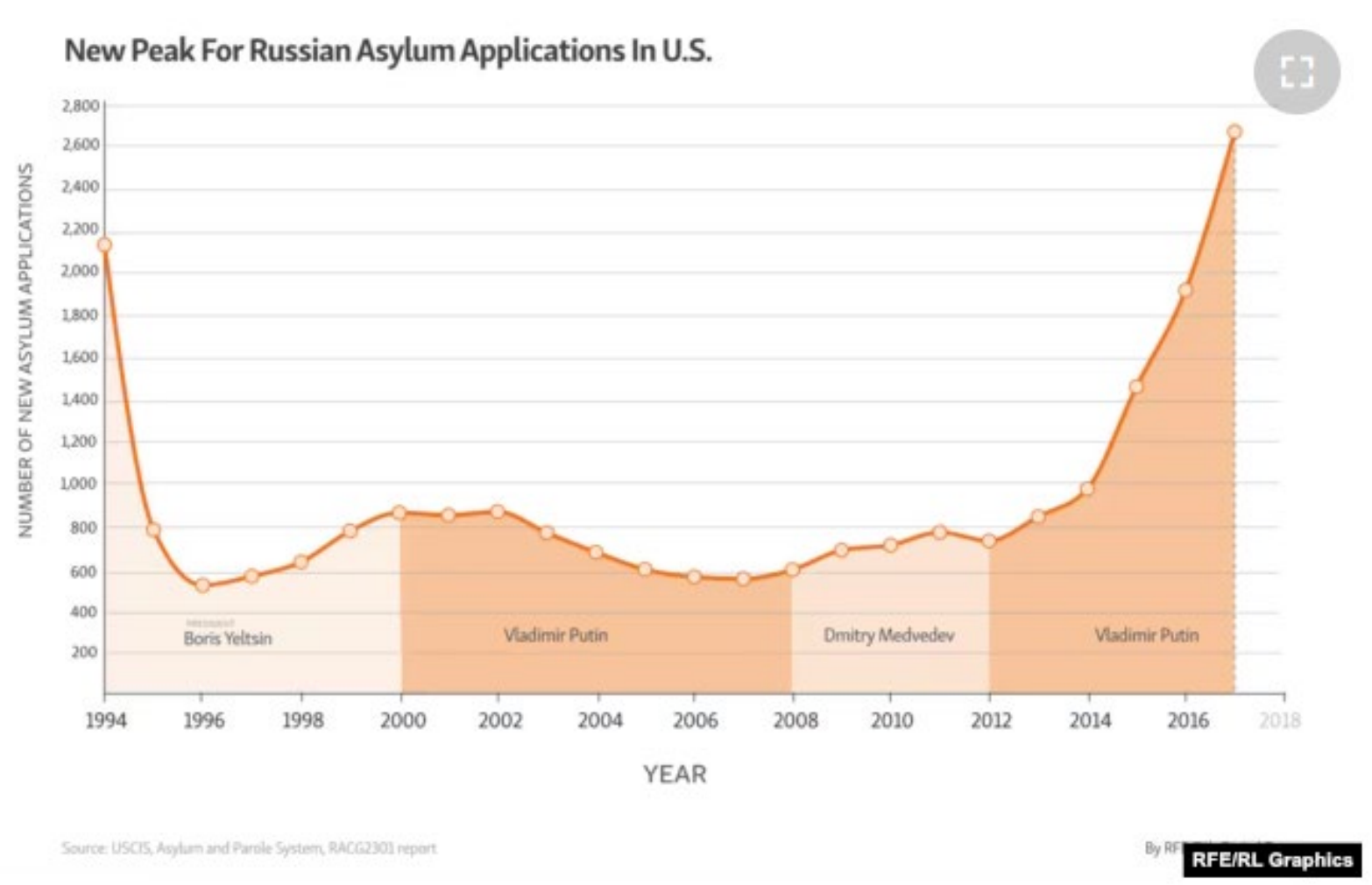
https://www.rferl.org/a/russian-asylum-applications-in-u-s-hit-24-year-record/29204843.html
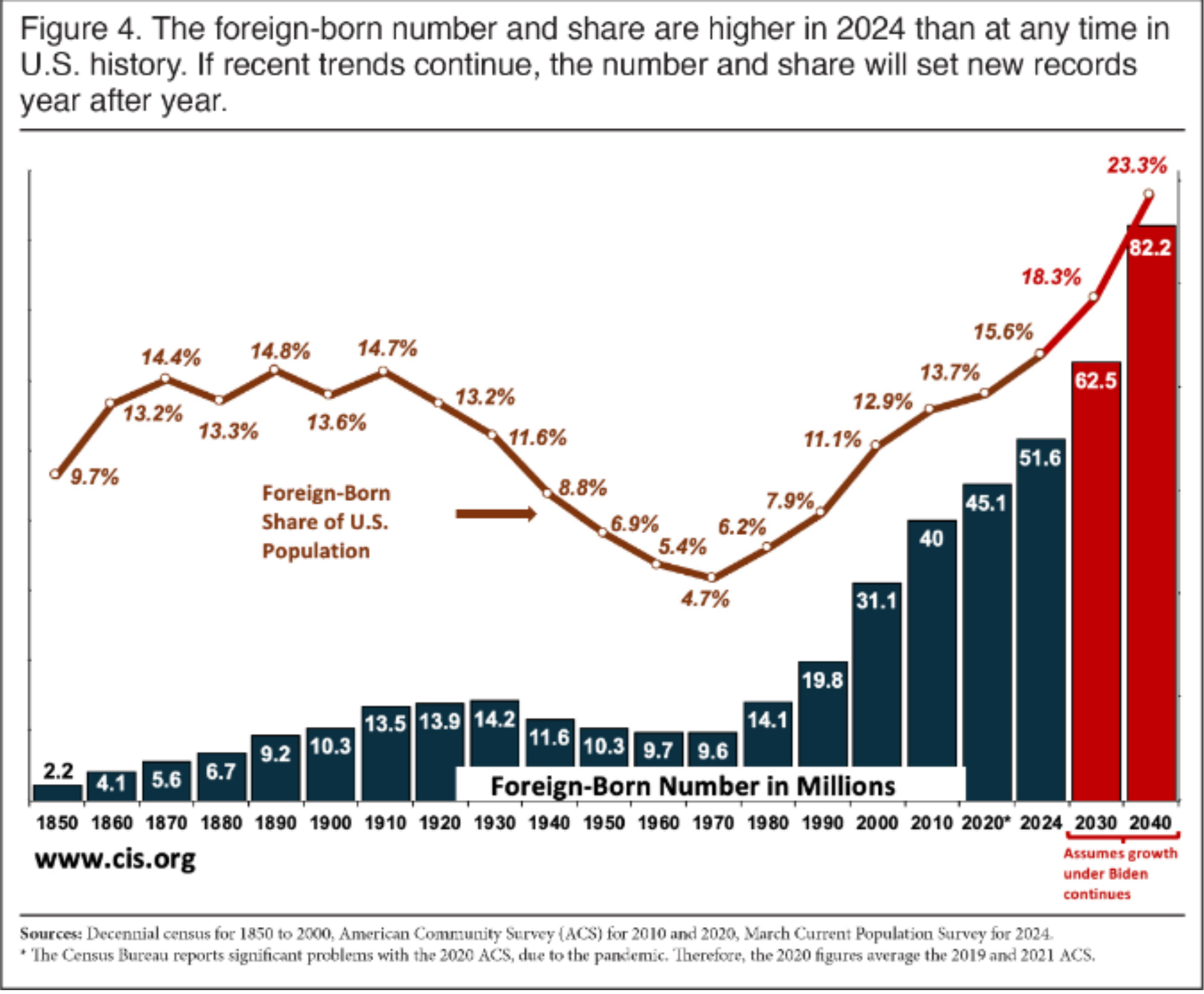
In contrast, the United States is experiencing the highest number of foreign-born citizens in its history, with new records likely to be set year after year for the foreseeable future. This influx reflects a broader global trend, as people from around the world choose to seek opportunities in the U.S., favoring the prospects of capitalism over the restrictive nature of Communist systems. It’s a clear signal: global citizens are “voting with their feet” in favor of freedom and economic opportunity.
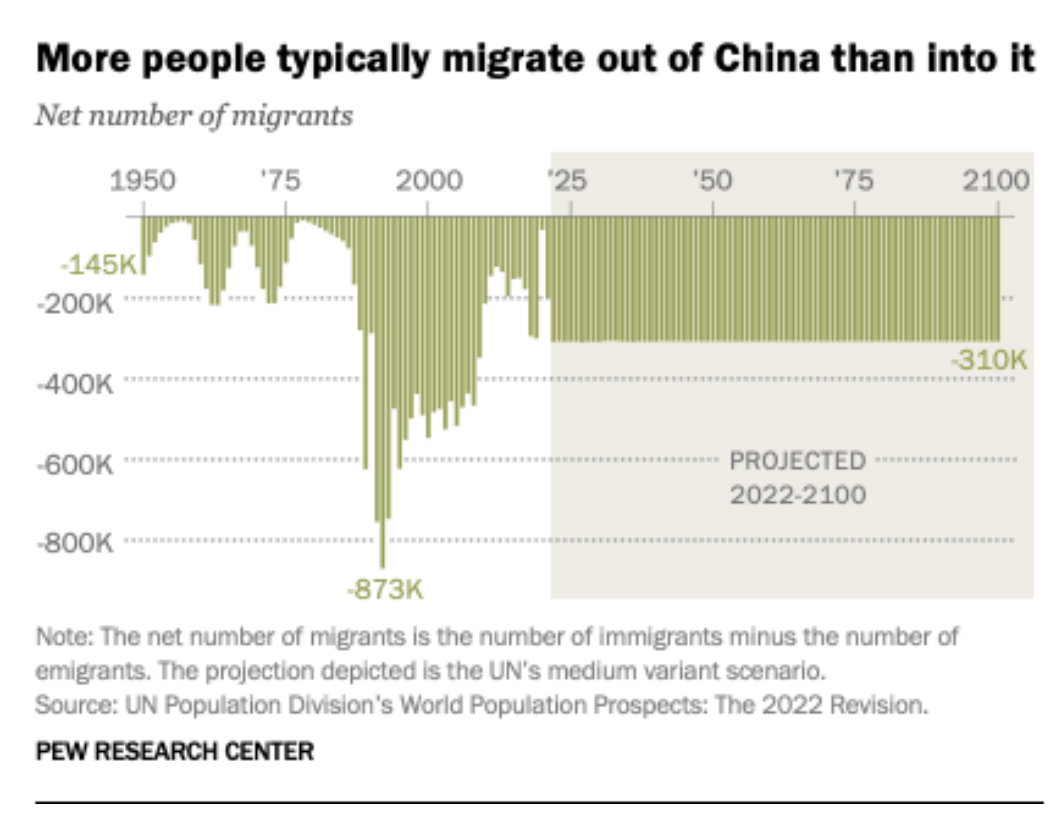
Unlike the United States, which is currently experiencing a surge in both legal and undocumented immigration, China and Russia are seeing a net outflow of people. This trend is unlikely to reverse anytime soon, especially in China, where youth unemployment and economic uncertainties deter potential immigrants. As a result, the demographic challenges in China and Russia cannot be offset by an influx of new residents, further straining their economic futures.
The data shows a significant spike in the number of Russian asylum seekers to the United States between 2014 and 2017, indicating that many Russians foresaw the implications of Putin's initial invasion of Ukrainian territory in 2014. This exodus suggests a growing unease among Russian citizens about the country’s direction under Putin’s leadership, prompting those with the means and desire for a better future to seek refuge elsewhere.
Source: Torsten Slok, Ph.D.Chief Economist, PartnerApollo Global Management
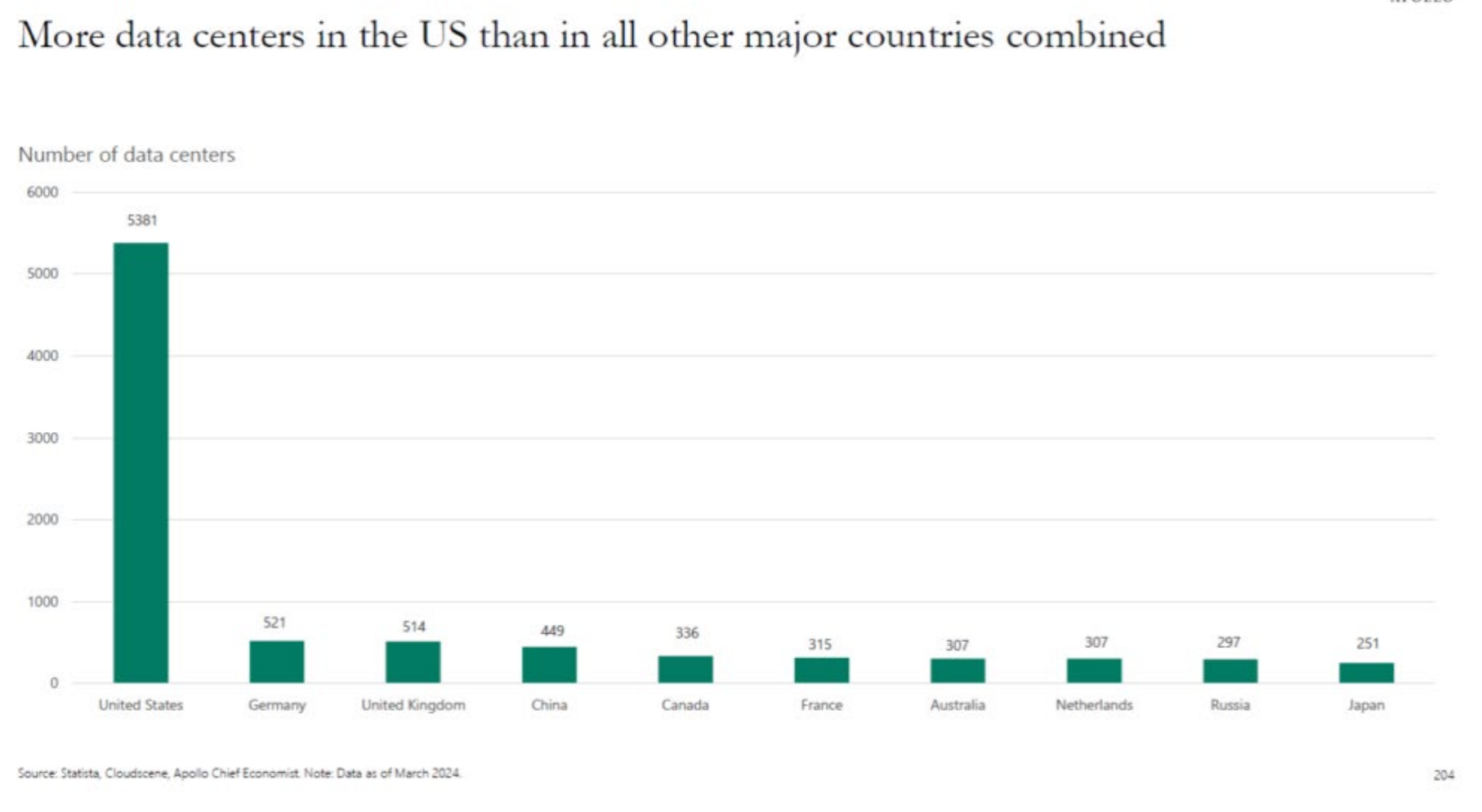
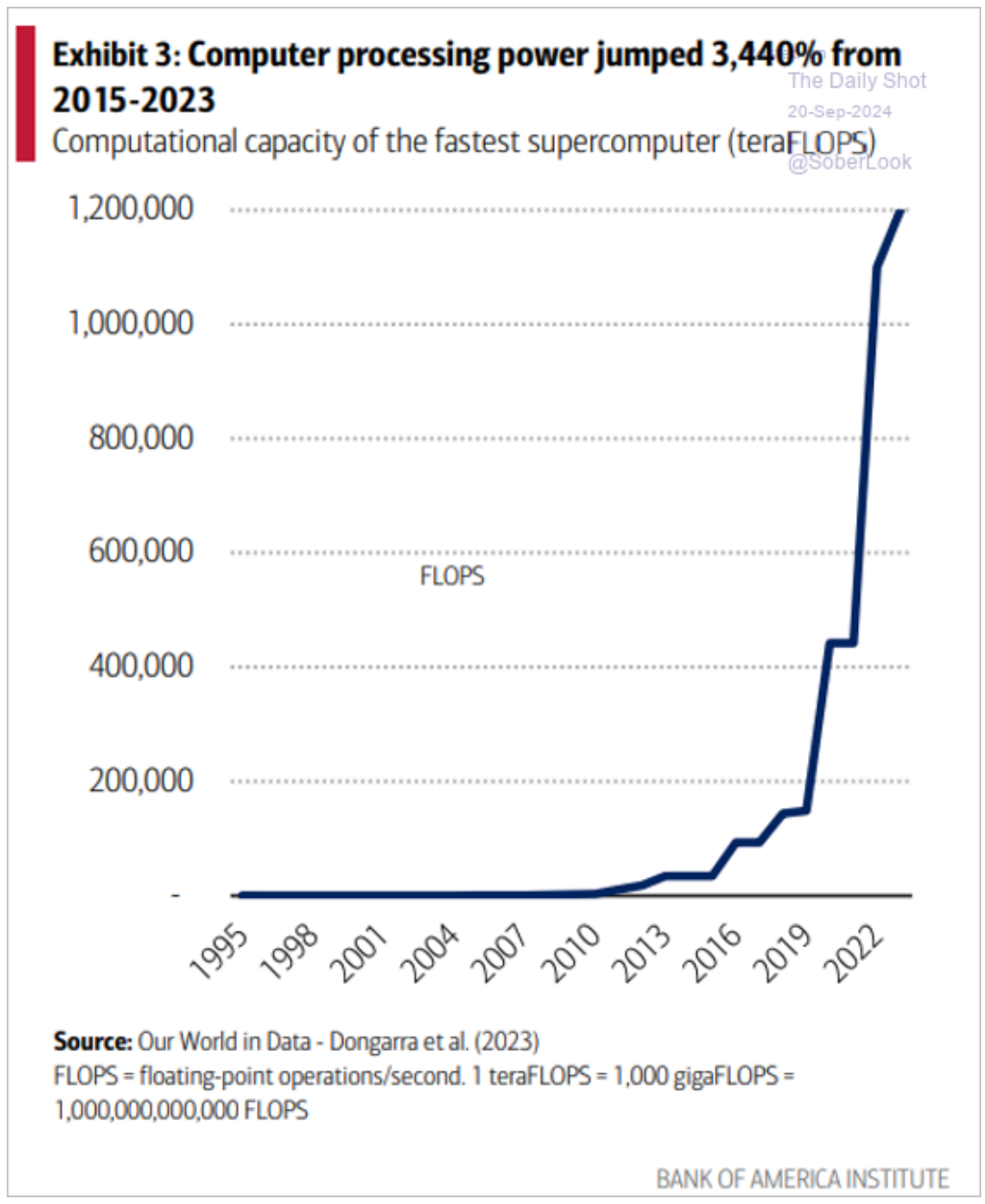
This dominance in digital infrastructure gives the U.S. a competitive edge in computational capacity, a critical factor in today’s tech-driven economy. Between 2015 and 2023, computer processing power in the U.S. grew by an astonishing 3,440%, illustrating the rapid expansion of digital capabilities.
Source: BofA Global Research; @MikeZaccardi https://dailyshotbrief.com
Barron’s: The U.S. imports half of what Europe does and both political parties want to reshore and import even less.
Leveraged loans are up 50 percent since 2015
Leveraged loans, which are issued by overleveraged companies with insufficient cash flows, are part of what Wolf Richter recently called the “gigantic pile of risky corporate debt that is now being brutally repriced as concerns over credit risk (the risk of default) are finally bubbling to the surface.” According to Richter, the S&P/LSTA US Leveraged Loan 100 Index, which tracks the prices of the largest leveraged loans, has plunged by 20 percent since February 22nd.
According to Richter, leveraged loans “are traded in slices like securities or are packaged into highly rated Collateralized Loan Obligations (CLOs). But for years, investors had the hots for them, driven by their relentless chase for yield, in a world of interest rate repression.”
These companies, noted Richter, were often acquired by private equity firms through leveraged buyouts, which means they loaded up those companies with lots of debt. In addition, “PE firms extracted special dividends from their companies,” which were funded by leveraged loans. That’s a form of asset stripping and it leaves the company “more leveraged, more precarious and more likely to topple. But who cares? Those were the good times and the chase for yield was on,” lamented Richter.
The Chinese state is gradually taking over the funding—and even the exits—of tech startups. In April, the People’s Bank of China launched a roughly $70 billion relending facility, aimed at encouraging banks to lend to science and technology companies, with about 20% of these funds specifically targeted at startups and growth-tech firms. This move reflects a significant shift from just a few years ago when private capital was pouring into China’s tech sector.
At that time, major investors like Sequoia Capital’s China arm and SoftBank Group eagerly funded startups in areas ranging from e-commerce to ride-hailing, drawn by the promise of China’s large consumer market and the potential for billion-dollar exits. In 2021 alone, venture-capital funds invested $42 billion across more than 2,400 deals in China, according to Dealogic data. The influx of private money helped numerous Chinese startups achieve unicorn status—privately held companies valued at over $1 billion—fueling the perception that China was on the brink of overtaking the U.S. as the world’s tech hub.
However, the shift toward state-led funding signals a different era, as China’s economic policies become less accommodating to private investment and innovation. This change raises questions about the future trajectory of its tech industry and whether it can maintain its earlier momentum without the same level of private capital support.
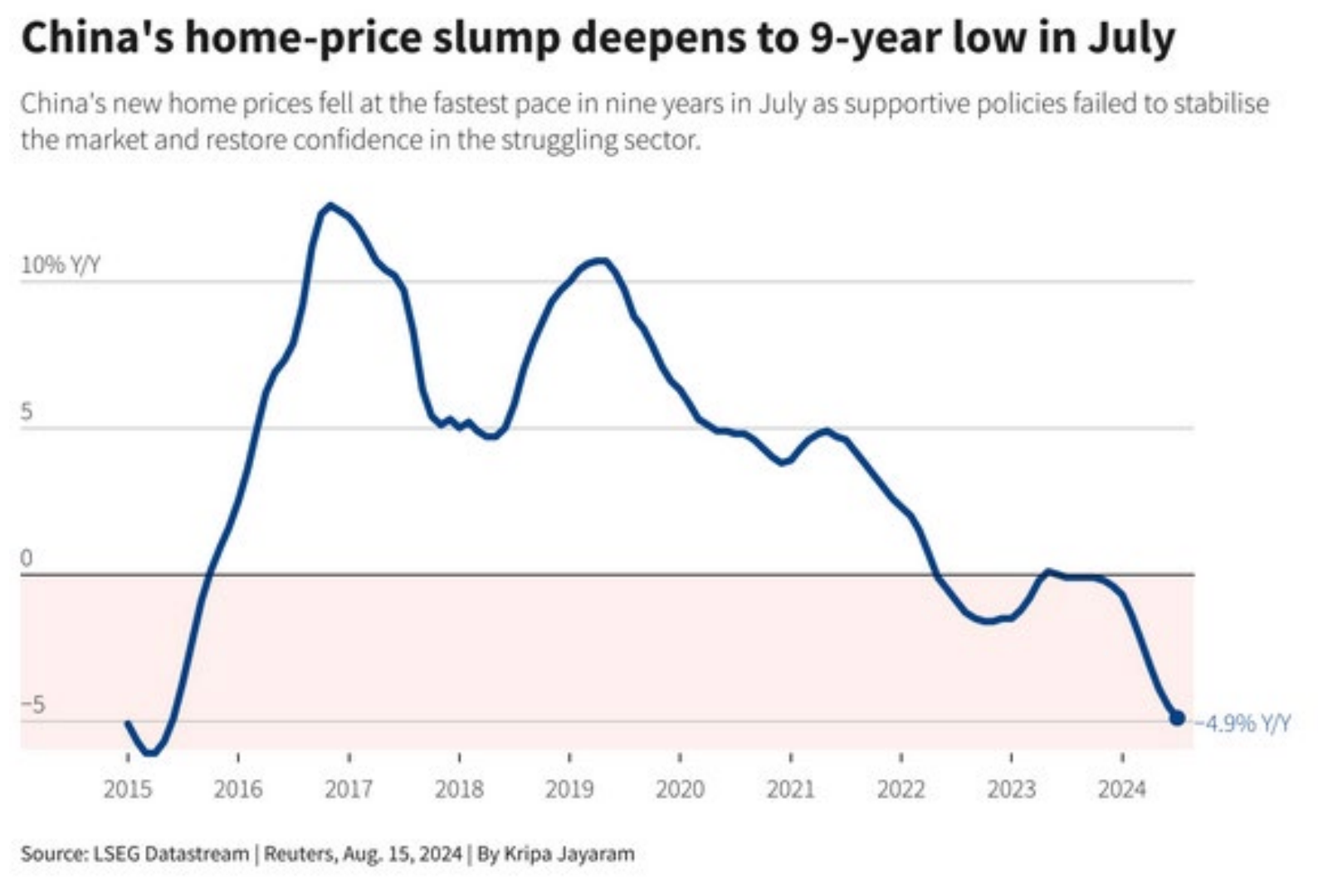
Would you invest in a country with 90 million empty homes, negative population growth, and minimal immigration?
While such a market might offer opportunities for short-term trades, it presents significant challenges for long-term investment. The demographic headwinds, combined with an oversupply in the housing market and a shrinking workforce, create substantial uncertainty about sustainable economic growth.
China’s housing market faces a significant oversupply, with up to 90 million unoccupied units. Of these, around 31 million are properties that were fully or partially built but never sold, often tied up in litigation related to developers’ bankruptcies. In many cases, cities and developers remain hopeful that these projects will eventually be completed, but the reality is far more complex.
Here is the back of the napkin math from WSJ Andy Kessler: “Let’s do the math. The average apartment in China is valued at $200,000—970 square feet at $205 a square foot. The 90 million empty apartments might be worth $18 trillion. Construction and purchase loans on these empty apartments are surely in multiple trillions of dollars and underwater. But China’s official nonperforming-loan ratio is reported as a meager 1.6%. That’s hard to believe. Chinese economic statistics are notoriously fuzzy, but it’s hard to hide 90 million empty apartments for long.”
The remaining 50 to 60 million units were purchased as speculative investments, many by Chinese citizens looking for a place to park their excess cash. With few other attractive investment options, many buyers chose to invest in properties—often in smaller cities where prices were more affordable—without any intention of living in them. This has led to a substantial number of empty homes, reflecting broader economic issues in China’s property market and raising concerns about the long-term stability of this critical sector.
https://www.wsj.com/world/china/china-housing-glut-population-economy-09cffa6a
Part IV: America is Winning Through Free Markets, Others May Follow
The U.S. hosts more data centers than the rest of the world combined, with over 5,000 facilities. By comparison, Germany has 521 data centers, and China, 449. See chart below.
Disclosures
Lansing Street Advisors, LLC is a registered investment advisor with the State of Pennsylvania. You can read more about the Lansing team at http://www.lansingadv.com/
To the extent that content includes references to securities, those references do not constitute an offer or solicitation to buy, sell or hold such security as information is provided for educational purposes only. Articles should not be considered investment advice and the information contained within should not be relied upon in assessing whether to invest in any securities or asset classes mentioned. Articles have been prepared without regard to the individual financial circumstances and objectives of persons who receive it. Securities discussed may not be suitable for all investors. Please keep in mind that a company’s past financial performance, including the performance of its share price, does not guarantee future results.
Material compiled by Lansing is based on publicly available data at the time of compilation. Lansing makes no warranties or representations of any kind relating to the accuracy, completeness or timeliness of the data and shall not have liability for any damages of any kind relating to the use of such data.
Material for market review represents an assessment of the market environment at a specific point in time and is not intended to be forecast of future events or guarantee of future results.
Indices that may be included herein are unmanaged indices and one cannot directly invest in an index. Index returns do not reflect the impact of any management fees, transaction costs or expenses. The index information included herein is for illustrative purposes only.
The trademarks and service marks contained herein are the property of their respective owners.
Lansing Street Advisors is a registered investment adviser. Information presented is for educational purposes only and does not intend to make an offer or solicitation for the sale or purchase of any specific securities, investments, or investment strategies. Investments involve risk and, unless otherwise stated, are not guaranteed. Be sure to first consult with a qualified financial adviser and/or tax professional before implementing any strategy discussed herein. Past performance is not indicative of future performance.
Lansing Street Advisors may discuss and display, charts, graphs, formulas which are not intended to be used by themselves to determine which securities to buy or sell, or when to buy or sell them. Such charts and graphs offer limited information and should not be used on their own to make investment decisions.


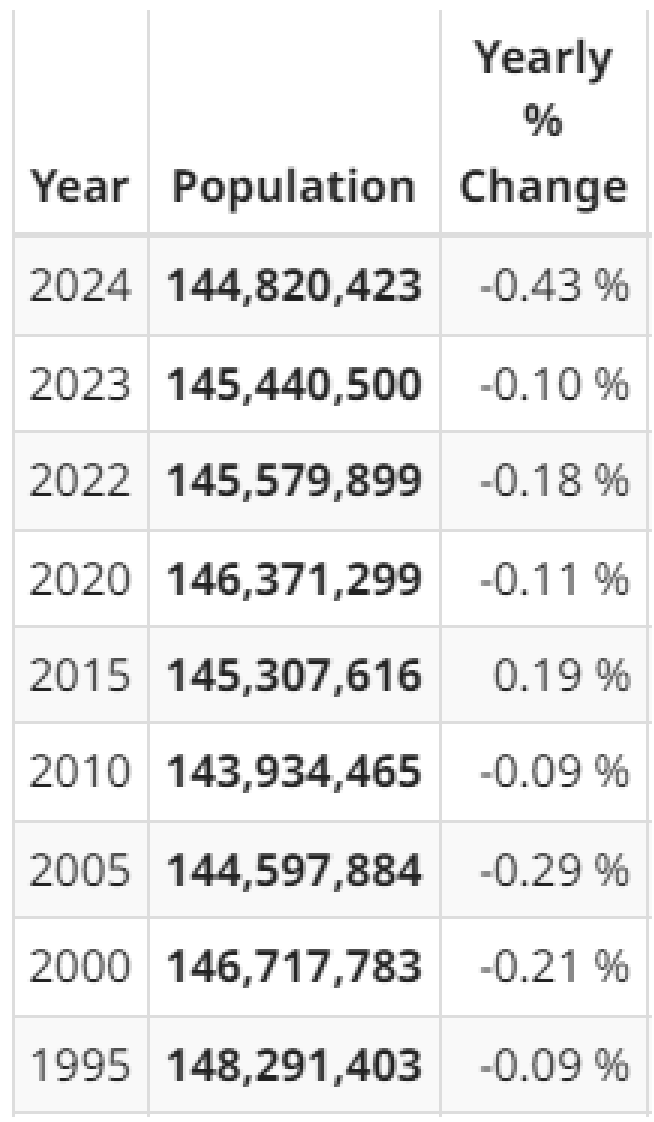
https://www.worldometers.info/world-population/russia-population/
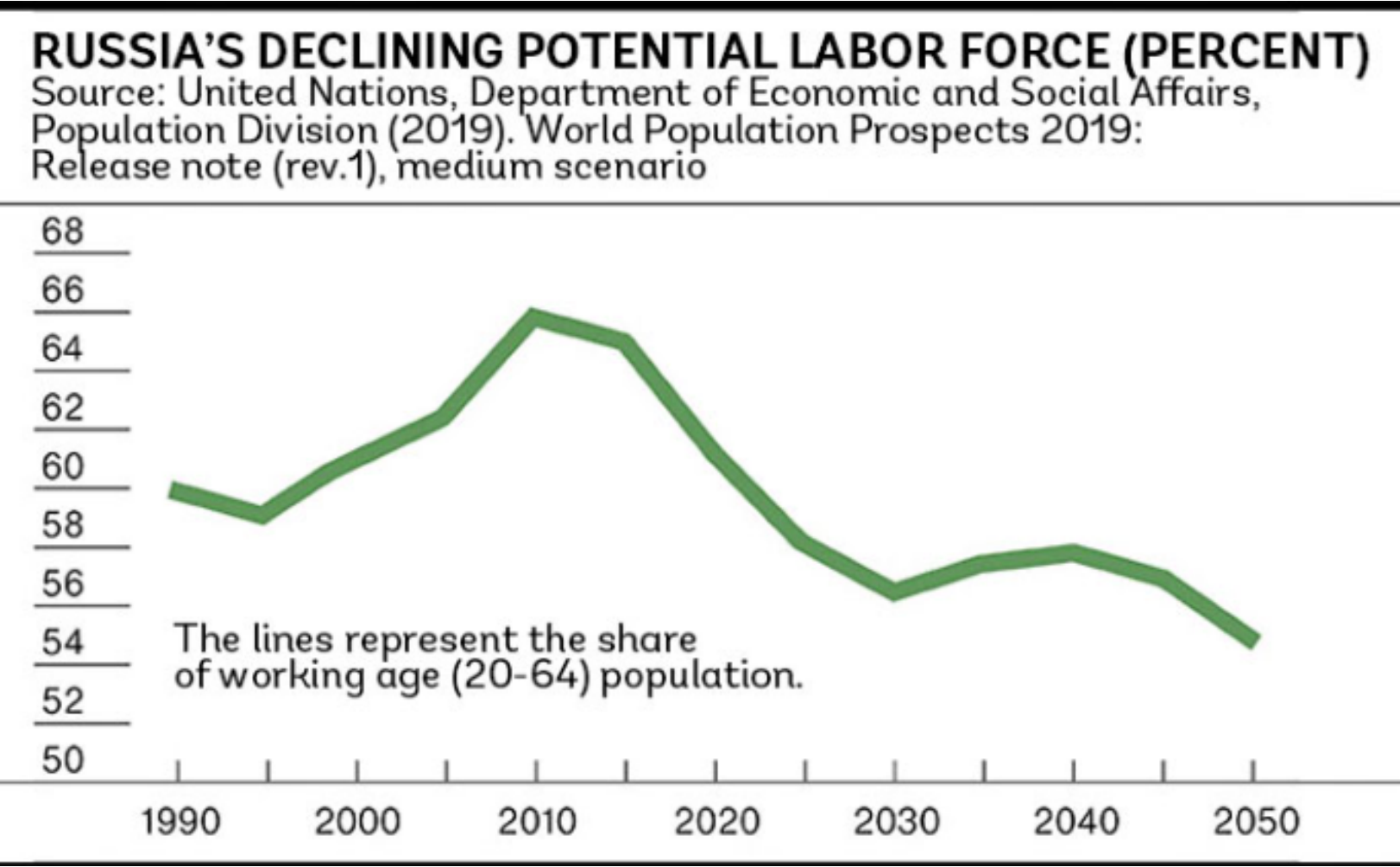
Russia is also grappling with a declining potential labor force, as the proportion of working-age individuals (ages 20-64) continues to shrink. When a country faces such a demographic challenge, it might seek alternative solutions—perhaps even through aggressive territorial expansion.
However, this approach has backfired for Russia. Since the start of the invasion of Ukraine, Russian forces have suffered over 1 million casualties. Additionally, an estimated 650,000 Russians have left the country, further exacerbated the loss of talent and diminishing the nation’s workforce.
https://www.ceicdata.com/en/indicator/russia/foreign-direct-investment
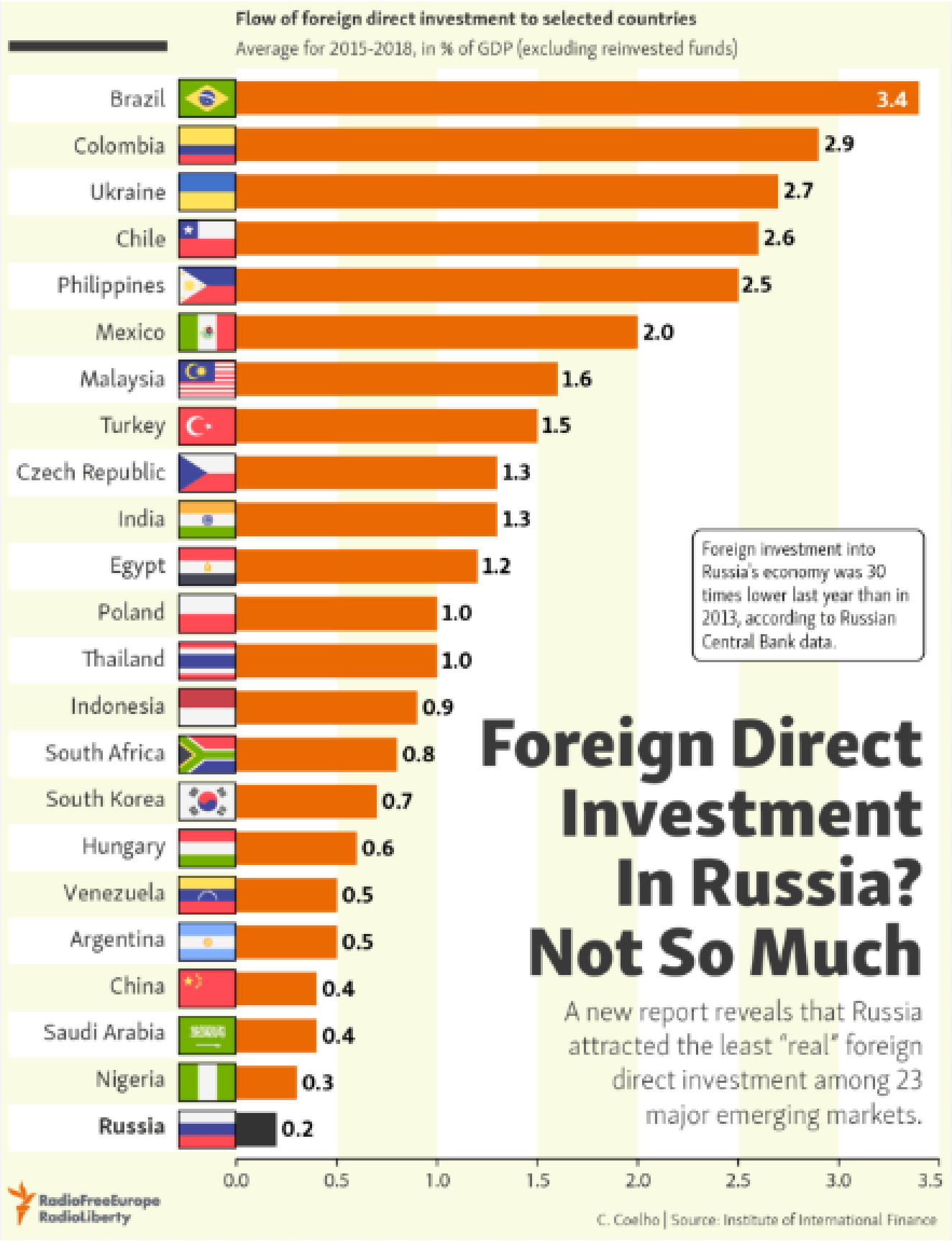
Well before the Ukraine war, Russia was already dead last among emerging market companies for foreign direct investment.
Part III: Which Countries Are Attracting Capital?
Logic suggests that investors would naturally gravitate toward innovative, free-market economies with growing populations. And that’s exactly what we’re seeing. Foreign direct investment (FDI) in both China and Russia has turned negative, while the United States holds the top spot globally for attracting FDI.
Foreign Direct Investments in China Go Negative
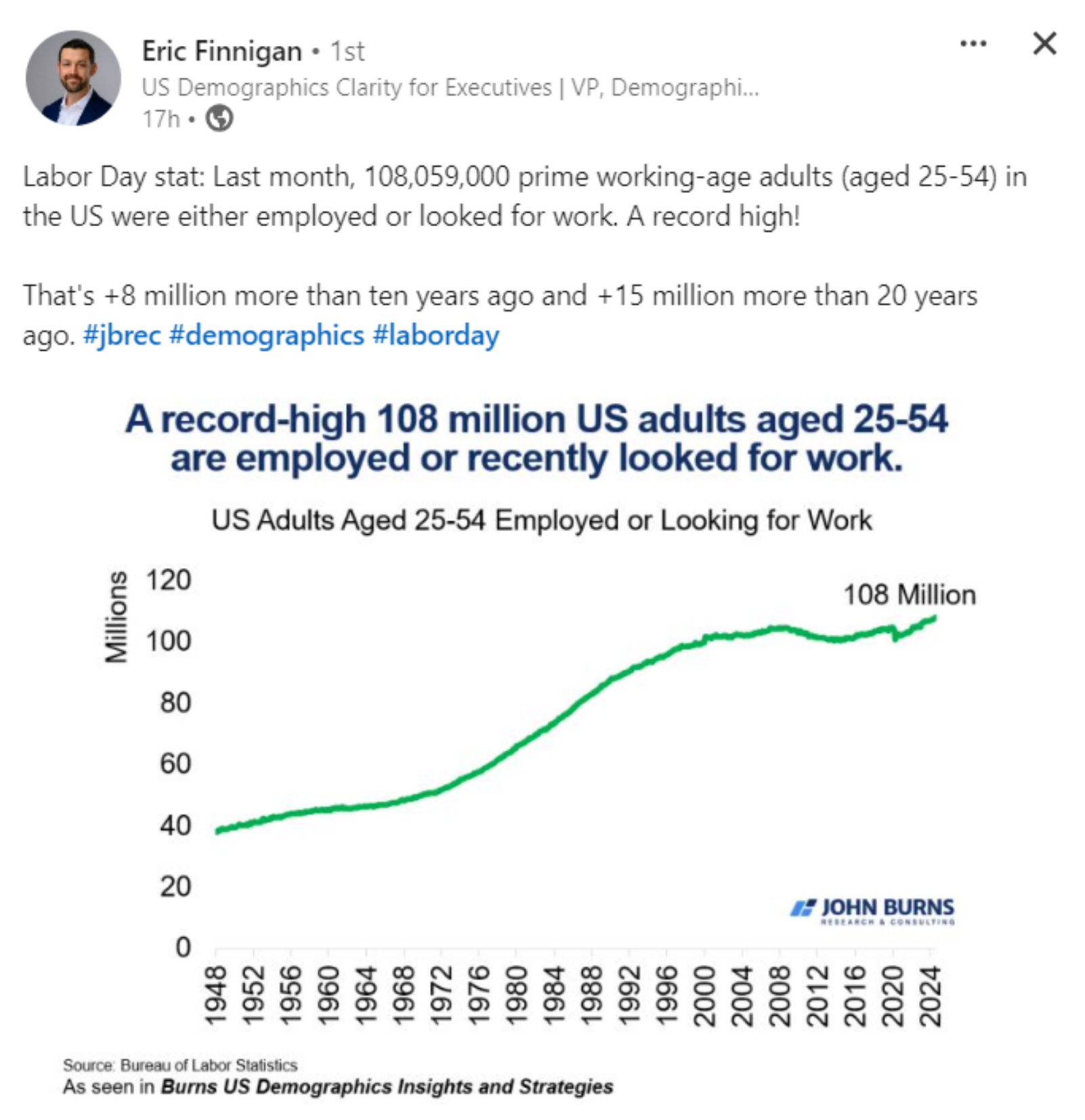
Why are they moving to America? The answer is simple and timeless: jobs. Just as our ancestors emigrated to America in search of better opportunities, today's global migrants are drawn to the U.S. for the same reason. The American labor market is thriving, with a record number of adults currently employed. As of now, there are approximately eight million job openings in the U.S., creating a magnet for those seeking work and a better life. The allure of opportunity continues to make America a top destination for those looking to build a brighter future.
Especially important, none of the above are a recommendations for you to buy or sell any security. This is for information purposes only. Please talk with your advisor regarding any advice around the subject matter and your goals.
Part II: Which Countries are Attracting Talent?
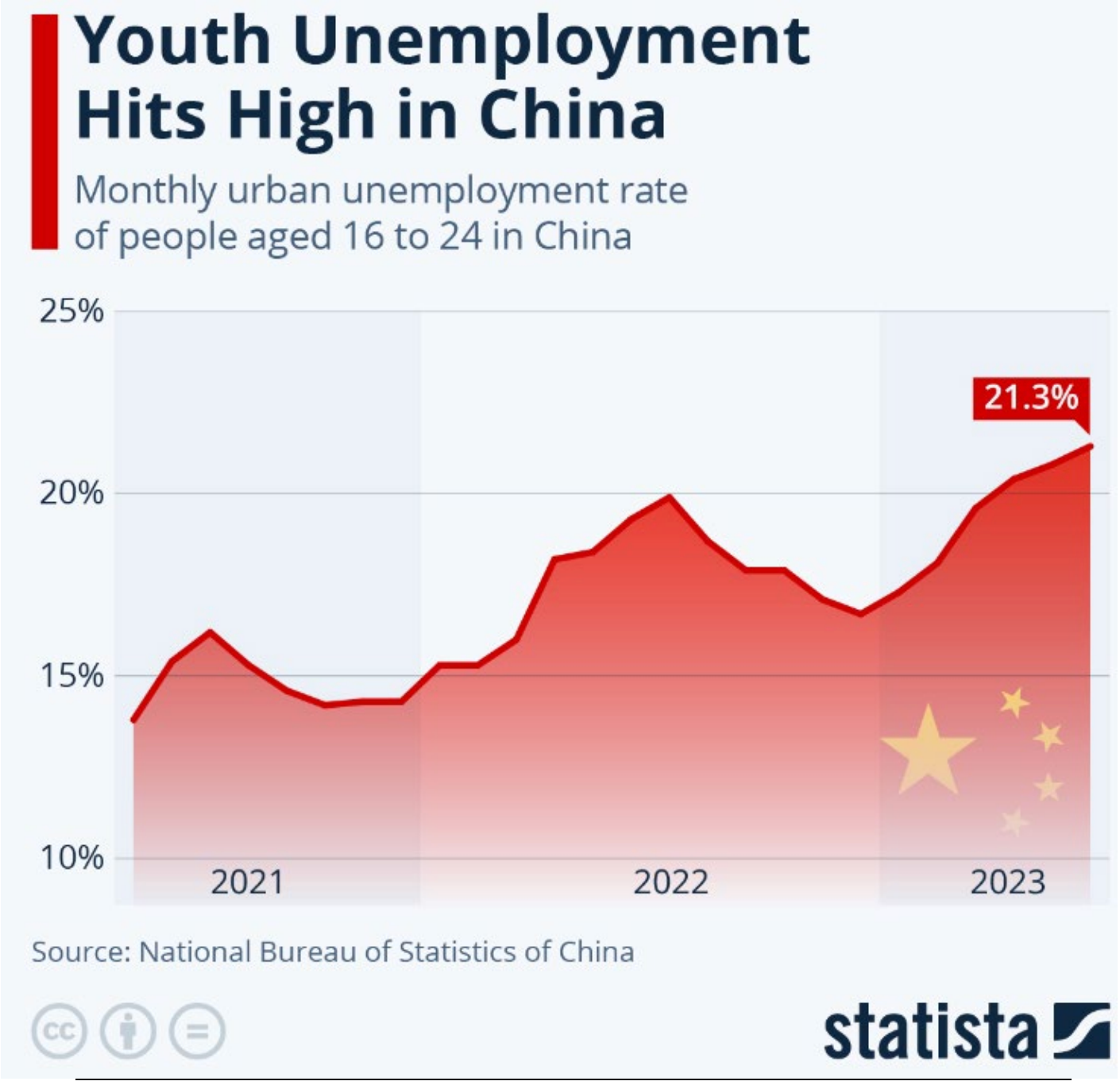
One of the most concerning indicators of China’s economic struggles following President Xi's shift towards a more Communist approach is the surge in youth unemployment. By the end of 2023, the youth unemployment rate had climbed to 21.3%.
The presence of so many young, unemployed individuals, particularly males, raises unsettling questions about the potential consequences. Historically, high levels of youth unemployment have been linked to social unrest and, in some cases, aggressive foreign policy moves. Could this translate into heightened geopolitical tensions or even military action?
Only time will tell.
Russian population growth has been shrinking every year since 1995 Population of Russia (2024 and historical)

Conclusion
Global Citizens are voting with their feet and wallets: Why? American exceptionalism. The answer lies in the unique opportunities the U.S. offers.
American venture capital embodies a spirit of risk-taking, with the willingness to invest in ideas that have a 90% chance of failure but a 10% chance of making a transformative impact. This is a stark contrast to China, where even the country’s most successful entrepreneurs, like Jack Ma, have faced sudden disappearances under the control of Communist leadership.
While Communism is “running on empty,” America has been fueled by a full tank of innovation and growth since 2010, propelling it forward like a rocket.
At the same time, China has increasingly focused on reshaping its educational system to align with Xi Jinping’s leadership. Textbooks have been revised to emphasize national security and loyalty to the Communist Party, reinforcing a controlled narrative in schools across the country (Source: The Wall Street Journal).
With the U.S. fostering a culture of innovation and open investment, and China tightening its grip on intellectual freedom, global investors face a choice. For those seeking growth, resilience, and a willingness to embrace the future, the decision is becoming increasingly clear.
Who do you want to bet on?
Running on Empty Song by Jackson Browne
Honey, you really tempt me
You know the way you look so kind
I'd love to stick around, but I'm running behind
(Running on) You know I don't even know what I'm hoping to find
(Running blind) Running into the sun, but I'm running behind
Thank you

Part I: China and Russia Demographics
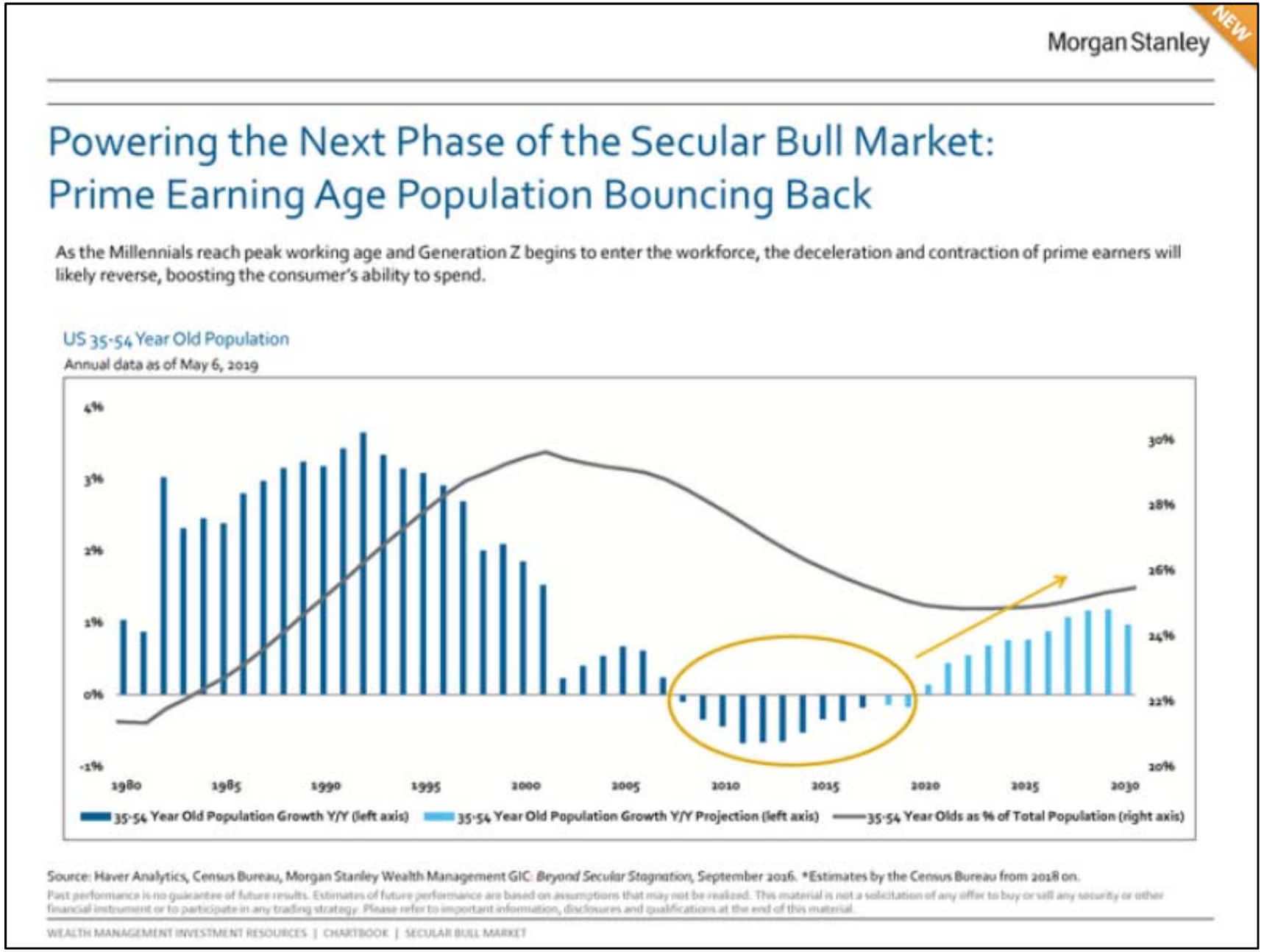
I have often emphasized that demographics are destiny—and for good reason. Economic growth is fundamentally tied to population growth. A young, vibrant workforce is essential for driving spending and productivity, as well as supporting a growing number of retirees.
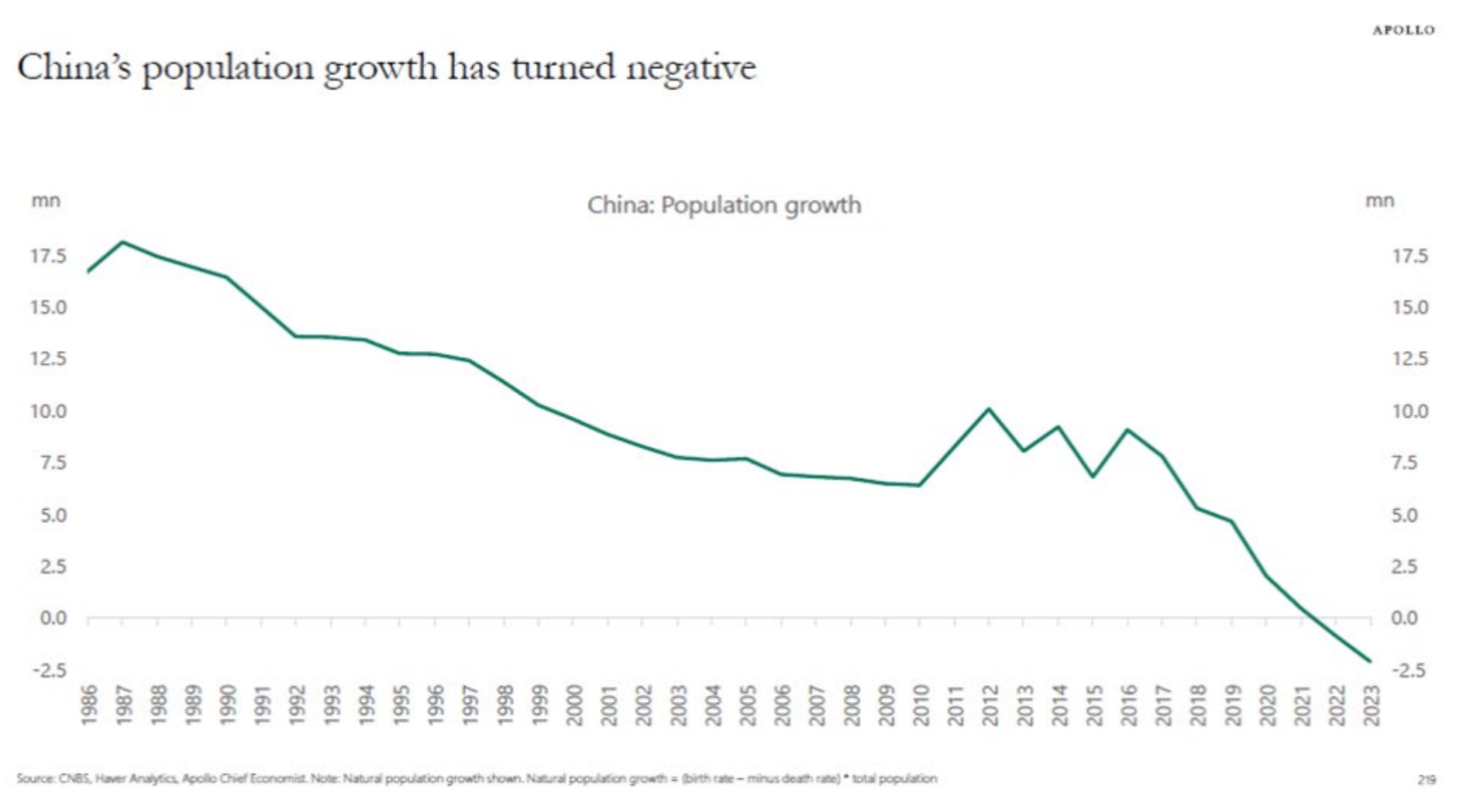
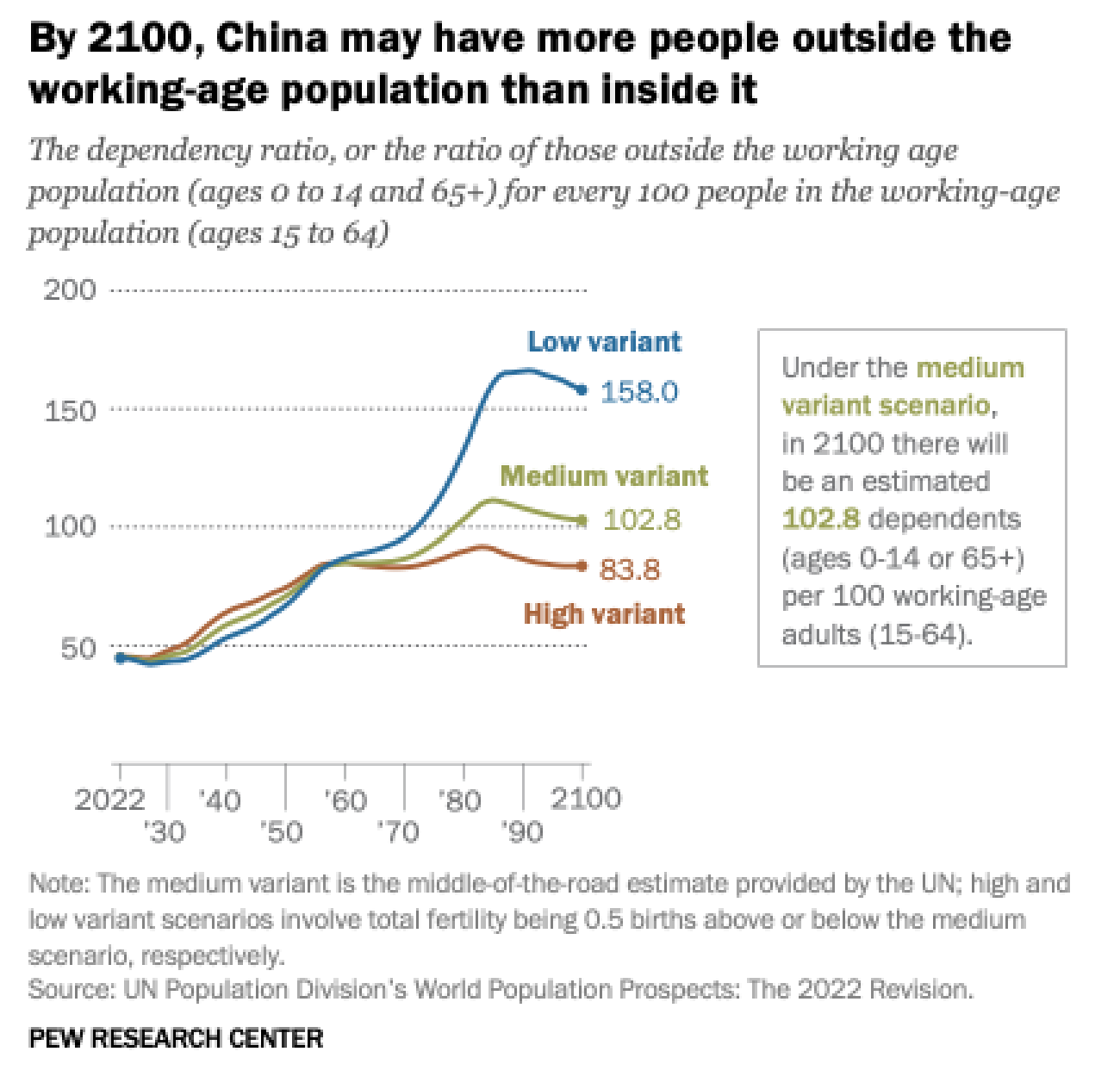
China’s demographic shift became evident in 2023, when its population began to decline—a direct result of the long-standing one-child policy imposed by the Communist regime. This shift is significant, as a growing labor force was once a key driver of China's economic expansion. Now, with a shrinking workforce, China faces a new reality that could hinder its growth prospects.
As Torsten Slok from Apollo notes, the decline in China’s population represents a critical challenge for the country's economic future.
This Team:
Or this team?