
Introduction
As we welcome the new year, it's a time filled with predictions, forecasts, and expectations about what lies ahead. But, in my view, the true question is: Do anybody really know what time it is?
In my past letters, I’ve often touched on the uncertainty of Wall Street’s predictions, and while forecasters are quick to offer their insights, the reality is no one has a crystal ball. So, rather than offering predictions for 2025, I’ve decided to take a different approach. In this letter, I’m posing 10 thought-provoking questions that I believe will shape not only the next five years but potentially the coming decades.
As I began researching the subject for my year-end letter, I found myself struggling more than usual to find a fresh angle. Another commentary on large-cap growth stocks outpacing all other investments seemed neither original nor insightful. Similarly, the constant stream of forecasts about interest rate movements felt equally uninspiring.
This letter, however, is a departure from my usual quarterly updates. Instead of providing answers, I’m sharing the questions I’m asking myself as I look ahead to 2025. It’s important to note that I never comment on politics, nor do I intend to here. The questions that follow are not meant to favor any particular legislative outcome or political viewpoint. They are simply reflections on the broader forces that will shape our world—and I write them as questions because, at this point, I don’t have the answers. What excites me is the potential for seeing these solutions unfold in real time during my lifetime.
Now, without further ado, here are the 10 questions I’m pondering as we step into 2025.
#1. Can DOGE Make Game-Changing Cuts?
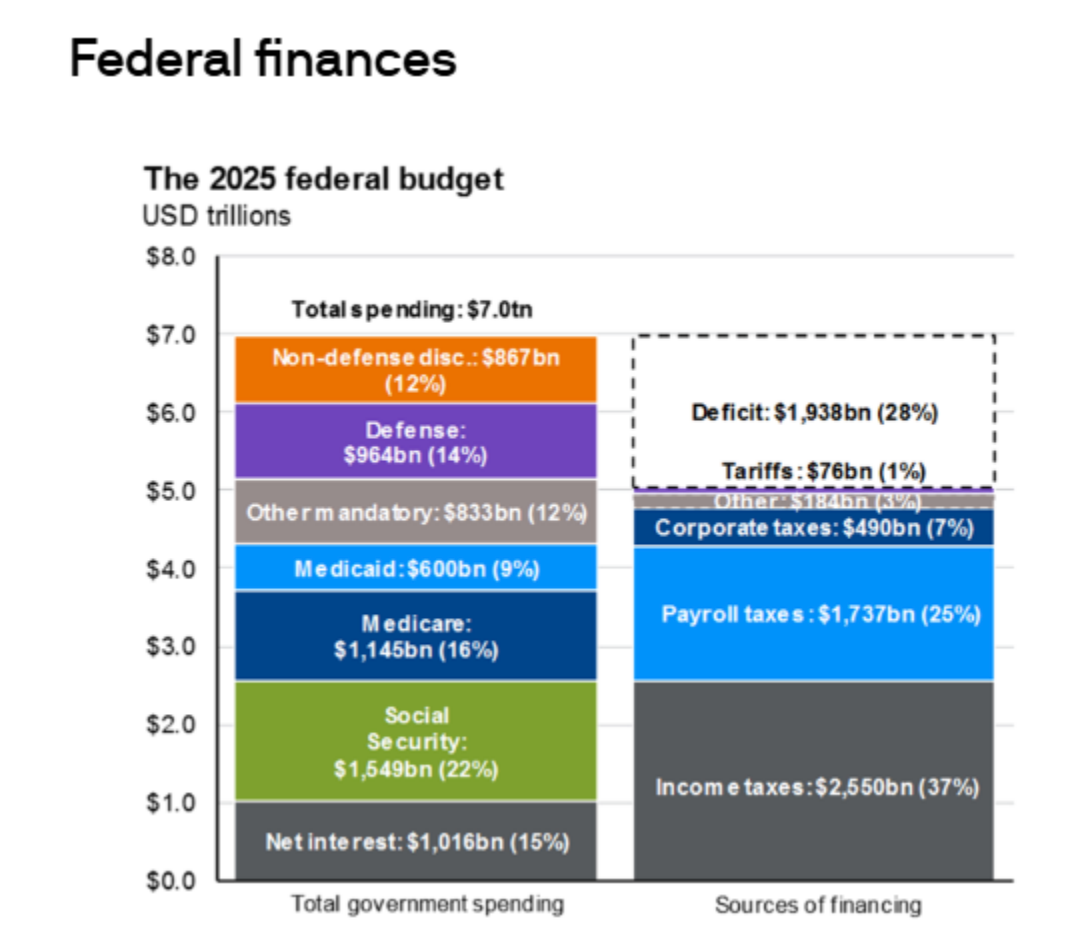
There’s been a lot of buzz recently about figures like Elon Musk and Vivek Ramaswamy pushing for deep cuts to government spending. But when we look closely at the numbers, we quickly realize that the road ahead is far from simple. The five largest areas of federal spending—Social Security, Defense, Medicare, Medicaid, and Net Interest—make up approximately 80% of the federal budget.
Cutting interest payments may be the most feasible, but the other categories are likely to grow, not shrink, due to the aging population and increasing global tensions. Historically, these "Big Five" have been off-limits to politicians—scaling them back is often seen as a political death sentence due to their importance to voters.
Does Anybody Really Know What Time It Is?
Song by Chicago
As I was walking down the street one day
A man came up to me and asked me
What the time was that was on my watch
Yeah, and I said
Does anybody really know what time it is?
(Care) does anybody really care?
(About time) you know, I can't imagine why
(Oh no, no) we've all got time enough to cry
These probabilistic return assumptions depend on current market conditions and, as such, may change over time.
IMPORTANT: The projections and other information generated by the Vanguard Capital Markets Model regarding the likelihood of various investment outcomes are hypothetical in nature, do not reflect actual investment results, and are not guarantees of future results. Distribution of return outcomes from the VCMM are derived from 10,000 simulations for each modeled asset class. Simulations are as of March 31, 2019. Results from the model may vary with each use and over time.
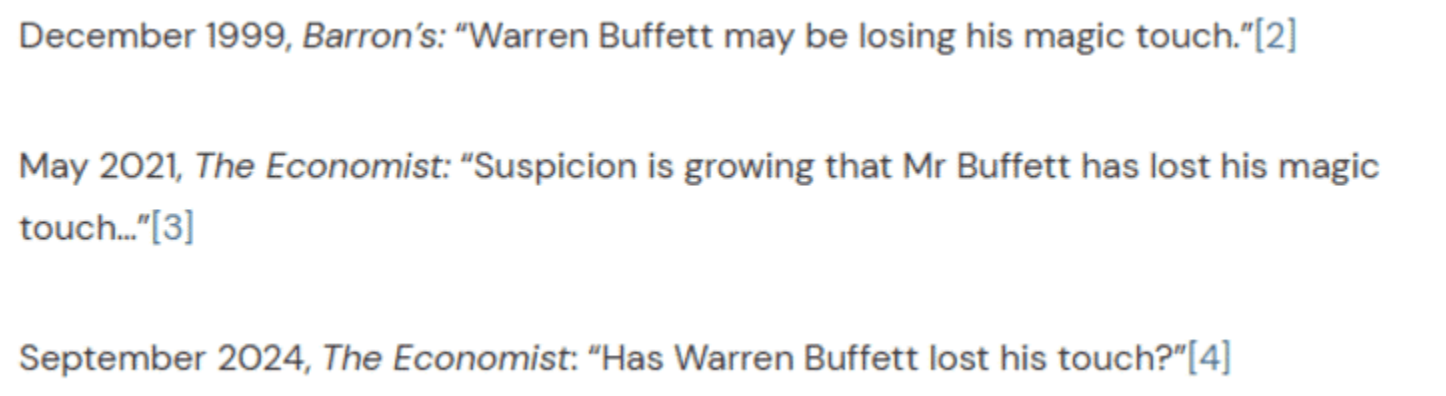
On December 7th, 1999, Barron’s published the infamous “What’s Wrong,Warren” cover eerily before the Nasdaq crashed 50% and Berkshire recovered years’ worth of underperformance.
The below graph plots the time period 6/30/98 through 2/29/00 for the Nasdaq where many dot-com and technology stocks traded, and the price of Berkshire Hathaway, Warren Buffett’s holding company, which consisted of value stocks:
https://kailashconcepts.com/ Kailash Concepts
Was the Nasdaq 100 20% rally in the first quarter a repeat of the above or a new bull market in tech? A big portion of the answer will come from the direction of interest rates. The Fed came in like a hurricane upending markets across the world, but we have not begun to feel the effects of higher interest rates working their way across the system. As rates settle into a new range, it will have a profound effect on new business initiatives going forward and be exacerbated by the recent regional bank speed bump that will reduce lending to small business owners. Below are Vanguard’s projected 10-year returns that I include at the end of every letter. The interesting data point is treasuries and high-quality corporate bonds have higher projected returns than growth stocks at one-quarter of the volatility.
Like Neil Young says “I want to love you but I’m getting blown away.”
#3. Why Would Anyone Invest Money in Europe? Or… Is the European Stock Market About to See the Biggest Reversion to the Mean vs. the U.S. in History?
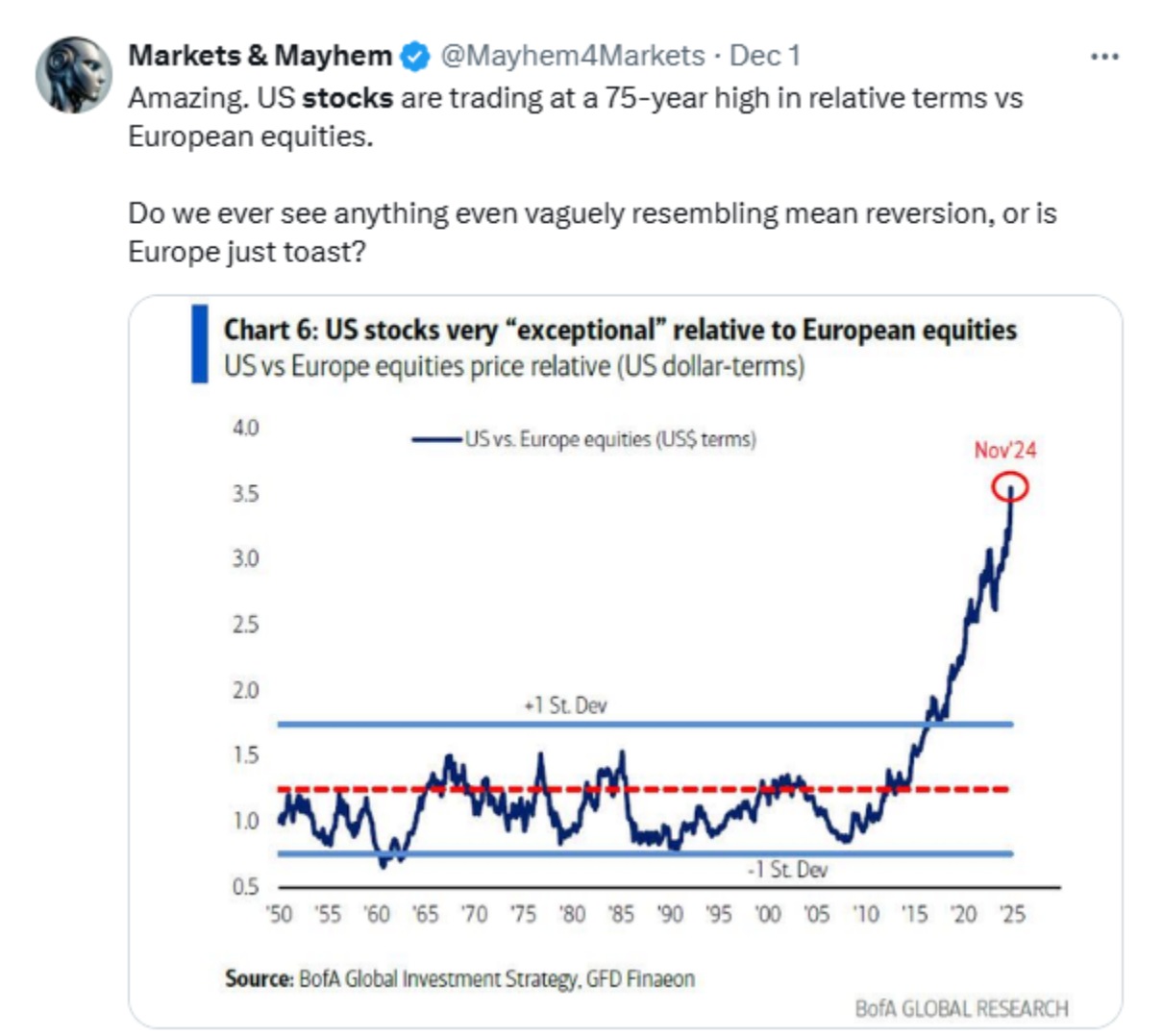
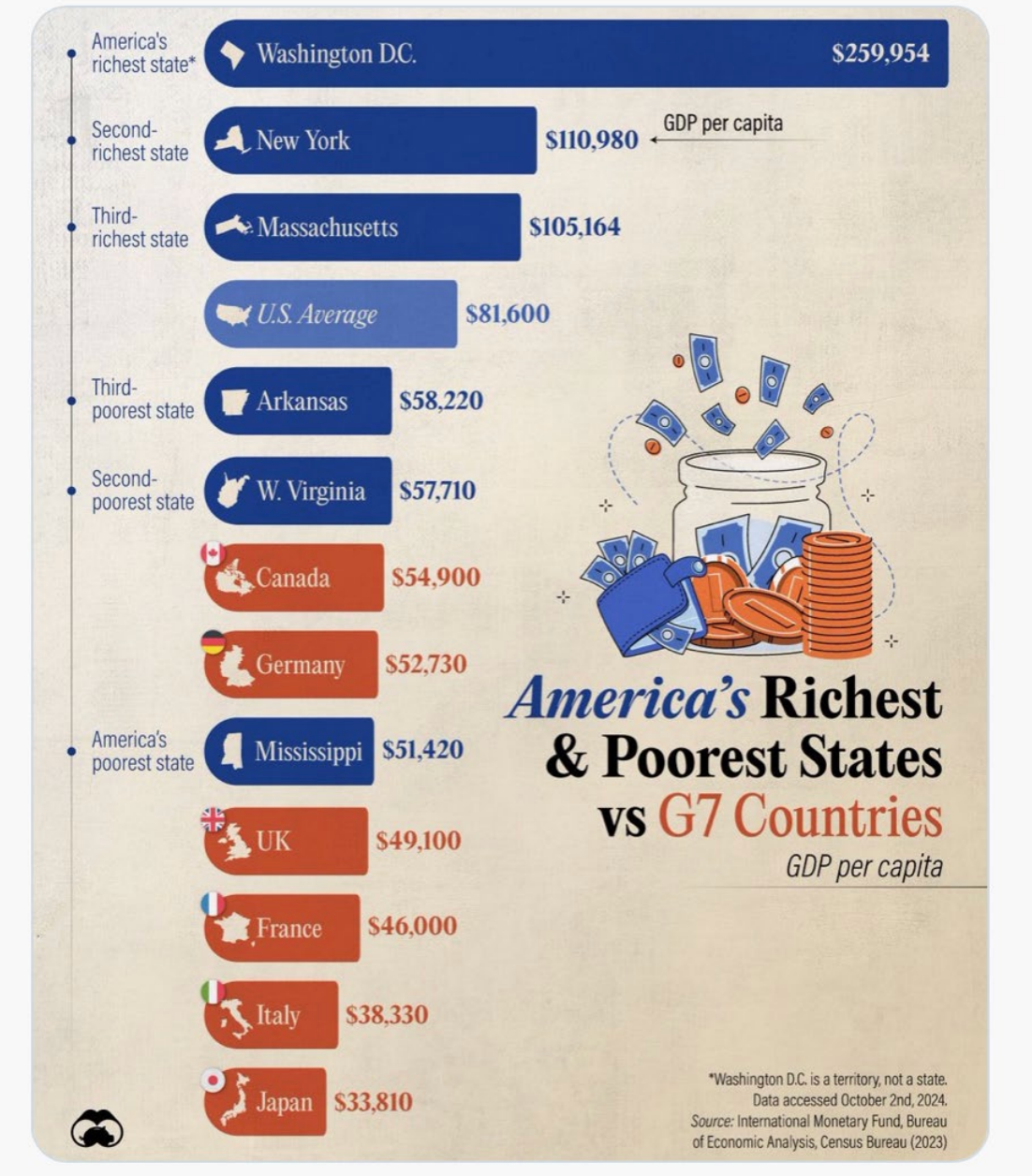
It’s a striking comparison: America's poorest state, Mississippi, has a higher GDP than France or Italy. Back in 2009, during my graduate studies at Penn, we read The European Dream by Rifkin, and the professor was enthusiastic about the European Union’s model, predicting it would eventually surpass the United States’ "radical free markets." How did that prediction play out? By 2010, the gap between the U.S. and the rest of the world had widened to an unprecedented level, with American exceptionalism dominating at a rate never seen before in history.
Leveraged loans are up 50 percent since 2015
Leveraged loans, which are issued by overleveraged companies with insufficient cash flows, are part of what Wolf Richter recently called the “gigantic pile of risky corporate debt that is now being brutally repriced as concerns over credit risk (the risk of default) are finally bubbling to the surface.” According to Richter, the S&P/LSTA US Leveraged Loan 100 Index, which tracks the prices of the largest leveraged loans, has plunged by 20 percent since February 22nd.
According to Richter, leveraged loans “are traded in slices like securities or are packaged into highly rated Collateralized Loan Obligations (CLOs). But for years, investors had the hots for them, driven by their relentless chase for yield, in a world of interest rate repression.”
These companies, noted Richter, were often acquired by private equity firms through leveraged buyouts, which means they loaded up those companies with lots of debt. In addition, “PE firms extracted special dividends from their companies,” which were funded by leveraged loans. That’s a form of asset stripping and it leaves the company “more leveraged, more precarious and more likely to topple. But who cares? Those were the good times and the chase for yield was on,” lamented Richter.
Disclosures
Lansing Street Advisors, LLC is a registered investment advisor with the State of Pennsylvania. You can read more about the Lansing team at http://www.lansingadv.com/
To the extent that content includes references to securities, those references do not constitute an offer or solicitation to buy, sell or hold such security as information is provided for educational purposes only. Articles should not be considered investment advice and the information contained within should not be relied upon in assessing whether to invest in any securities or asset classes mentioned. Articles have been prepared without regard to the individual financial circumstances and objectives of persons who receive it. Securities discussed may not be suitable for all investors. Please keep in mind that a company’s past financial performance, including the performance of its share price, does not guarantee future results.
Material compiled by Lansing is based on publicly available data at the time of compilation. Lansing makes no warranties or representations of any kind relating to the accuracy, completeness or timeliness of the data and shall not have liability for any damages of any kind relating to the use of such data.
Material for market review represents an assessment of the market environment at a specific point in time and is not intended to be forecast of future events or guarantee of future results.
Indices that may be included herein are unmanaged indices and one cannot directly invest in an index. Index returns do not reflect the impact of any management fees, transaction costs or expenses. The index information included herein is for illustrative purposes only.
The trademarks and service marks contained herein are the property of their respective owners.
Lansing Street Advisors is a registered investment adviser. Information presented is for educational purposes only and does not intend to make an offer or solicitation for the sale or purchase of any specific securities, investments, or investment strategies. Investments involve risk and, unless otherwise stated, are not guaranteed. Be sure to first consult with a qualified financial adviser and/or tax professional before implementing any strategy discussed herein. Past performance is not indicative of future performance.
Lansing Street Advisors may discuss and display, charts, graphs, formulas which are not intended to be used by themselves to determine which securities to buy or sell, or when to buy or sell them. Such charts and graphs offer limited information and should not be used on their own to make investment decisions.

Especially important, none of the above are a recommendations for you to buy or sell any security. This is for information purposes only. Please talk with your advisor regarding any advice around the subject matter and your goals.
#2. Will Warren Buffett Be Right Again?
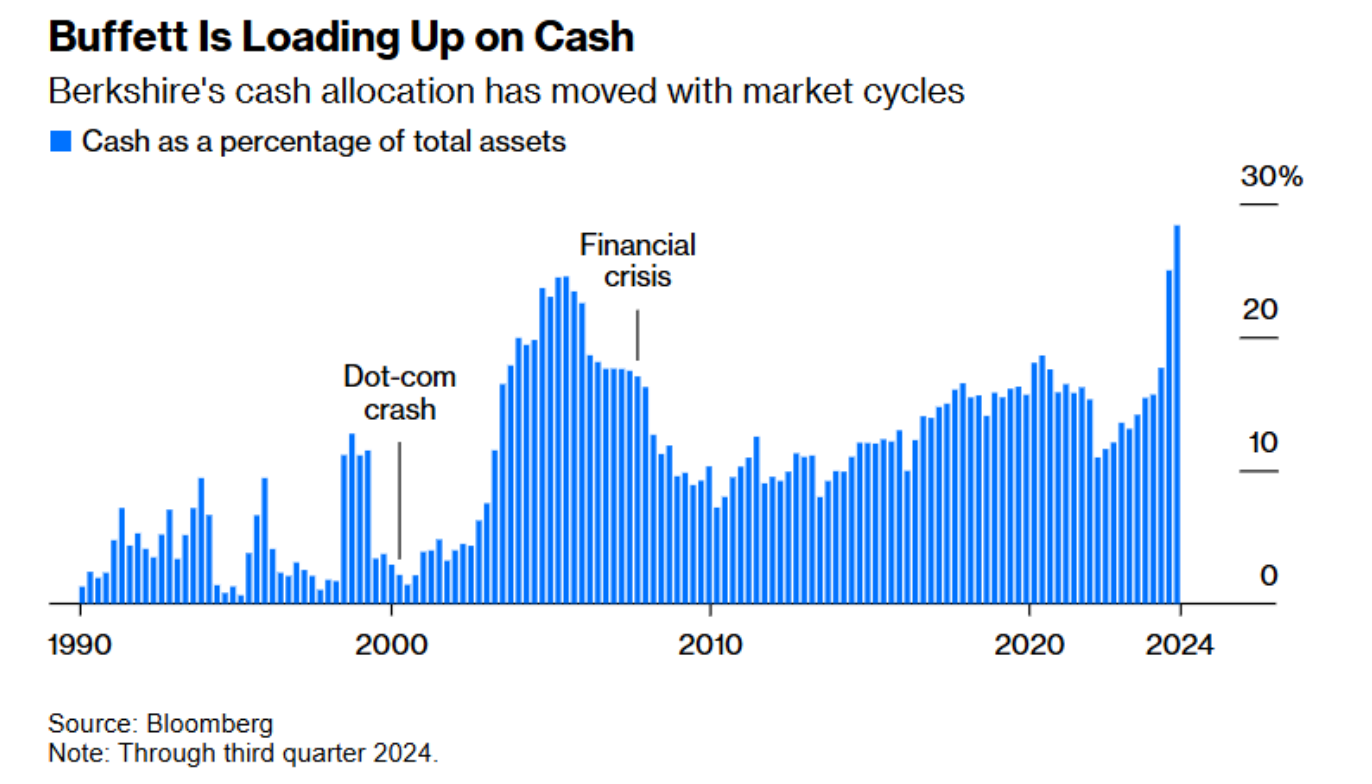
Warren Buffett made headlines recently by selling off his entire position in Apple and raising his cash holdings to nearly 30% of his portfolio. This move has raised eyebrows, but if history is any guide, we may be witnessing another example of the Oracle of Omaha’s long-term wisdom.
Looking back, we see that the last two times Buffett significantly raised cash were during the Dotcom Bubble and the 2008 housing crisis. In both instances, he was early in pulling back, but ultimately, he was proven right. At the time, his decisions were met with heavy skepticism, but in hindsight, they were masterstrokes.
A recent example of how quickly speculation can unravel comes from Nvidia. When CEO Jensen Huang made a single cautious comment about quantum computing, the quantum stock sub-sector plunged by -50% in just two days. It’s a reminder of how volatile and speculative markets can be.
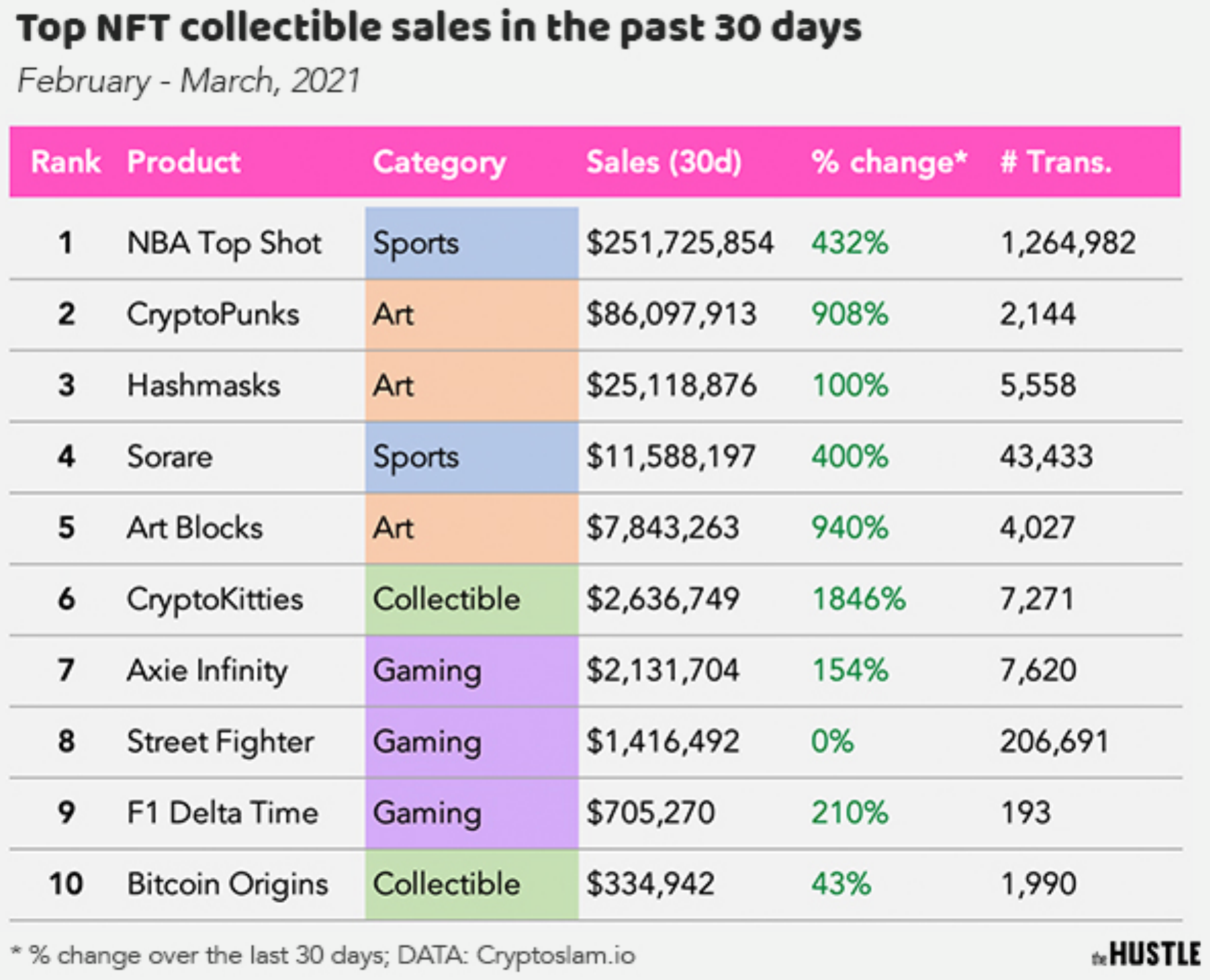
Speaking of speculative bubbles, let’s not forget that at one point in December, "Fartcoin" (a satirical reference to meme coins) was worth more than 40% of all listed American stocks. Just saying!
#10. Will the Bond Market Rise Again?
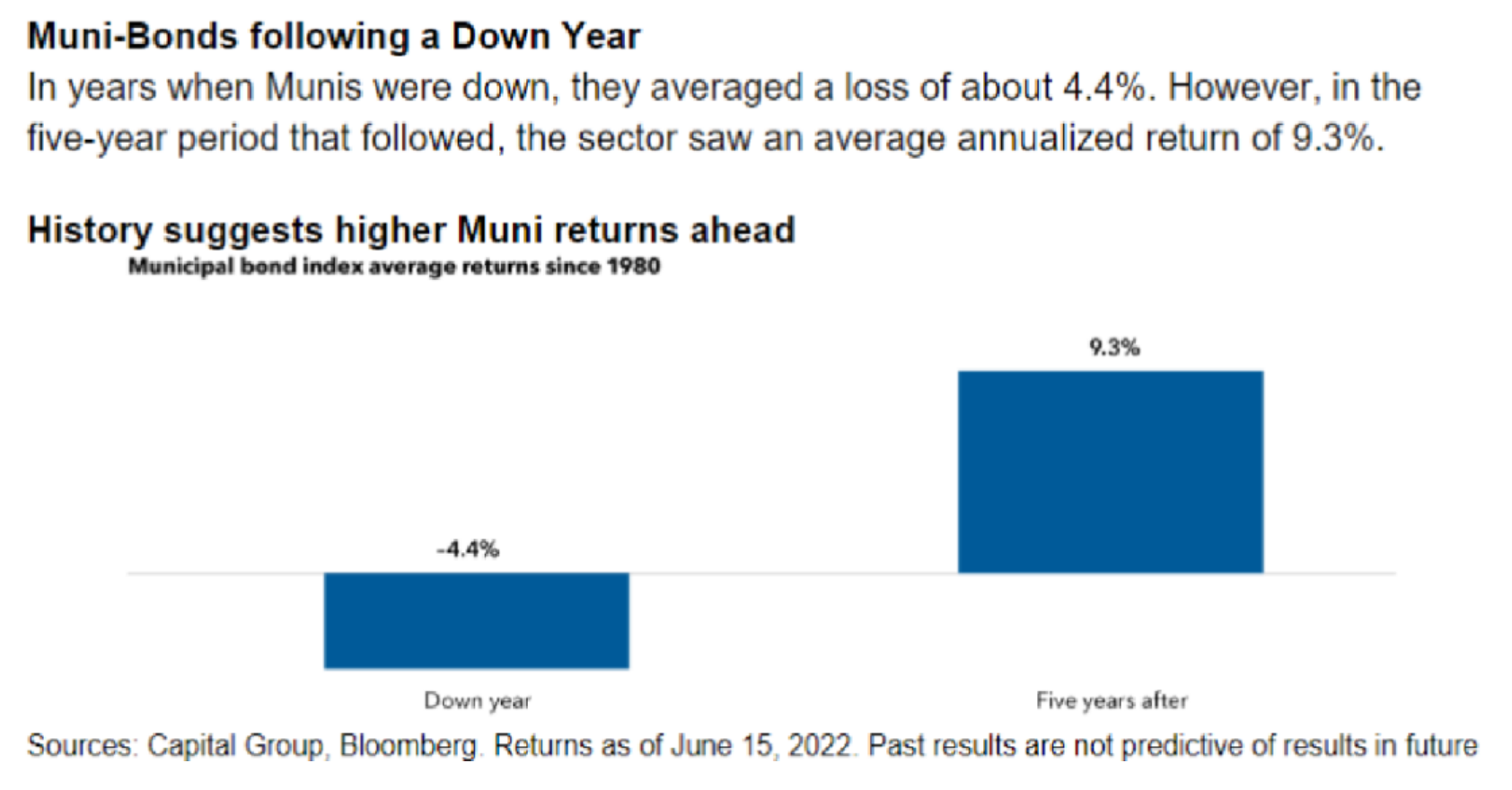
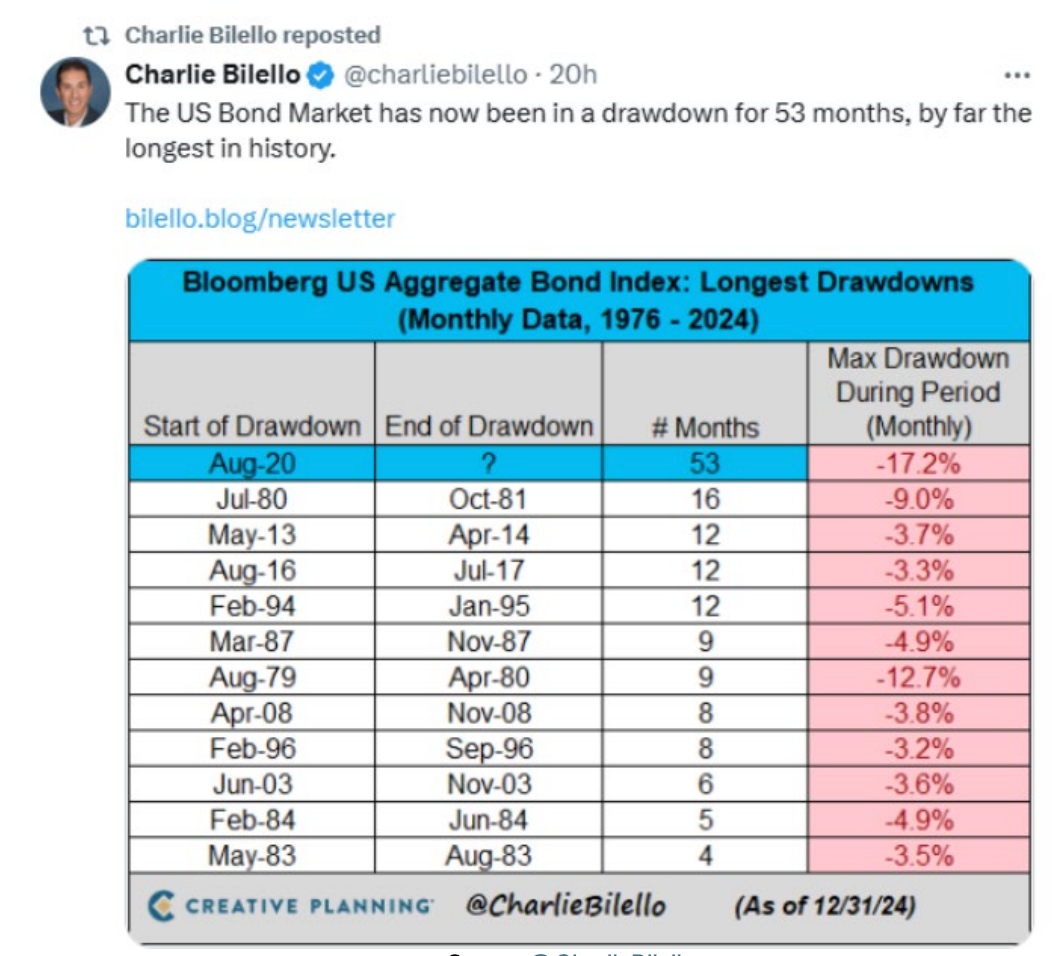
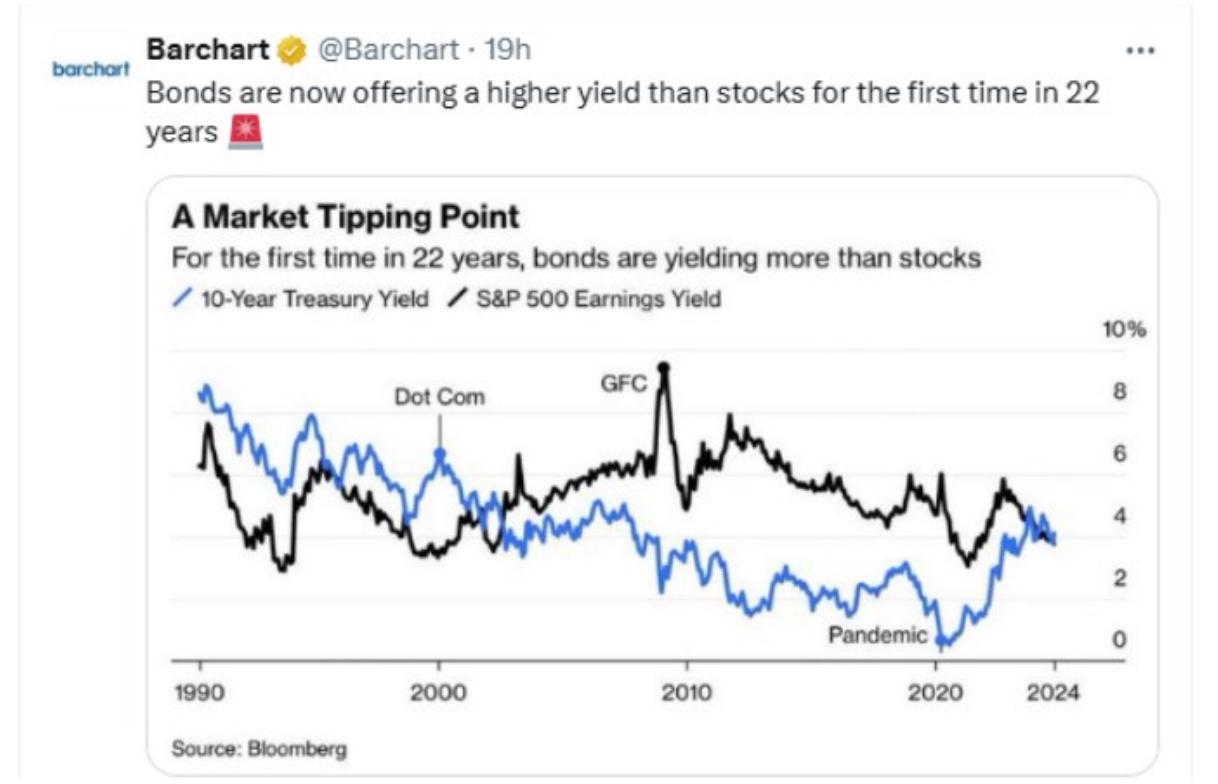
Bonds are certainly out of favor right now. While Americans have enjoyed 5% risk-free returns over the past couple of years, we are currently in the midst of the largest bond bear market in history. The bond market has been in a drawdown for 53 consecutive months, and diversified bond funds have underperformed inflation for nearly a decade. In 2022, when the stock market crashed, bonds suffered a mid-teens selloff as well.
There are several traditional indicators that suggest stocks are expensive and bonds are currently undervalued. Most capital asset pricing models project that bonds will outperform growth stocks over the next 10 years. However, these quantitative predictions have proven wrong over the past decade.
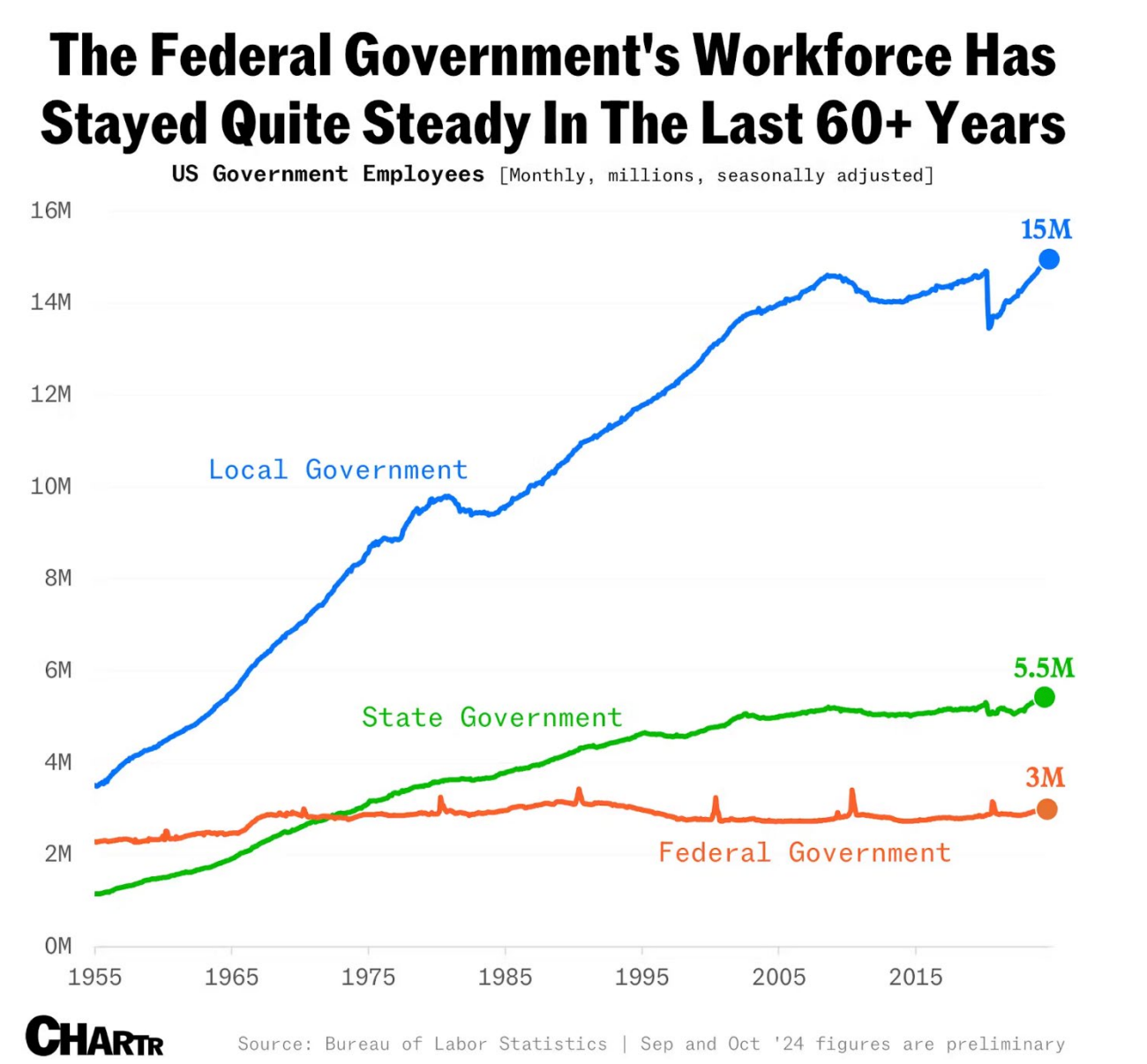
The next big focus for DOGE may be reducing the number of federal government employees. The issue here, however, is that the size of the federal workforce hasn’t grown since World War II. While state and local government employment has surged in recent decades, the federal workforce has remained relatively flat.
While I’m all in favor of reducing unnecessary bureaucracy, particularly when it comes to supporting small businesses, we must approach these issues with a dose of reality. There are no simple solutions, and we must set reasonable expectations for what can truly be achieved.
All the previous Buffett examples I mentioned were met with skepticism.
“This leads to such headlines as those below during periods when stocks hit peaks
Fast forward to today, and there’s an interesting mathematical aspect to consider. The U.S. stock market is trading at a 75-year high relative to European equities. So, the question arises: Is Europe simply a permanent “adult Disneyland” for Americans, or are we about to witness the most significant reversion to the mean in history?
Europe faces some daunting challenges. Can they overcome their demographic issues? Can they foster an entrepreneurial spirit to drive innovation? Can they reverse the trend of de-industrialization? And perhaps most critically, can they take a leading role in emerging technologies?
The biggest technology conference in the world CES happened in Las Vegas last week, here is value investor Vitaliy Katsenelson’s observation.
I was only mildly surprised by how few European companies were at the show. It's a very broad generalization, but Europe seems to be running on fumes of past glory. Western Europe has become a pro at regulation and mastered the redistribution of wealth (activities that don't help innovation or economic growth), and not much else. Yes, there are exceptions, but that's the point – they are exceptions. If Europe doesn't change course, eventually it will run out of fumes.
I don’t have the answers, but these are questions worth pondering as we look to the future of global markets.
#4. Will the U.S. Dollar Weaken? Why Do Pundits Insist Every Year to Write About the “Collapse” of the U.S. Dollar?
One of the favorite theses among critics of the U.S. market is the idea that the U.S. dollar will collapse, driven by our national debt and the exodus of foreign investors. For 29 years, I’ve started each new year reading pundits predicting the end of the U.S. dollar.
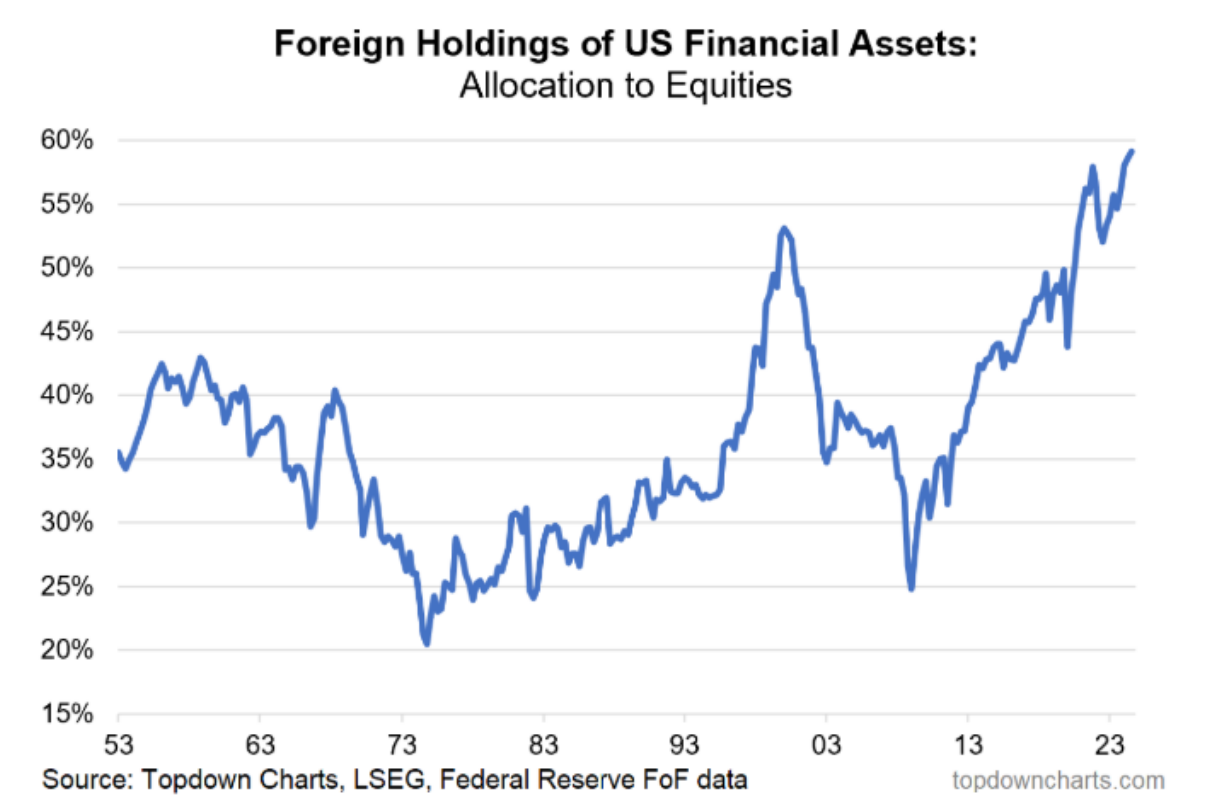
However, when we look at the numbers, the situation doesn’t support this narrative. Foreign investors simply can’t move enough money out of the U.S. to make a significant impact. In fact, a record amount of capital is flowing into U.S. equities.
Foreign Fervor: Foreign investors continue to rotate more and more into U.S. equities, setting another record high for this indicator in Q3. When comparing this to the highs of the dot-com bubble and the lows of the 2008 financial crisis, the chart paints a picture of continued confidence in the U.S. market.
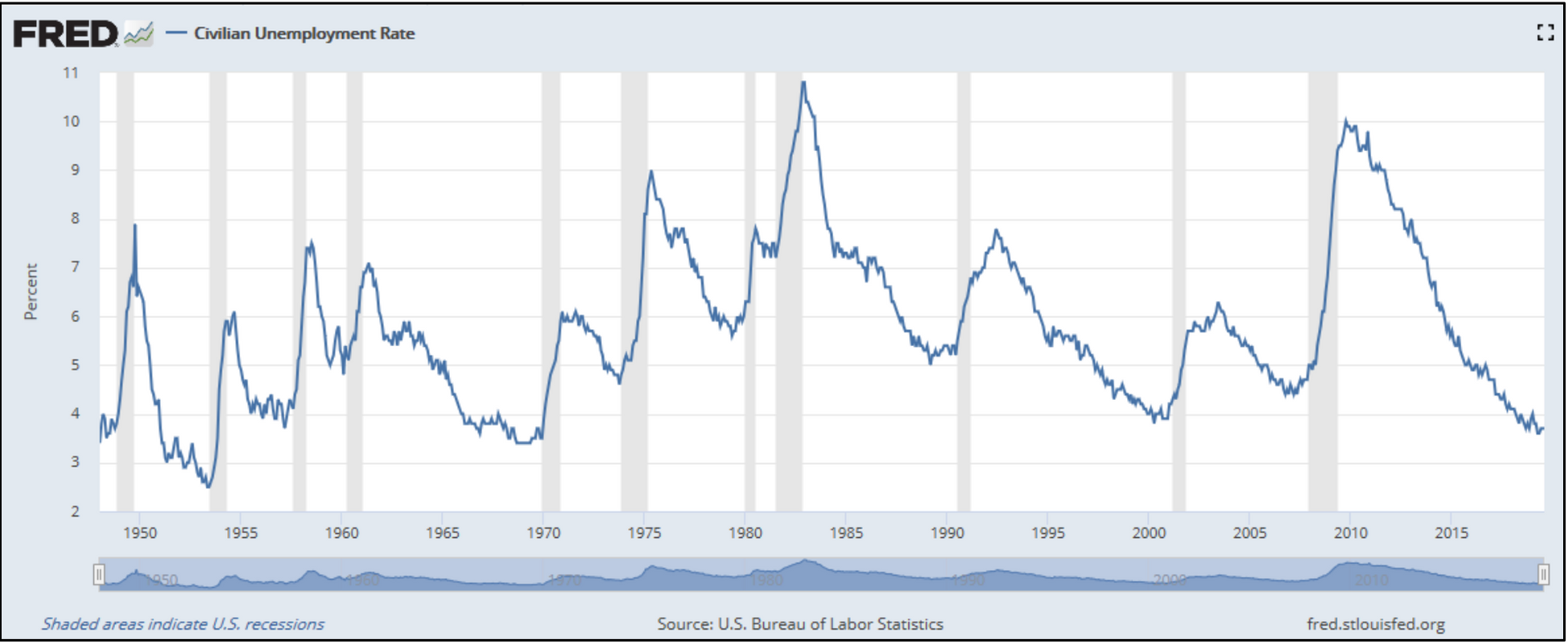
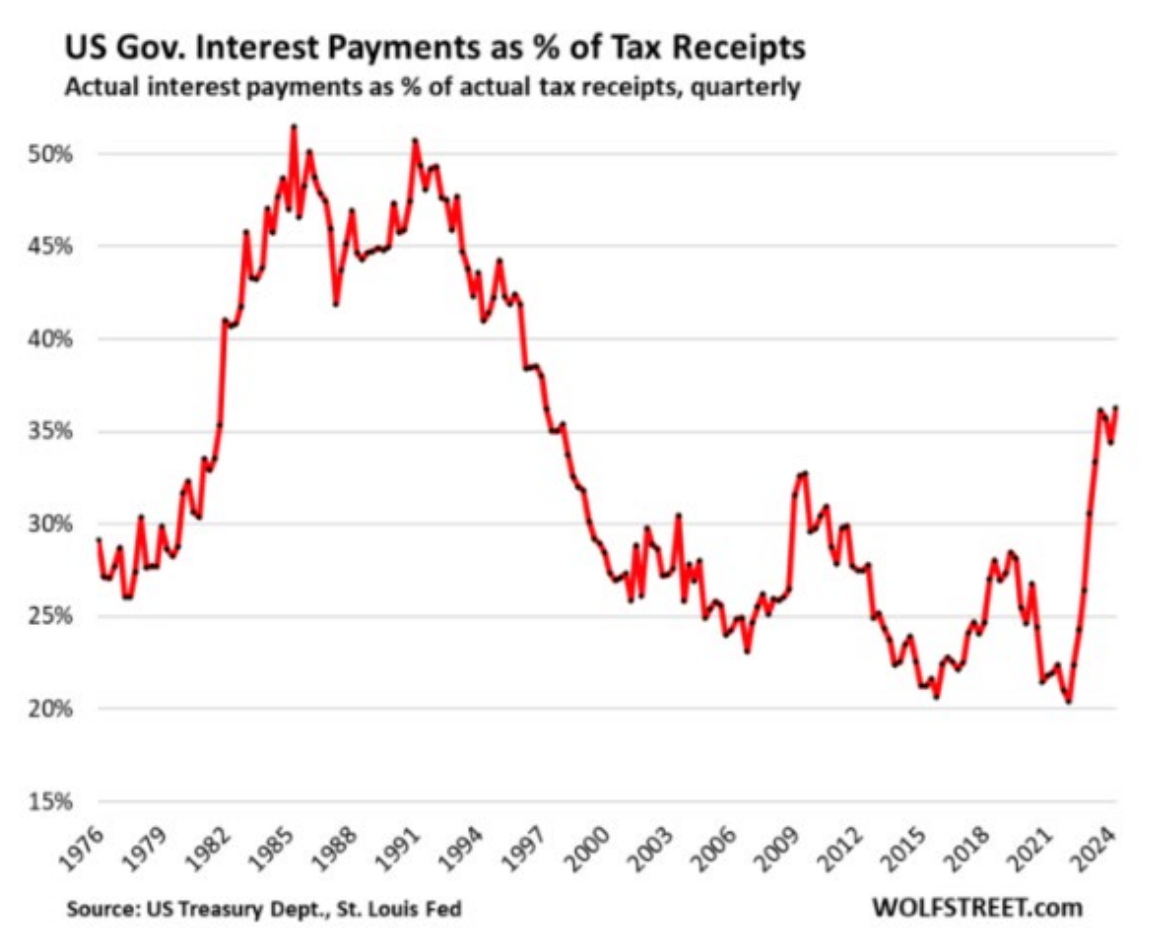
Now, is the U.S. government’s debt situation ideal? No. Should we address it? Absolutely. But is it a crisis? Not at the moment. When we look at interest payments as a percentage of tax receipts, we find they are currently at the median level for the last 75 years — lower than the peaks of the 1970s and 1980s.
U.S. Government Interest Payments as a Percentage of Tax Receipts: Lower than in the 70s and 80s.
So, will this be the year the dollar collapses? While it may weaken at times due to shifting global dynamics, a collapse remains highly unlikely given the fundamentals.
#5. Has Private Equity Killed Small-Cap Stocks Forever?
I entered the business in 1997, at a time when small-cap stocks were the undisputed kings of the market. The internet bubble was in full swing, and the IPO market was booming. Fast forward to today, and we find ourselves in a period of significant small-cap underperformance.
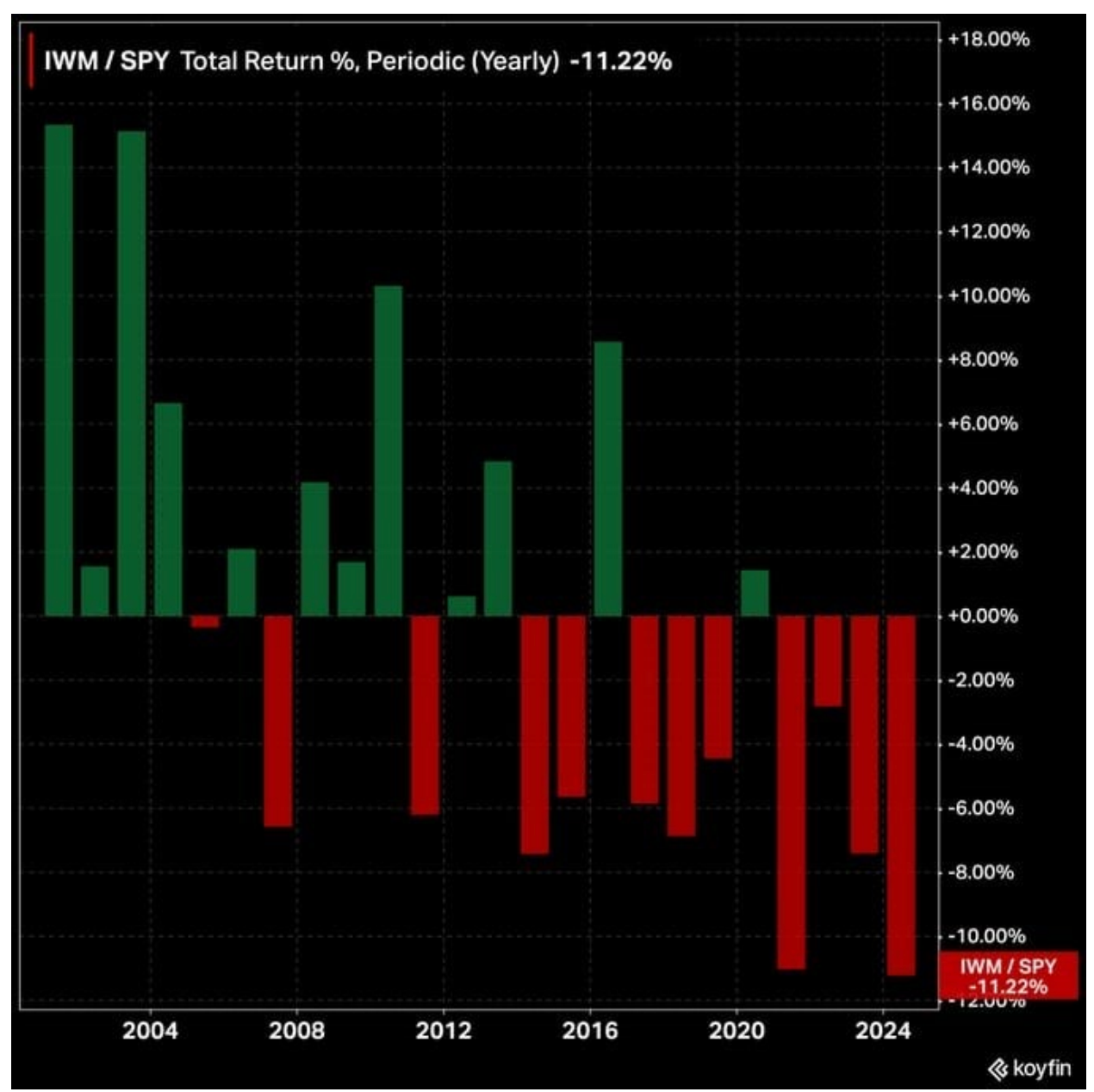
The Russell 2000 (small caps) has lagged the S&P 500 in 9 of the last 11 years, including a recent four-year streak of underperformance. During this same time frame, private equity has grown explosively. So, is the current cycle of smallcap struggles just a temporary downturn that will eventually revert to the mean? Or has private equity fundamentally altered the landscape, putting small public stocks out of business for good?
“Small vs. large performance. Small caps are on a four-year losing streak and are having their worst year relative to the S&P 500 since 1998.”
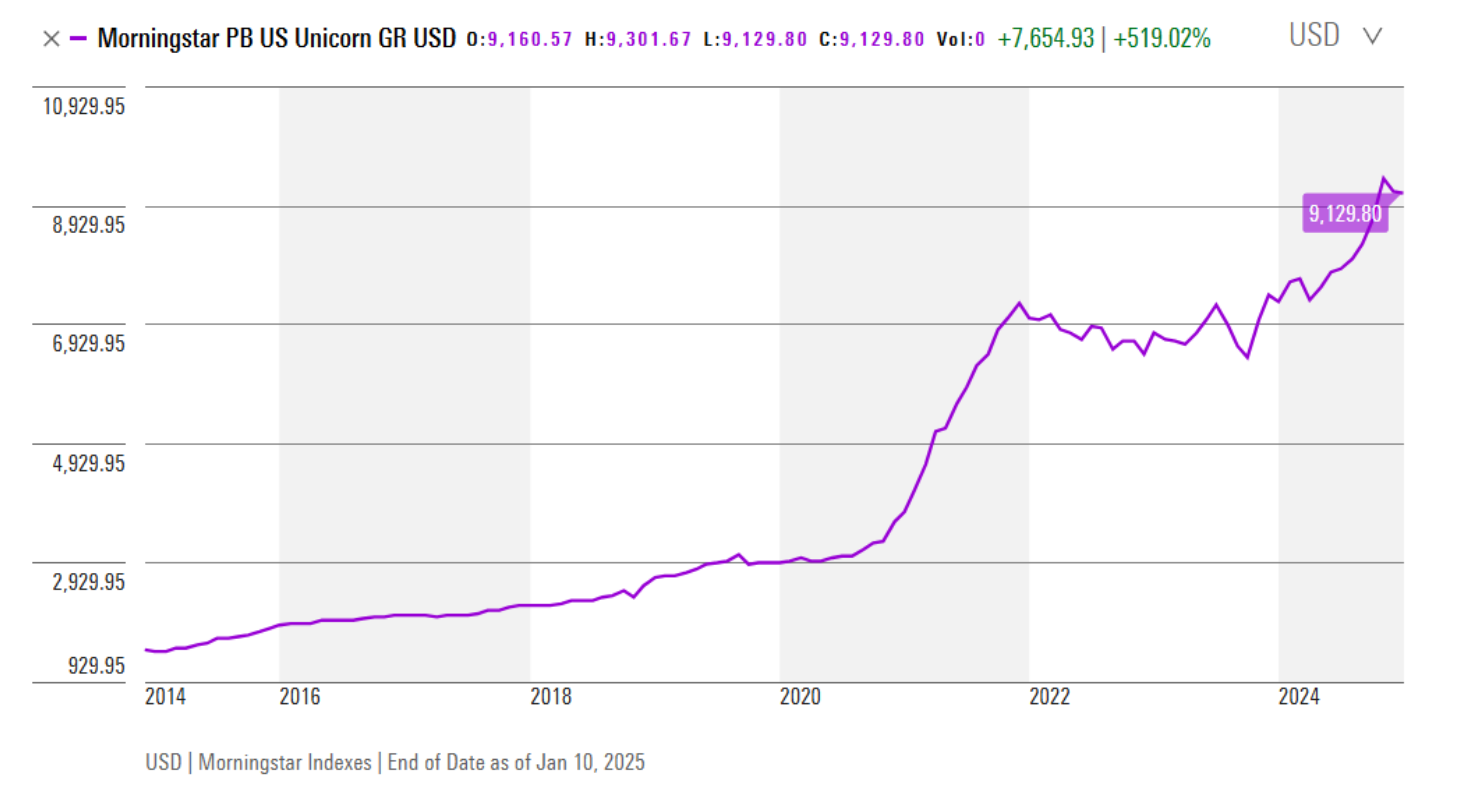
While small-cap stocks have faced substantial underperformance, the number of private equity “unicorns” (companies with valuations of $1 billion or more) has soared by 1,100%. These companies are staying private, largely due to the democratization and institutionalization of private equity.
Private Equity Unicorns ($1B Valuation) Have Grown 1,100% Since 2014
The Morningstar Pitchbook U.S. Unicorn Index tracks late-stage, privately-held, venture-backed U.S. companies with valuations of at least $1 billion. As of recent data, the number of companies in this index has increased by an astounding 1,100% since 2014, while the public small-cap market has been shrinking.
So, is this a permanent trend, or will private equity-backed companies eventually be forced to go public through IPOs for liquidity purposes? This leads directly to our next question.
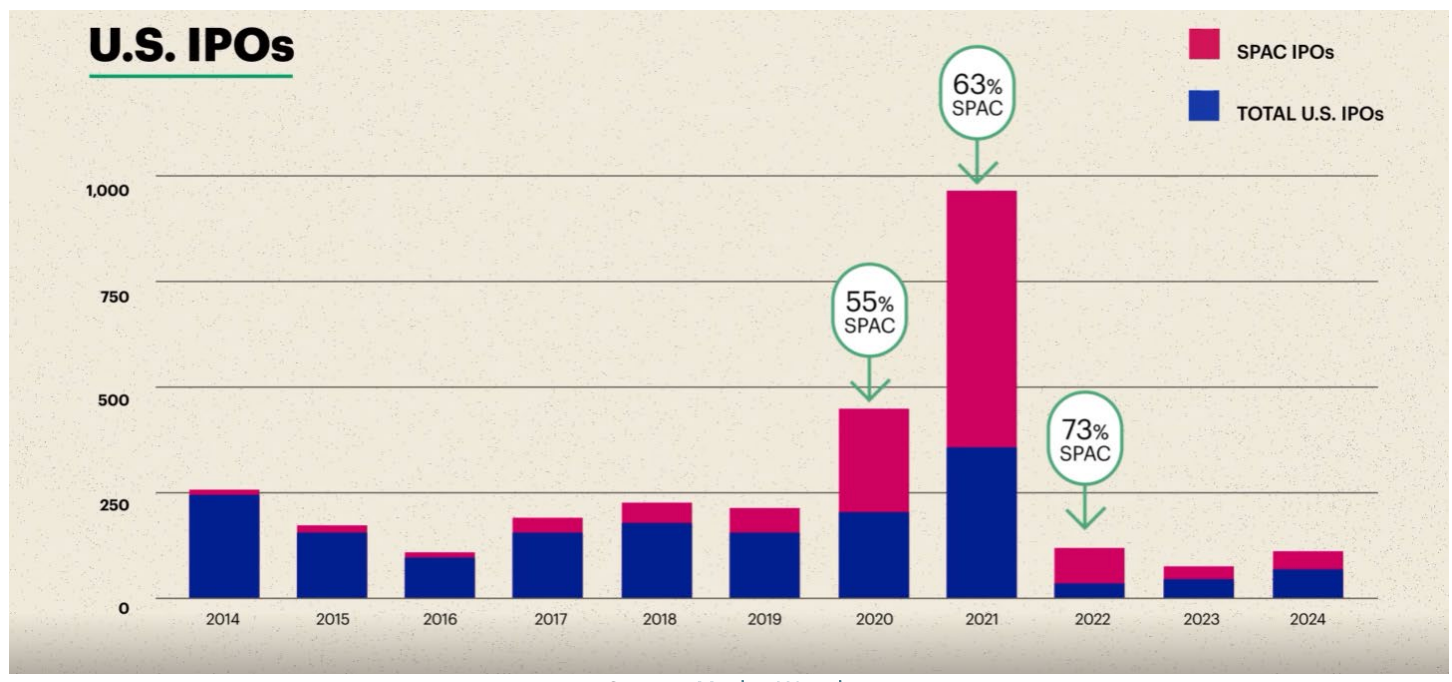
#6. Has Private Equity Killed the IPO Market Forever?
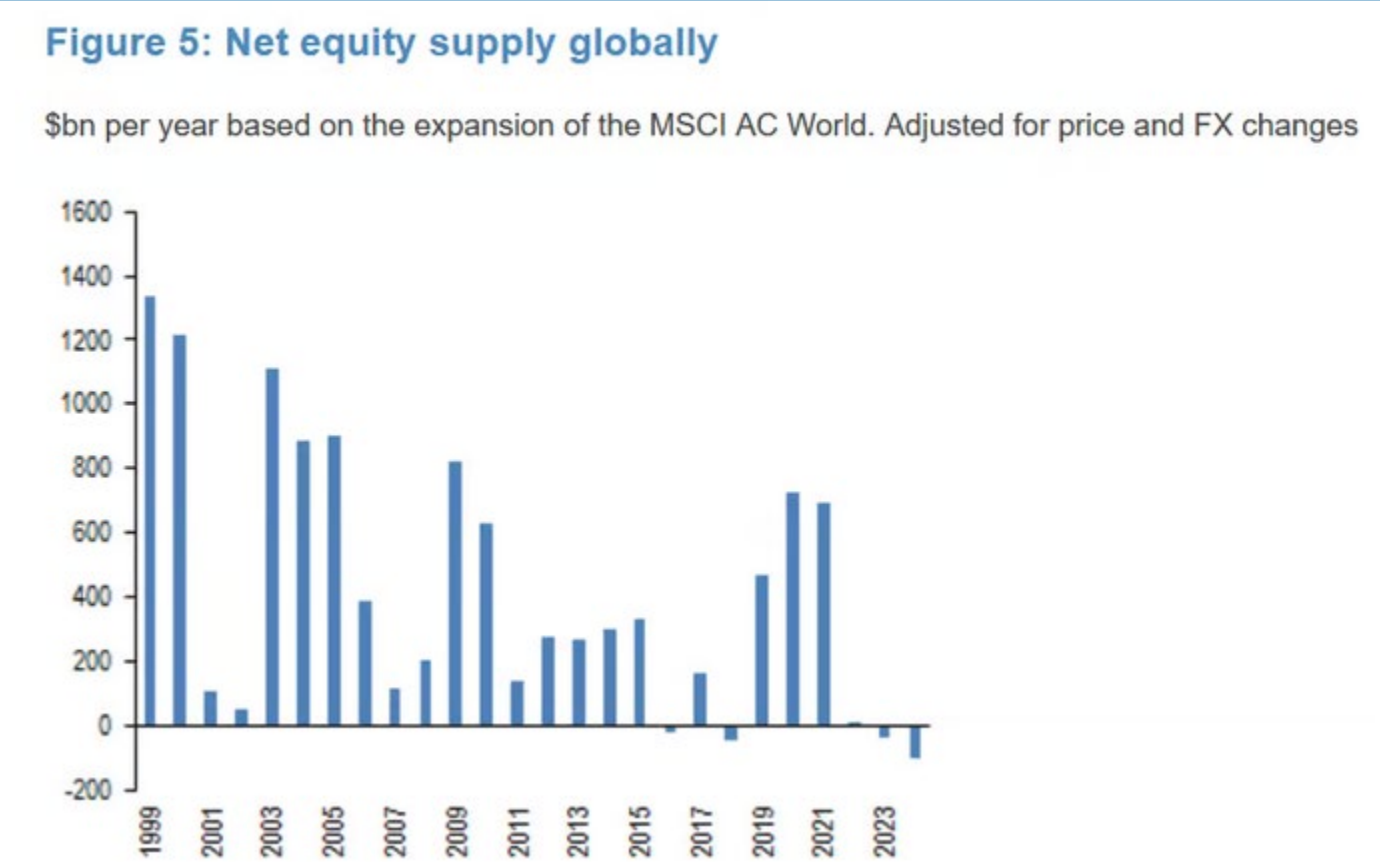
The first chart below highlights a concerning trend: the shrinkage of net equity supply globally. For the past three years, this chart has shown a negative net supply, meaning more companies have been exiting the public markets than are entering through IPOs. When we factor in SPACs (Special Purpose Acquisition Companies), the story becomes even more pessimistic. If we remove SPACs from the equation, it becomes clear that the traditional IPO market has been essentially dormant for a decade. The profitability that used to be a major draw for the small-cap IPO market has now largely shifted into the hands of private equity managers.
"Unlike previous risk frenzies, this one lacks an equity supply response. This year is tracking to a net negative, marking three consecutive years of no supply, with a rolling three-year negative number."
So, what does the future hold? The years 2025 and 2026 will likely provide the answer to this pressing question: Will we see an IPO boom, as often happens before a traditional bull market ends? Or has the IPO boom lost its significance in the current market landscape?
Private equity funds need liquidity, and that raises another question: Will private owners and fund managers be willing to accept lower valuations from Wall Street in exchange for the liquidity an IPO provides?
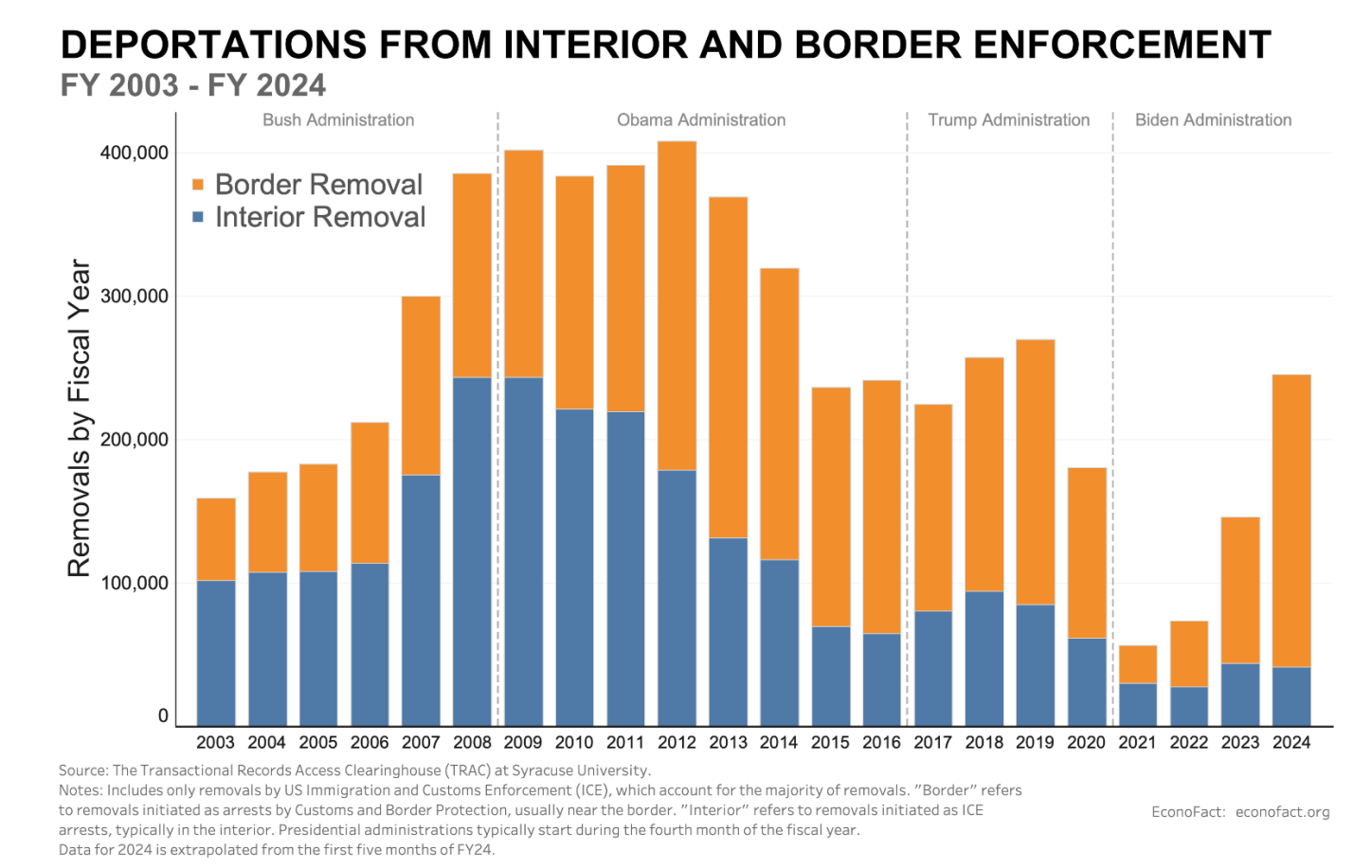
#7. Are Border Deportations Going to be Much Higher in 2025 Than 2013?
There was a moment of internet frenzy recently when President Trump and former President Obama were seen having what seemed like a cordial conversation at the funeral of Jimmy Carter. My guess is that Trump may have been seeking Obama’s advice on immigration and deportations.
The border crisis has been a significant factor in shaping the 2024 presidential election and local political discourse, and rightfully so. While the United States is a country built by immigrants, the lack of clear and enforceable border rules could lead to an overwhelming influx of people — potentially billions — seeking to enter.
Instead of allowing the issue to become the ultimate political football, let’s take a step back and examine the actual history of deportations. After realizing that the 2021-2022 open border policy was unsustainable, the Biden administration increased deportations to levels similar to those under Trump in 2019. However, these levels are still about 150,000 short of the deportation numbers seen during the Obama era. It’s important to remember that America has a long history of deportations — and if you are sophisticated enough to read this, it’s likely that your ethnic group has faced deportation in some form in the past.
For a deeper dive into the current border situation, the Wall Street Journal provided a thorough summary in this article: How the Democrats Bungled the Politics of Immigration
#8. Demographics are Destiny & Key to American Exceptionalism. How Do We Balance a Country of Immigrants vs an Open Border?
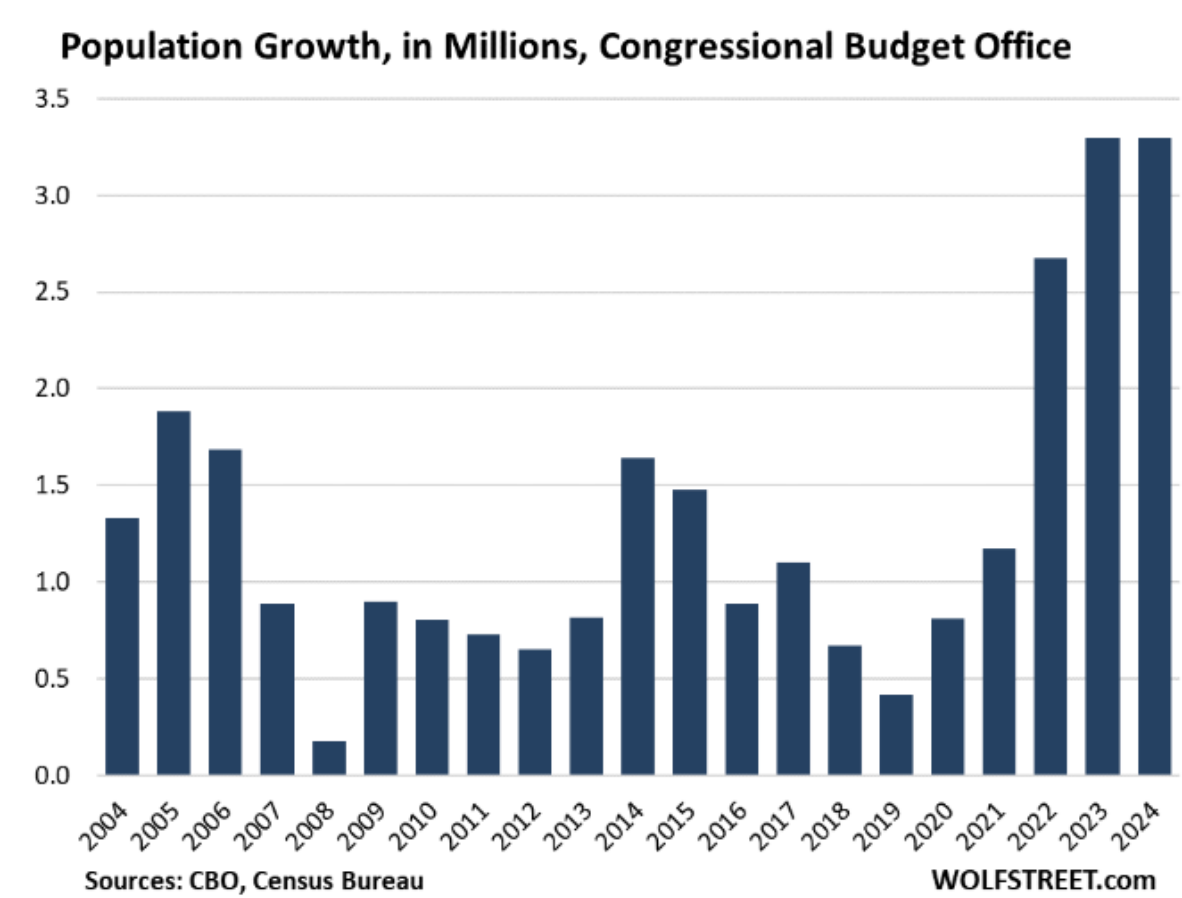
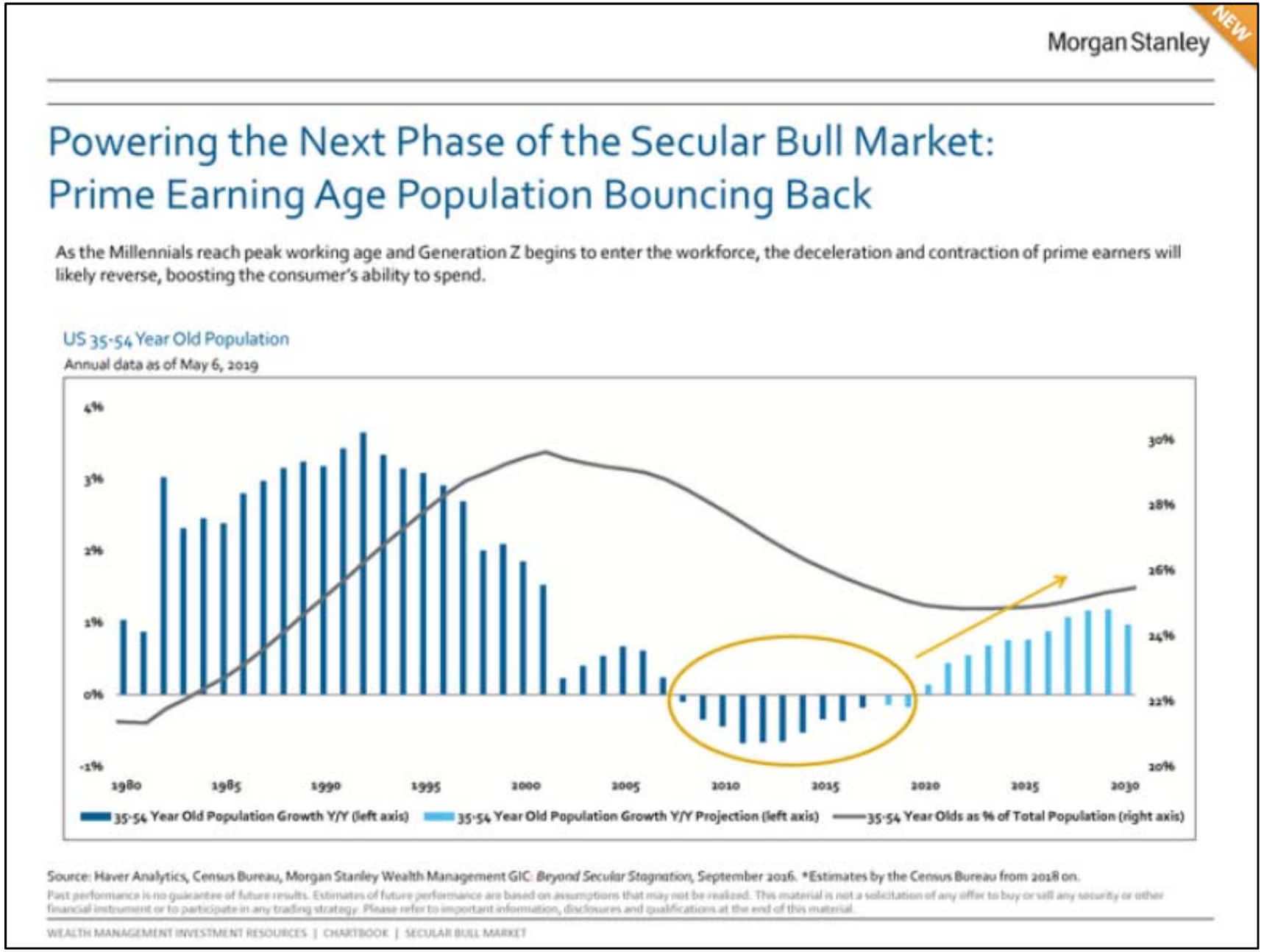
The reason American exceptionalism remains a reality is multi-faceted, but demographics play an undeniably critical role. Yes, demographics are destiny. In 2025, as China, Europe, and Russia all face negative population growth, the U.S. finds itself in a uniquely advantageous position. America is not an ethnic construct — it is an idea. And the reason that idea works, in part, is due to the dynamic ethnic rotation driven by immigration.
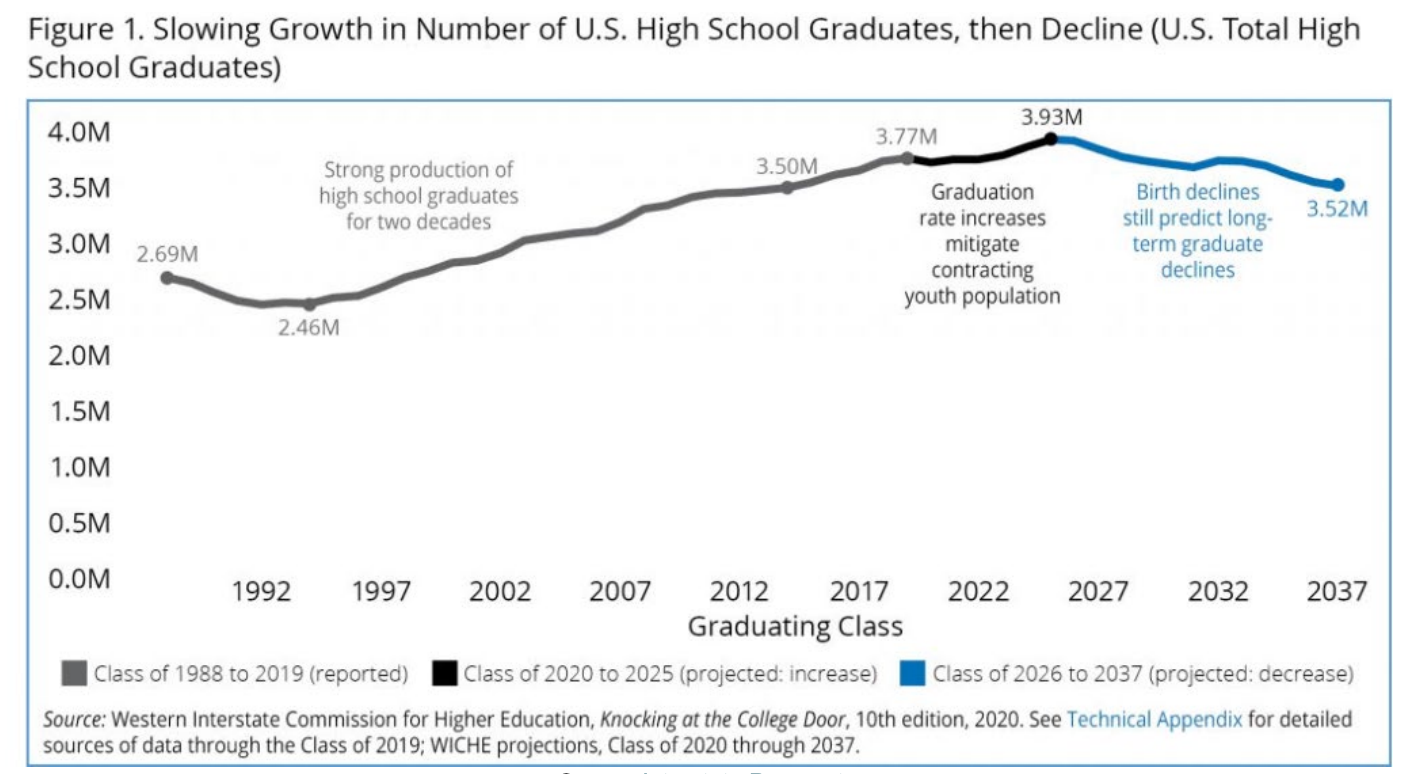
Even with the surge in immigration between 2022 and 2024, a concerning trend is emerging: the number of high school graduates in America is starting to decline. This demographic shift, combined with the fact that life expectancy is extending into the 90s, creates a significant challenge. A shrinking young workforce, paired with an increasing number of retirees, presents a math problem that many countries are already grappling with — and that we must avoid. Just look at Japan, China, and Europe for examples of what can happen when a country faces this imbalance.
The real question is: How will figures like Trump, Vivek, and Musk approach the challenges outlined in points #7 and #8 above? The debate over skilled foreign workers coming to the U.S. has already sparked a rift within Trump’s inner circle — and this issue will undoubtedly continue to evolve as we move forward.
#9. How Did Israel, with a Population Half the Size of New York State, Eliminate Hamas and Hezbollah in Less Than a Year, When It Took the U.S. 15 Years to Kill Bin Laden?
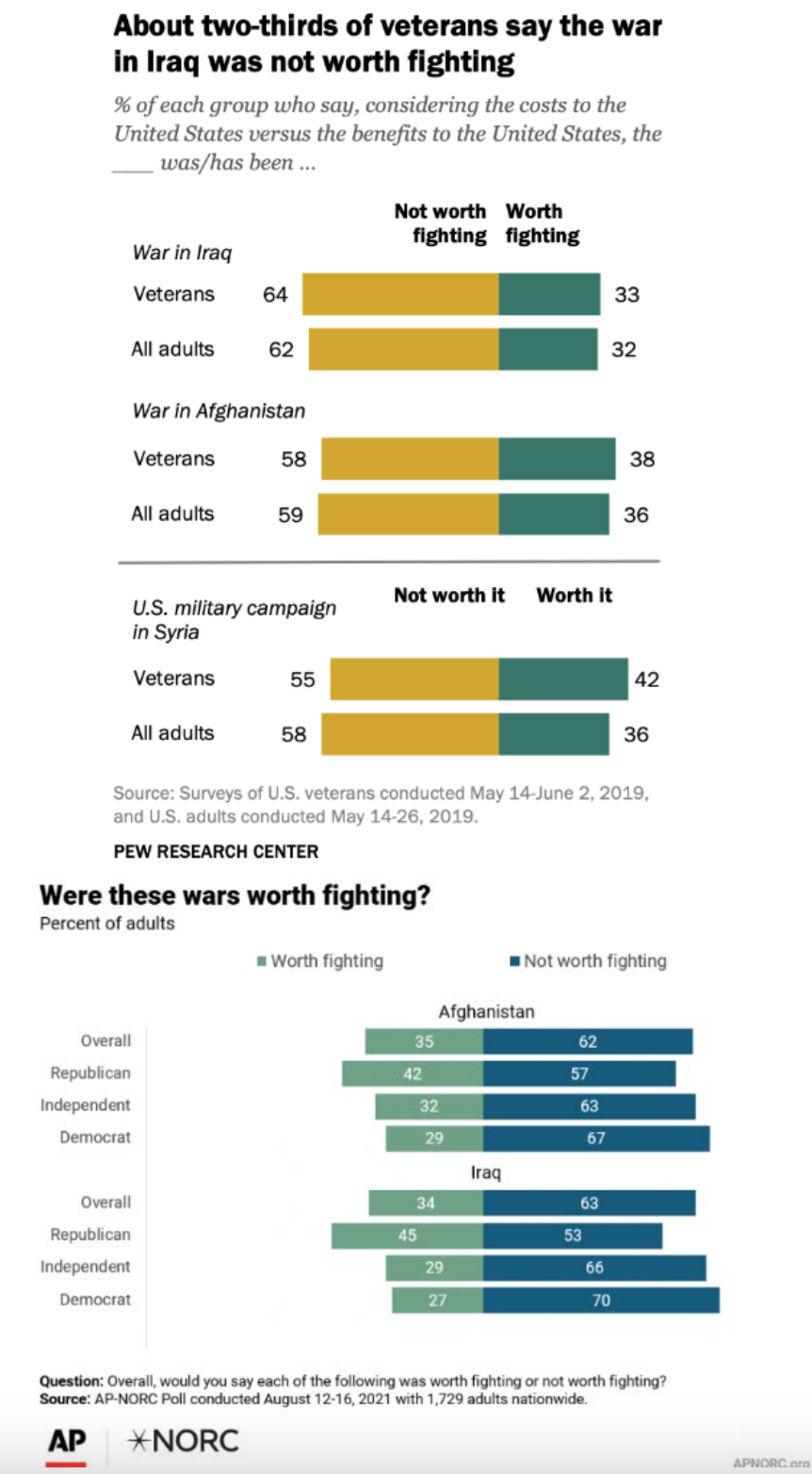
I want to emphasize that this is not political commentary — this is far beyond my area of expertise and well above my pay grade. However, it’s a question that I find myself pondering daily. Israel has succeeded in neutralizing Hamas and Hezbollah, contributed to the fall of the Assad regime in Syria, and, in doing so, weakened Iranian power in the region. Contrast that with the U.S., which spent over 20 years and anywhere from $2 trillion to $8 trillion (depending on the source) fighting wars in Iraq and Afghanistan.
For further context on the financial costs of the War on Terror, here’s a fascinating analysis from Perplexity AI on the subject:
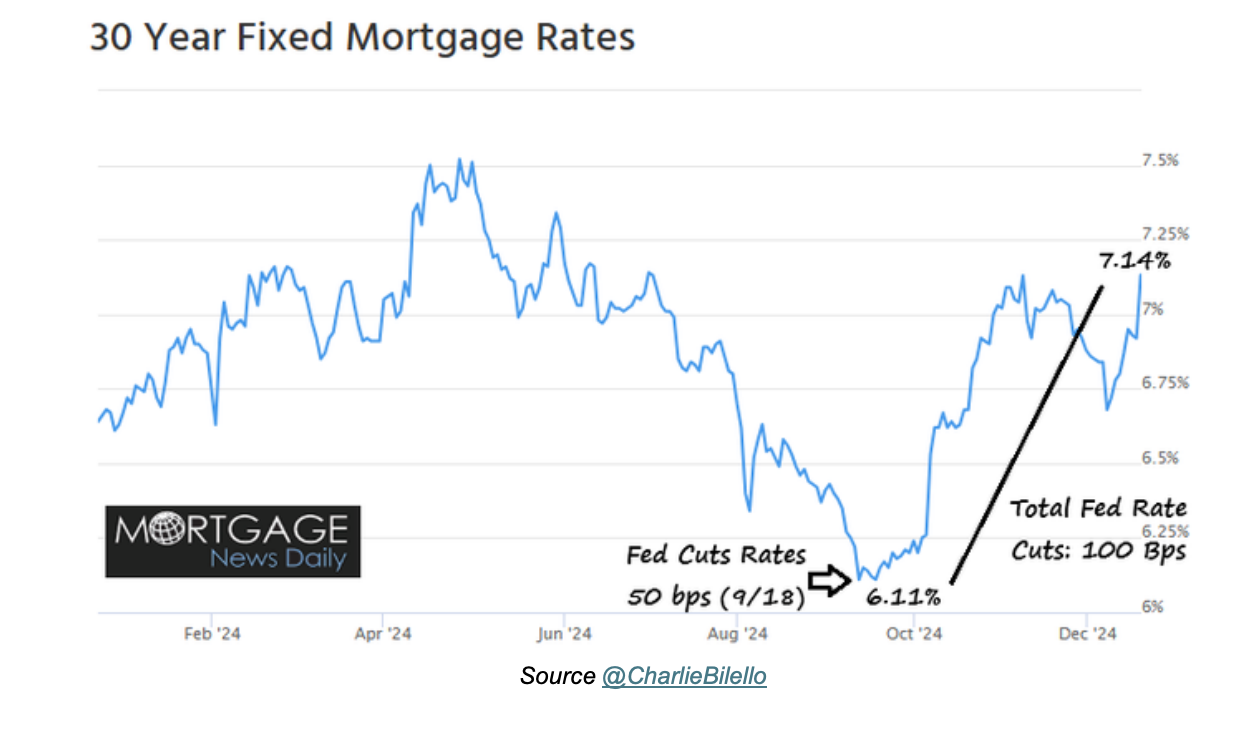
It’s important to remember that the bond market plays a critical role in setting mortgage rates, and the housing market is often considered the heartbeat of the American economy. Currently, mortgage rates have risen back to 7%, and first-time homebuyers now represent the lowest percentage of overall buyers in history.
Mortgage Rates MUST Go Down When the Fed Cuts Rates
Conclusion
My conclusion is there is no conclusion.
As we look ahead to 2025, I find myself with more questions than answers. The 10 questions I’ve posed throughout this letter are top of mind, but I don’t have definitive solutions. The truth is, the complexities of these topics — from the future of small-cap stocks and the bond market to geopolitical issues and demographic shifts — are multifaceted and will unfold over time.
What I do know is that these questions are top of mind as we move into the new year, and they are critical in shaping how we think about the economy, markets, and the future. As we navigate through the unpredictability of the coming years, it's important to stay curious, stay informed, and be open to adapting as answers start to emerge. The challenges are real, and while we may not have all the answers right now, being engaged and thoughtful about these issues is a step in the right direction.
In closing, I’ll echo what I’ve said before: I don't claim to have all the answers, but I’m excited to continue exploring these questions and watching how they evolve throughout 2025 and beyond. It will undoubtedly be an interesting year.
Cheers,
Matt Topley
Does Anybody Really Know What Time It Is?
Song by Chicago
Being pushed and shoved by people
Trying to beat the clock, oh, no
I just don't know, I don't, I don't, oh
And I said yes, I said
does anybody really know what time it is?
(Care) does anybody really care?
(About time) you know, I can't imagine why
(Oh no, no) we've all got time enough to die